
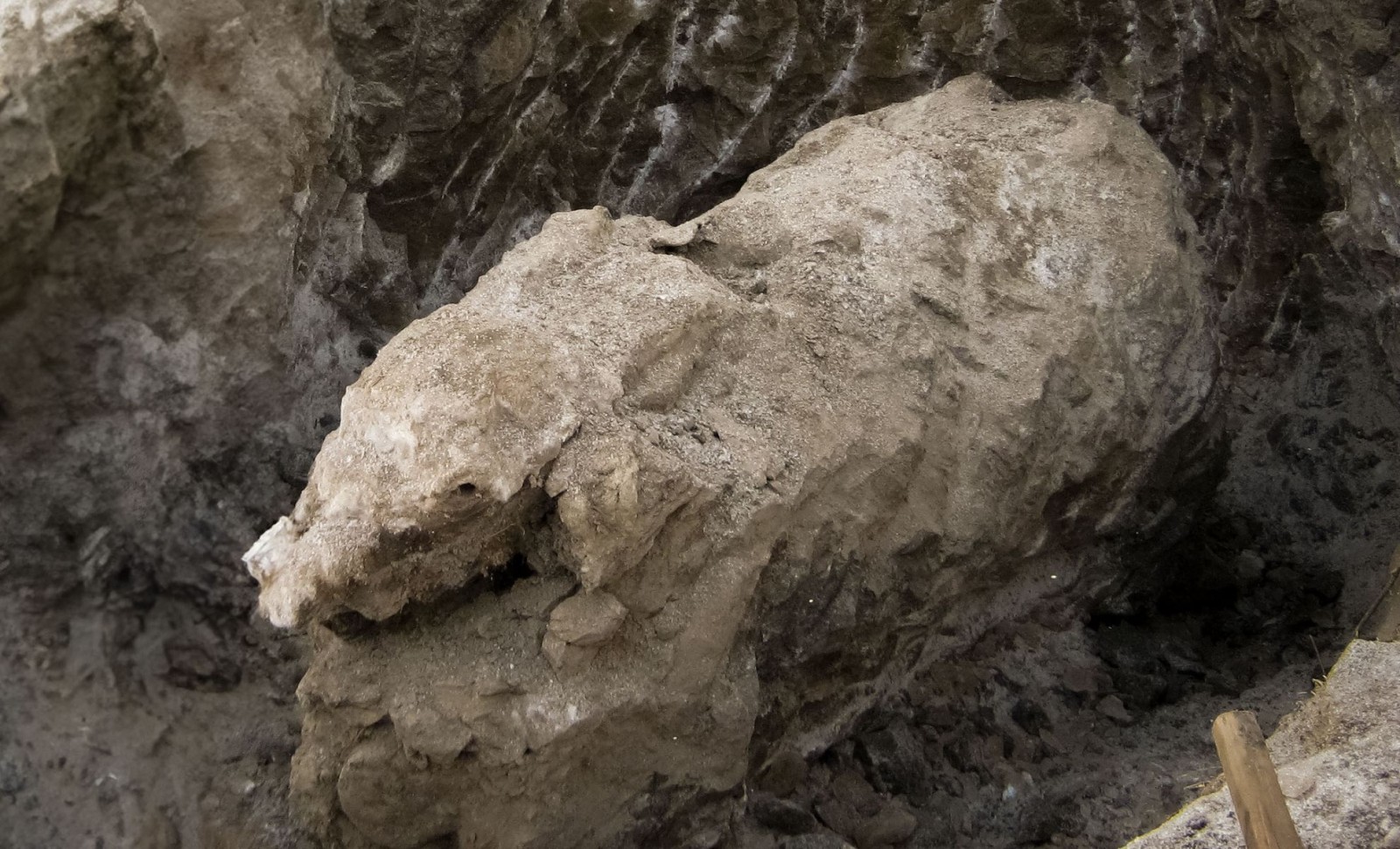
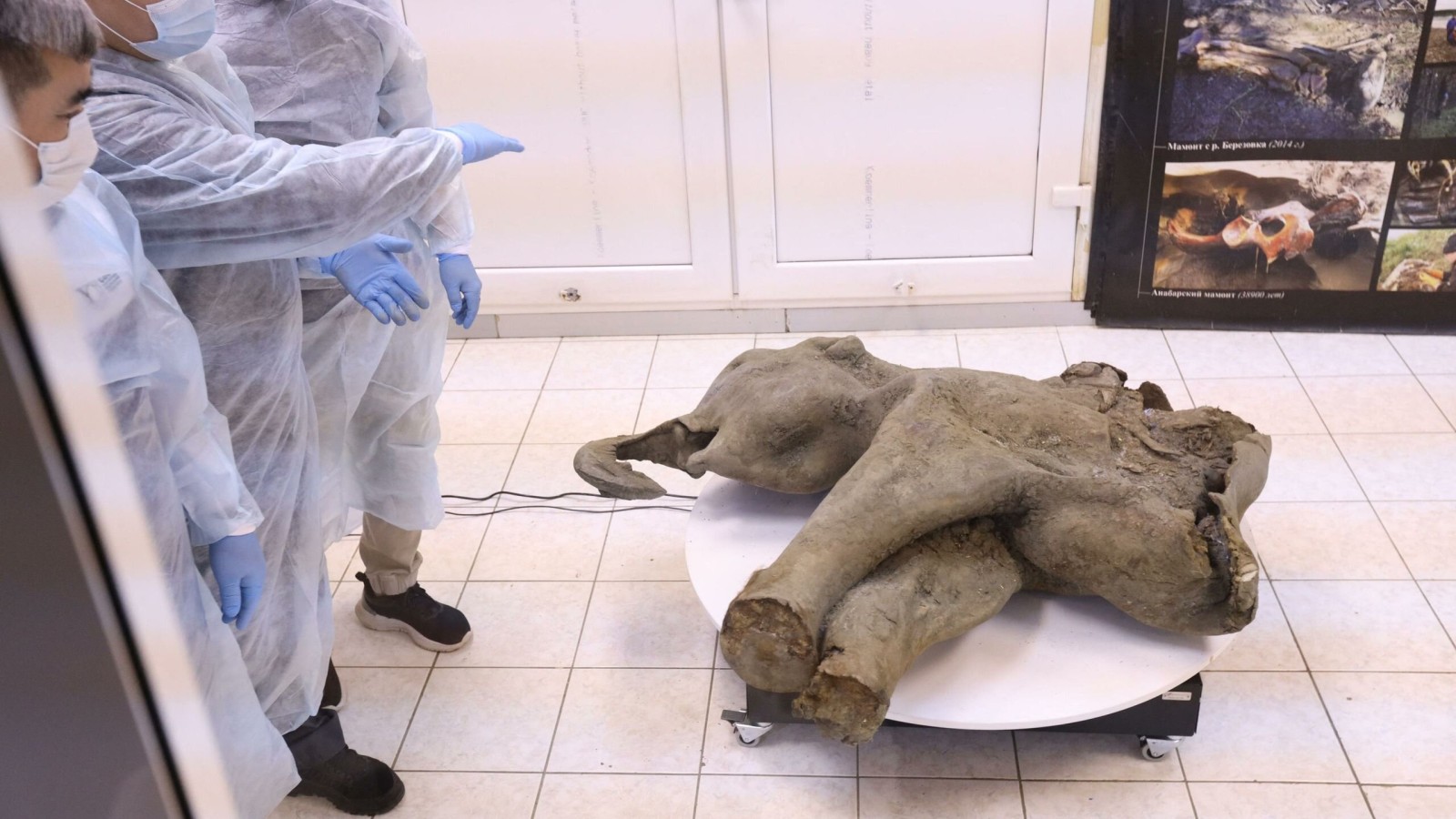
A remarkably well-preserved baby mammoth has been discovered in Siberia, its body remarkably intact after an estimated 50,000 years frozen in permafrost. Dubbed Yana, this juvenile mammoth calf is considered one of the most complete specimens ever recovered, originating from the depths of the Batagaika crater.
Standing just over a meter tall and weighing more than 100 kilograms, Yana was revealed from thawing permafrost in June. Local villagers spotted what appeared to be animal remains and intervened to secure the carcass before scientists arrived. This rare find has since attracted international scientific interest, largely due to the extraordinary state of preservation.
For paleontologists, this discovery offers an exceptional glimpse into an animal that roamed Earth during the Pleistocene epoch, long before civilization and recorded history. Thanks to the melting ice and fortunate timing, Yana has resurfaced after millennia underground.

An Unexpected Find in a Permafrost Crater
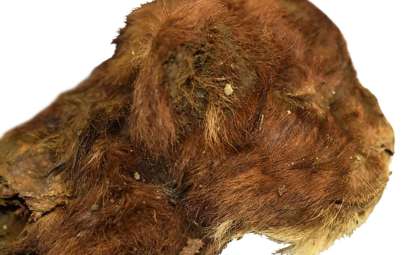
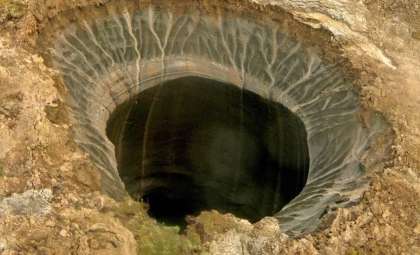
The calf was excavated from the Batagaika crater, a vast depression in Siberia's permafrost sometimes called the “gateway to the underworld.” This dramatic title is fitting, as the site continues to yield significant prehistoric discoveries. In recent years, scientists found a 44,000-year-old wolf nearby and the mummified remains of a saber-toothed cat exceeding 30,000 years in age, according to Archaeology News Online Magazine.
Local residents noticed the calf’s remains protruding from a thawing permafrost wall and promptly used whatever tools they had to recover it before researchers could arrive, which, though unorthodox, proved effective.
Once experts examined the specimen, enthusiasm surged. Maxim Cherpasov of the Lazarev Mammoth Museum Laboratory at North-Eastern Federal University (NEFU) described the discovery as “exceptional.” While some limb parts had been scavenged, presumably by other animals, the skull and face remained virtually undisturbed.
The Facial Preservation Holds Key Insights
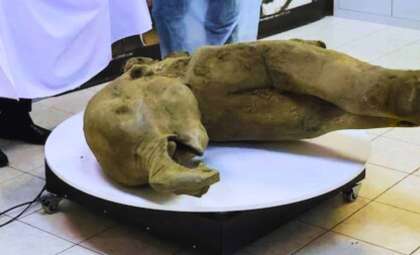
The most remarkable feature is undoubtedly the flawless condition of Yana’s face. The trunk, ears, skull, and even her mouth are astonishingly well-preserved, a rarity in such ancient specimens all remarkably intact.
“We were all surprised by the exceptional preservation of the mammoth,” rector Anatoly Nikolayev said.
Cherpasov emphasized that, despite some damage to the front limbs, the exceptionally pristine state of the head could provide crucial information about the mammoth’s lifestyle and potentially clues about its cause of death.
The permafrost acted as a natural deep freezer, preserving Yana’s remains for millennia. Being about a year old at death, this calf provides an unparalleled opportunity to study early mammoth development. The NEFU research team is currently conducting detailed analyses, examining bone structures and exploring the possibility of extracting DNA.
They are also employing radiocarbon dating to determine Yana’s precise age. Although complex and meticulous, these investigations could yield invaluable insights into mammoth biology and the ancient environment where Yana lived.
Siberia's Unfolding Prehistoric Archive
The Batagaika crater has long been known, but its archaeological importance is rapidly increasing. Accelerated permafrost thawing due to climate change is revealing more prehistoric remains like Yana’s, sometimes gradually and at other times suddenly.
Each discovery enriches understanding of life in the far north during the Ice Age. This vast crater, spanning about one kilometer in diameter, is constantly evolving, peeling back layers of ancient earth and ice to unveil relics from a lost world. One season might reveal a predator, the next a baby mammoth, leaving open the possibility of what future finds may emerge.
- Categories:
- Science




0 comments
Sign in to Comment