
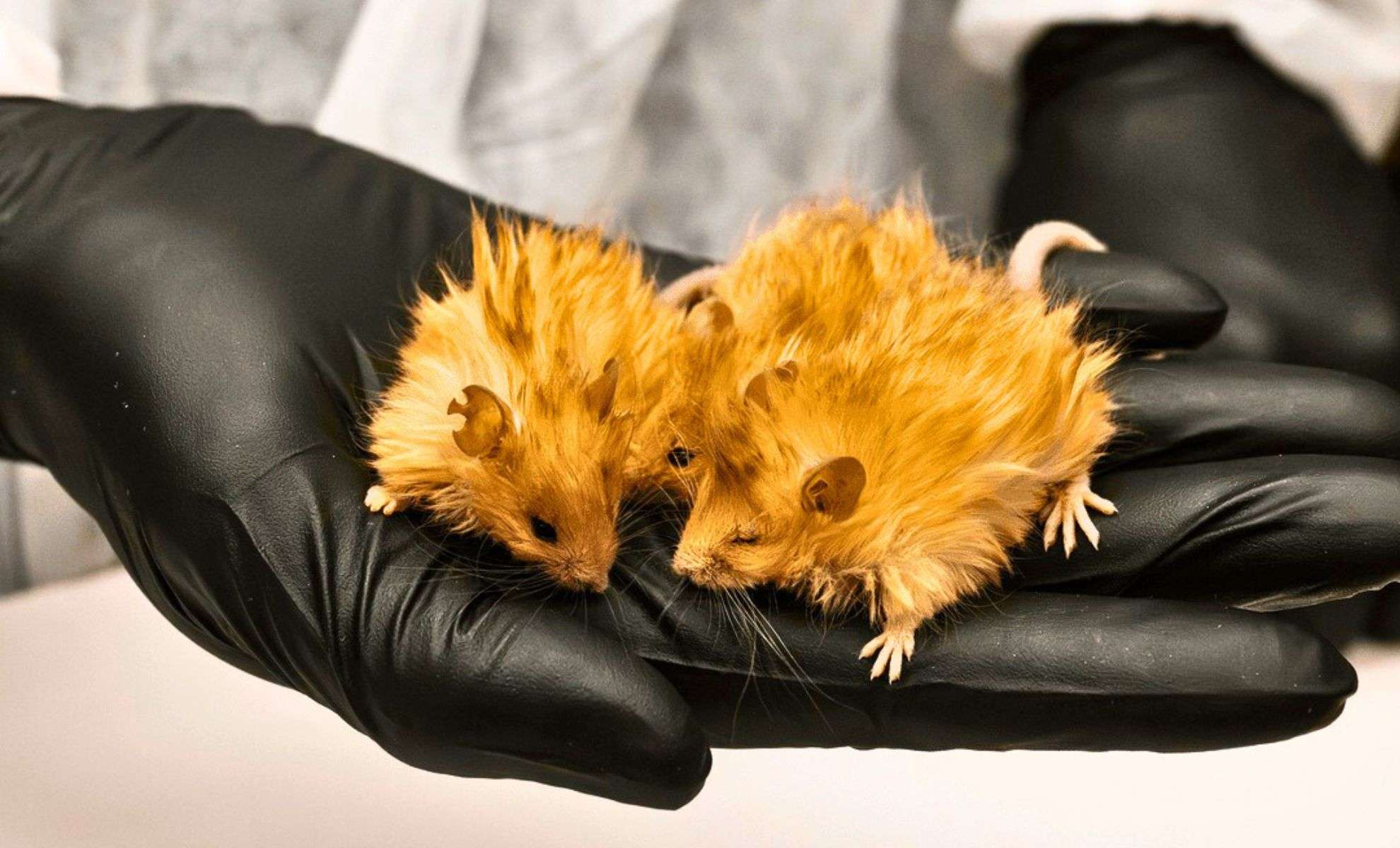
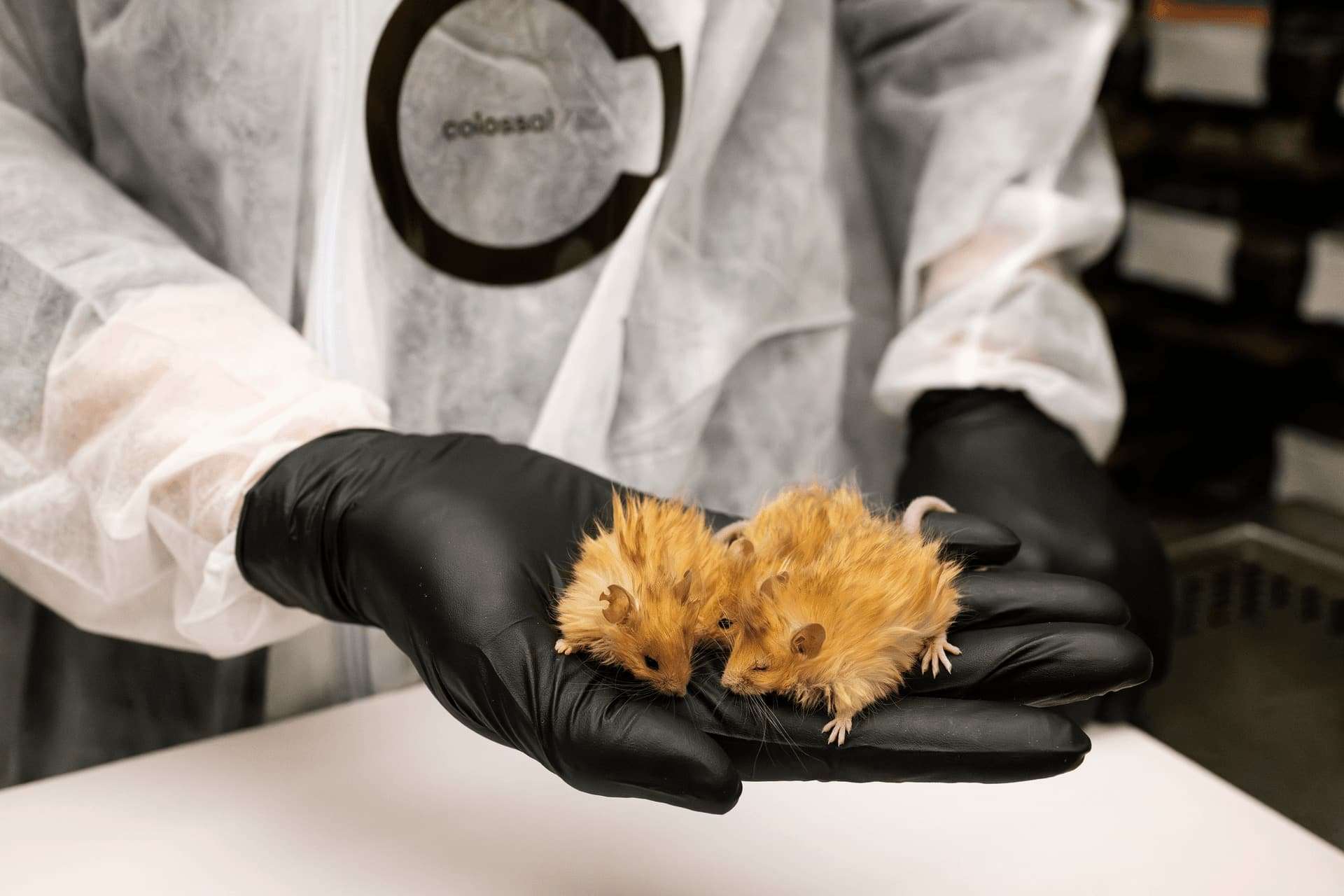
In a cutting-edge lab based in Dallas, Texas, the team at Colossal Biosciences has made a remarkable advancement in efforts to bring back the iconic woolly mammoth. Leveraging state-of-the-art gene editing tools, researchers have created mice exhibiting dense, woolly fur and specialized metabolic adaptations modeled after the extinct mammoth, refining techniques that might eventually lead to the species' revival by 2028.
A Unique Approach to Reviving a Prehistoric Giant
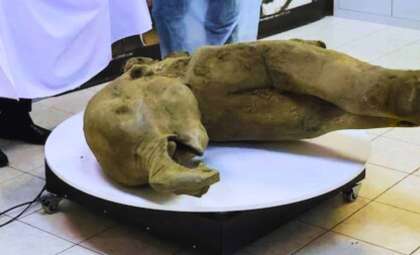
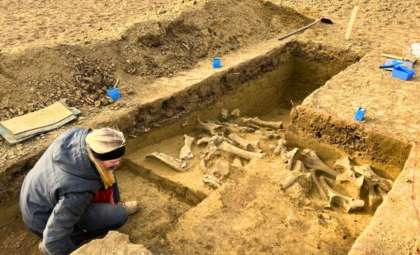
The woolly mammoth, a distant cousin of today’s elephants, disappeared approximately 4,000 years ago. Thanks to intact DNA preserved in Arctic permafrost, scientists have a detailed genetic record to guide de-extinction projects. Direct experiments with elephants come with ethical and logistical hurdles, so Colossal’s CEO, Ben Lamm, spearheaded research using mice, which reproduce rapidly and lend themselves well to precise CRISPR gene editing.
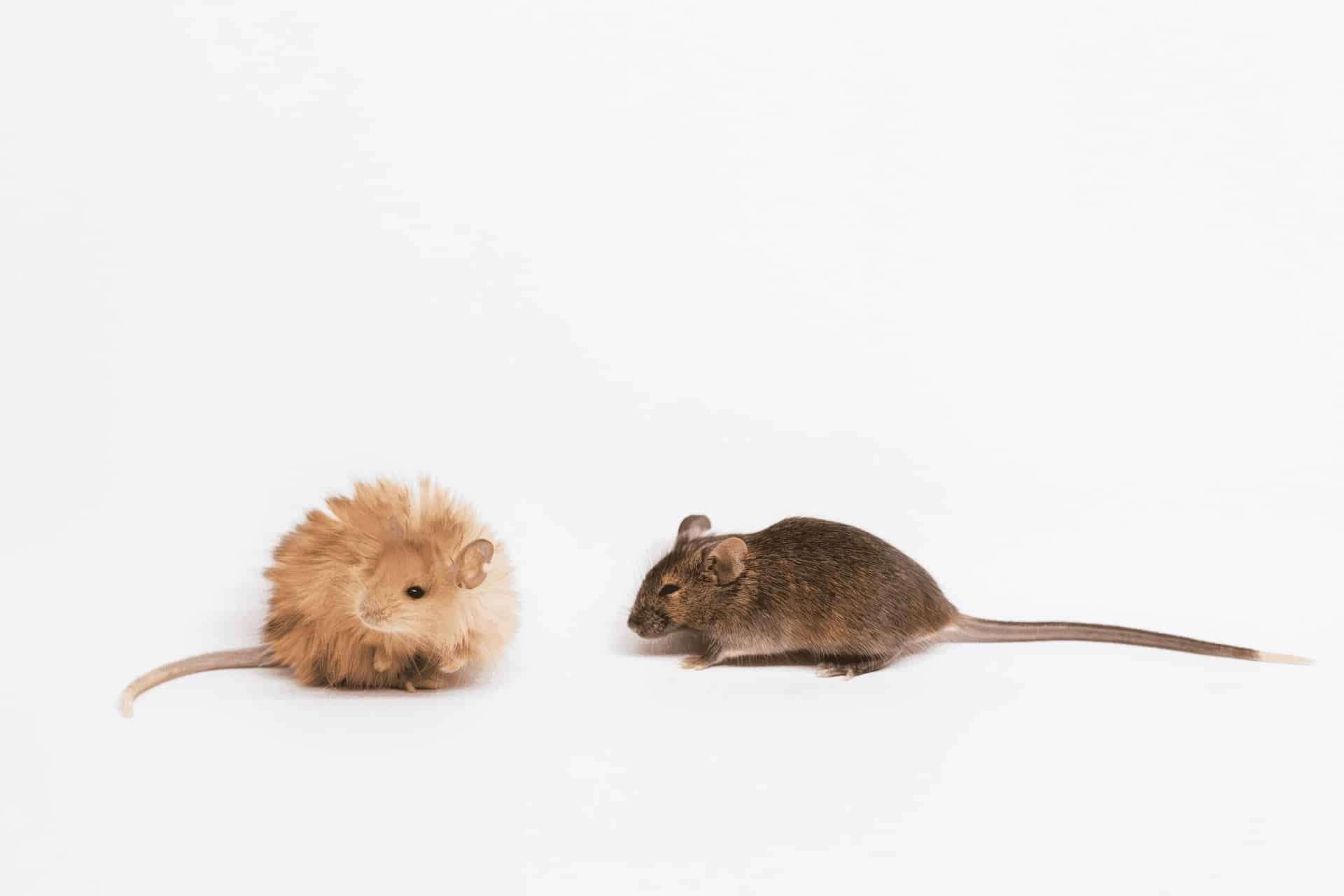
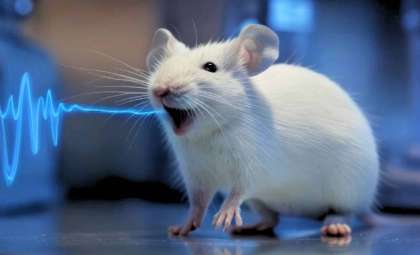
The focus was on seven genes crucial for the mammoth’s characteristic long, shaggy fur, influencing hair length, texture, and pigmentation. Additionally, a gene linked to heightened lipid metabolism was modified to mirror the cold-adaptive traits that helped mammoths thrive. The experiment yielded mouse pups covered in thick, golden fur reminiscent of their ancient inspiration.

The Challenges of Precision Gene Editing
This endeavor demanded persistent experimentation. Across five cycles, around 250 embryos were engineered, less than half of which developed into viable 200–300 cell stage embryos. These were transferred to surrogate mothers, culminating in 38 offspring that successfully expressed the woolly mammoth’s distinctive genetic traits.
“The Colossal woolly mouse represents a pivotal breakthrough in our de-extinction journey,” stated Mr. Lamm. “By integrating multiple cold-adaptive genes from mammoth ancestry into a living organism, we’ve demonstrated our capacity to reconstruct intricate genetic traits forged by nature over millions of years.”
Although promising, the woolly mice serve primarily as a proof of principle. Restoring the mammoth will involve editing numerous additional genes tied to vascular function, fat storage, and cold environment adaptations. These must first be analyzed and validated in mice before progressing to manipulations involving elephant embryos.
Environmental Restoration Through Species Revival
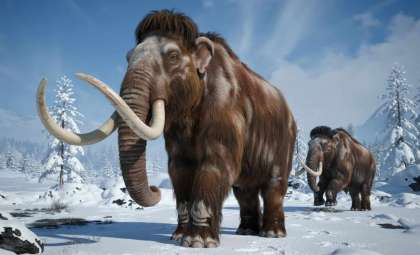
Beyond scientific achievement, Colossal Biosciences envisions this work as a strategy for ecosystem rehabilitation. Reintroducing mammoths could play a part in preserving Arctic permafrost, vital for controlling global climate dynamics. These large herbivores might reshape tundra ecosystems, slowing carbon emissions and alleviating climate change impacts.
In addition to mammoths, the company intends to pursue similar de-extinction undertakings with the dodo and the Tasmanian tiger or thylacine. Each project comes with its unique scientific and ethical complexities, but collectively they aim to restore diverse elements of lost biodiversity.
Advancing Conservation with Genetic Innovation
Beth Shapiro, Colossal’s chief science officer, highlighted the broader significance of these genetic techniques. “We don’t view gene editing as a replacement for traditional conservation, but as a complementary tool,” she explained. This approach might strengthen efforts to safeguard endangered species by enhancing their resilience to environmental changes.
While the woolly mice demonstrate the potential of sophisticated genomic engineering, achieving a living mammoth remains a formidable challenge. The project must balance high scientific precision with ethical concerns surrounding species resurrection. Nevertheless, the work has established a viable pathway from gene editing to viable animals—an unprecedented milestone in biotechnology.
Future research will need to address the complexities of applying these methods to elephants, which have longer gestation and care requirements. For now, the woolly mouse stands as a testament to what modern genetics can accomplish with ancient DNA.
- Categories:
- Science






0 comments
Sign in to Comment