
A recent genomic investigation has uncovered new genetic variation within ancient mammoth populations. By examining DNA fragments dating back as far as 1.3 million years, scientists have gained fresh insight into how long-term demographic changes influenced the genetic makeup of these legendary Ice Age creatures.
Tracing Mammoth Lineages Through a Million Years
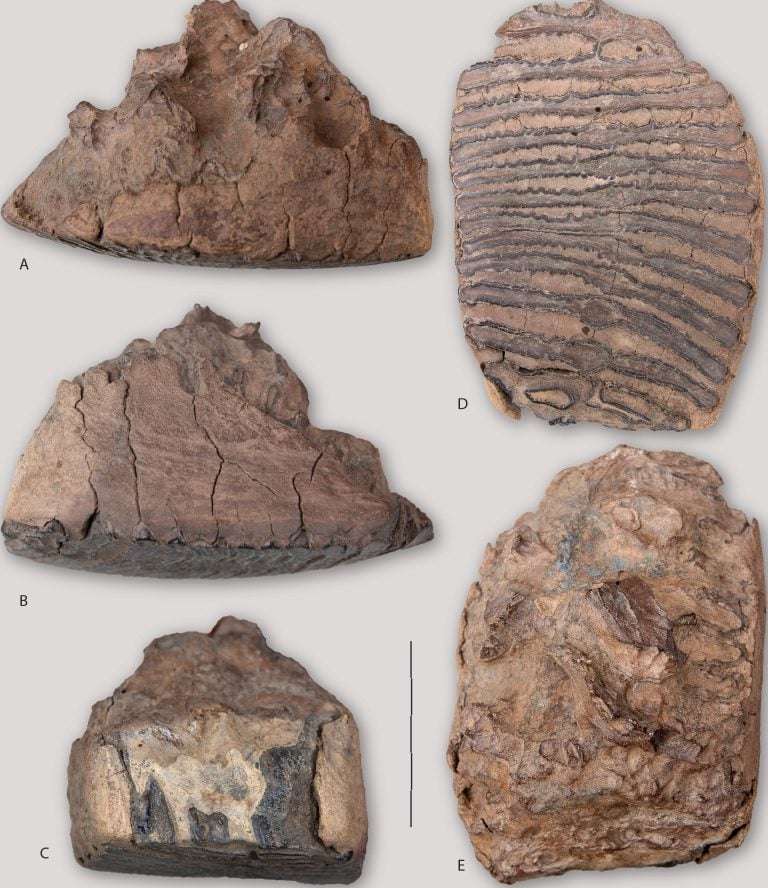
Researchers managed to sequence 34 additional mitochondrial genomes (mitogenomes) from mammoth remains, including 11 samples from the Early and Middle Pleistocene eras.
The new specimens cover a timeline ranging from 1.3 million to 125,000 years ago, significantly extending the known ancient DNA record past the conventional 100,000-year limit for preservation.

“This dataset offers an exceptional window into how monumental demographic shifts from deep time influenced mammoth genetic diversity,” explained Dr. J. Camilo Chacón-Duque of Stockholm University and the Centre for Palaeogenetics.
Previously, limited availability of ancient genetic material restricted studies of biodiversity over the past 2.5 million years.
Siberia: The Cradle of Mammoth Diversity
By integrating these 34 new mitogenomes with over 200 existing sequences, the team confirmed a deep Siberian origin for main mammoth lineages.
The timing of diversification events closely matched changes in population size documented throughout the Early and Middle Pleistocene.
“Although mitogenome sequencing has decreased in popularity due to falling sequencing costs, our study demonstrates its vital role for evolutionary research given its abundance relative to nuclear DNA,” noted Dr. Jessica A. Thomas Thorpe from the Wellcome Sanger Genome Institute and co-lead author.
Population expansions and contractions within genetic groups paralleled dramatic Ice Age climate fluctuations and habitat changes.
Advancing Techniques in Ancient DNA Analysis
The researchers enhanced ancient DNA methodologies by creating a refined molecular clock dating system, enabling more precise age estimates for samples beyond the reach of radiocarbon methods.
“I’m thrilled we now possess genetic information from a much wider range of mammoth fossils spanning a million years, which illuminates how mammoth diversity evolved over time,” said Professor Love Dalén from Stockholm University and the Centre for Paleogenetics.
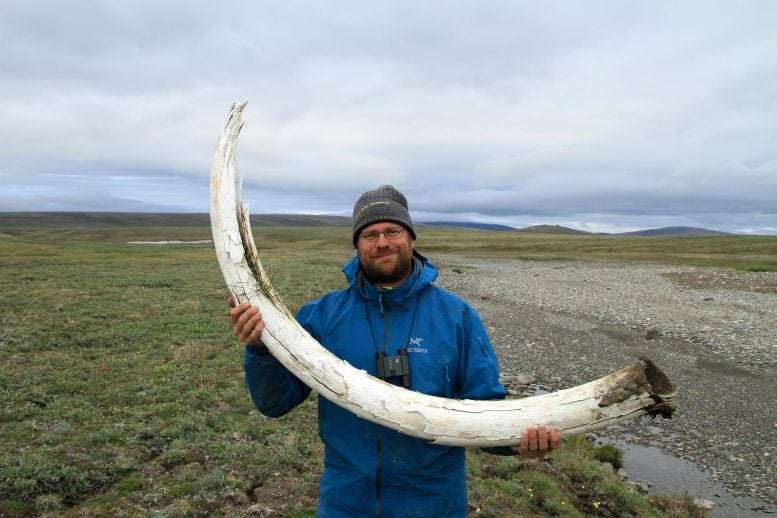
Among the notable findings was the discovery of the oldest mammoth DNA in North America, originating from an individual unearthed at the Old Crow River in Yukon Territory, dating back over 200,000 years.
Implications for Conservation and Evolutionary Research
By confirming that DNA can be recovered from specimens older than a million years, this research paves the way for studying genetics of other extinct or threatened species.
The findings indicate that deep-time genetic analyses can reveal how animals adapted to environmental transformations in the past, offering valuable lessons for present-day conservation efforts.
This study also supports previous research (including van der Valk et al., 2021) showing significant genetic differences in mammoths living a million years ago compared with their more recent progeny.
- Categories:
- Science


0 comments
Sign in to Comment