
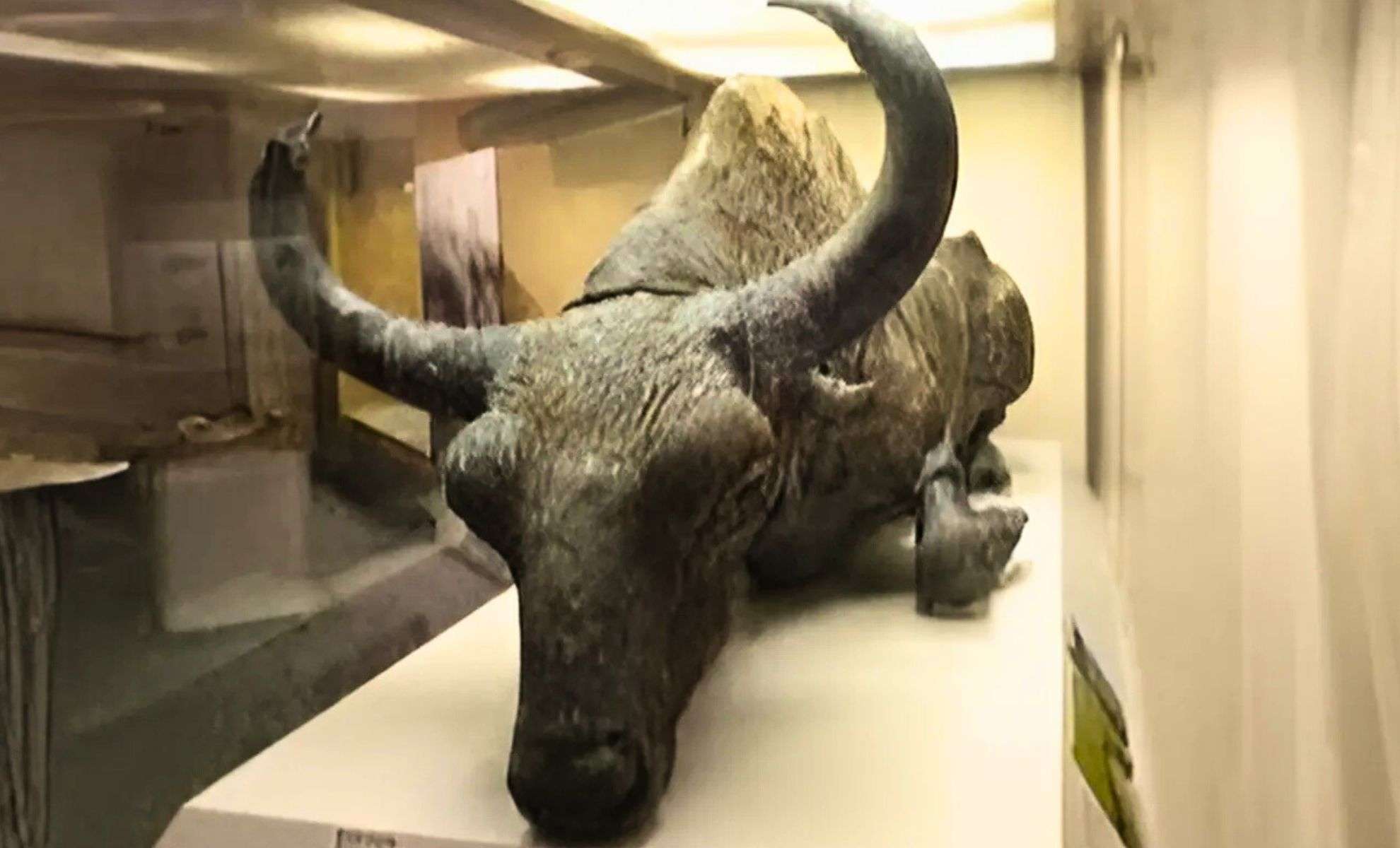
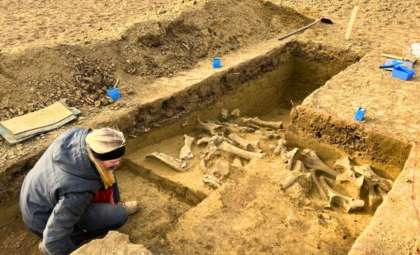
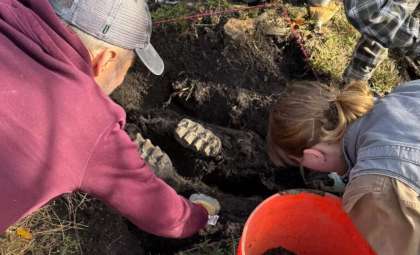
During the late winter of 1979, gold miners near Fairbanks, Alaska uncovered a remarkable discovery beneath the frozen ground: the mummified remains of a steppe bison (Bison priscus) exquisitely preserved in permafrost. From the skin and muscle tissue to remnants of bone marrow, this Ice Age find was unprecedented in its level of preservation.
The specimen, affectionately named Blue Babe due to a bluish mineral coating from vivianite on its hide, was first estimated at roughly 36,000 years old. However, refined radiocarbon testing by the Center for Applied Isotope Studies at the University of Georgia later adjusted its age to between 50,000 and 55,000 years.
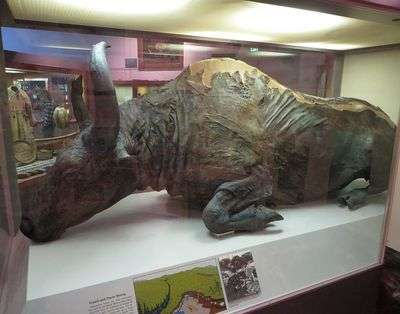
As verified by the University of Alaska Museum of the North, which safeguards Blue Babe, it stands as the sole intact mounted Pleistocene bison ever retrieved from permafrost globally. Interestingly, several years post-discovery, a scientist undertook a curious step: preparing and sampling the ancient meat.

Scientific Curiosity Leads to a Historic Meal
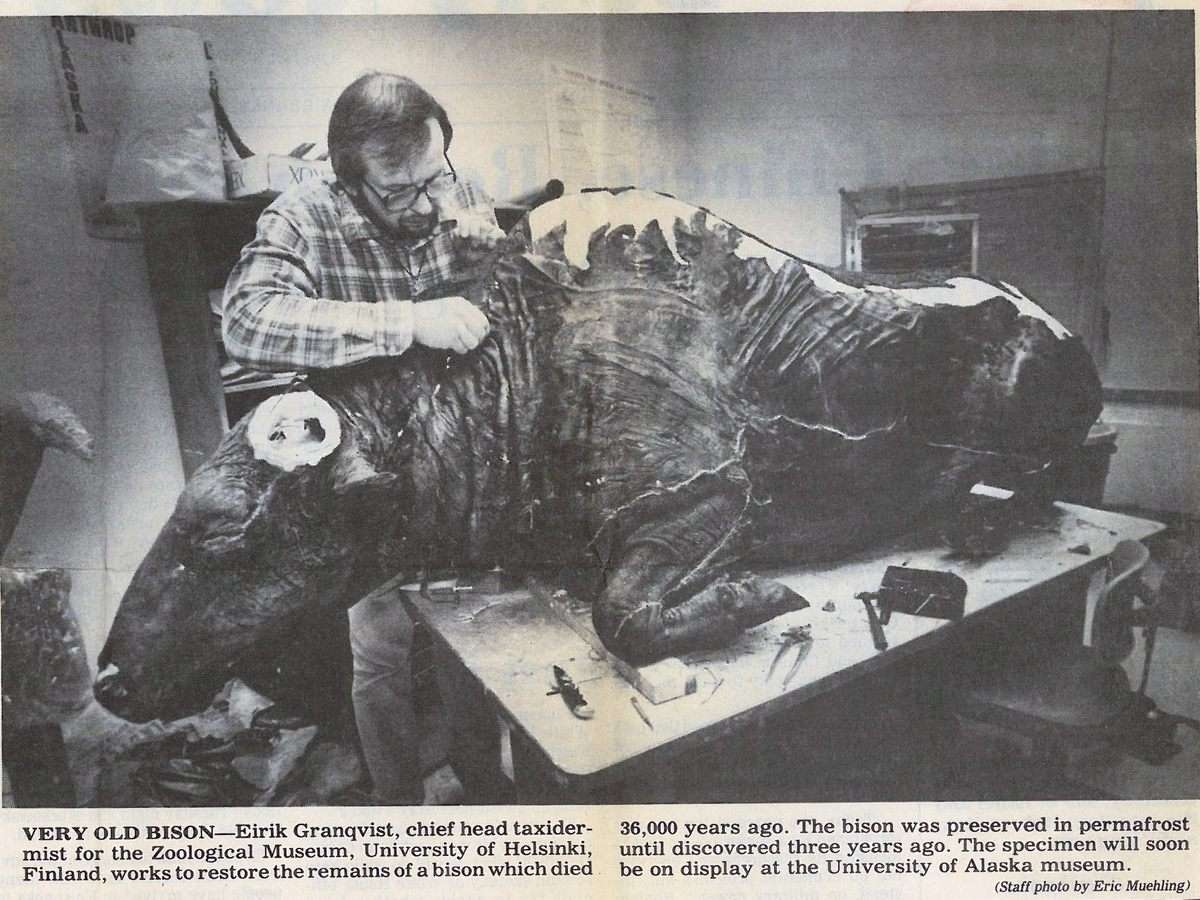
The initiative was led by Dale Guthrie, the paleontologist heading the excavation at the University of Alaska Fairbanks. After Finnish taxidermist Eirik Granqvist finalized the restoration in 1984, Guthrie hosted a unique event—a dinner featuring stew made from a cut of Blue Babe’s neck.
This stew, crafted with onions, garlic, potatoes, and carrots, was shared among colleagues including Finnish paleontologist Björn Kurtén. Guthrie later recounted in an article referenced by IFLScience that the meat was somewhat tough, but smelled like beef enriched with an earthy, mushroom-like scent, reflecting the animal’s survival through multiple Ice Ages.
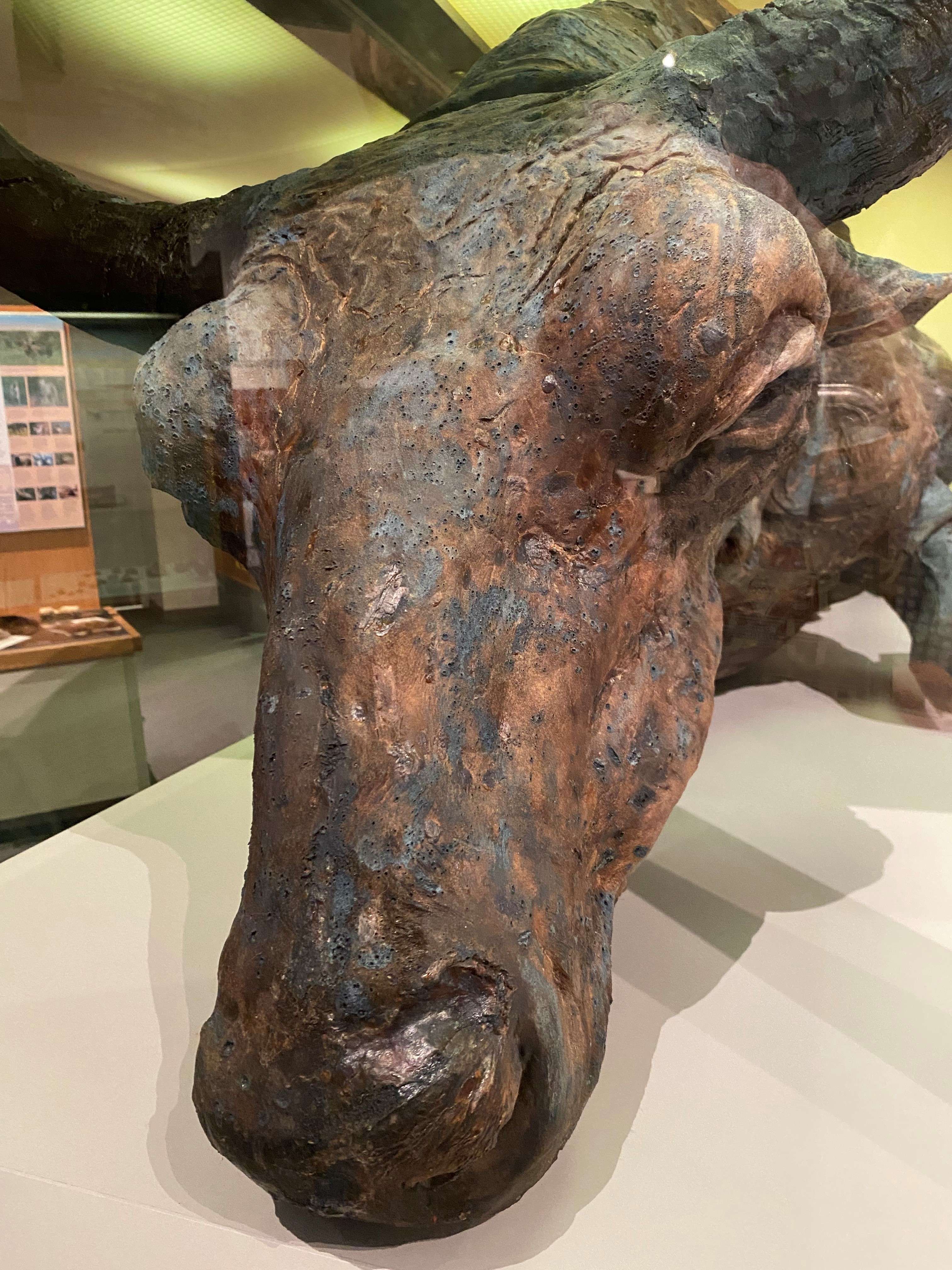
Guthrie explained to Atlas Obscura that since neck steak wasn’t the most ideal cut, they balanced the flavor with abundant vegetables and spices. The outcome was surprisingly pleasant, with no one falling ill and some even praising the taste.
A Creature Preserved by Collapse and Cold
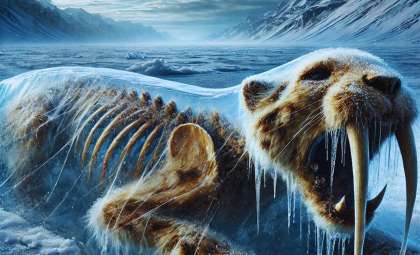
Blue Babe’s remarkable preservation stems from a combination of timing and environmental conditions. The University of Alaska Museum of the North researchers believe the bison died in autumn or early winter after an attack by an American lion, an extinct relative of today’s big cats. Hunt marks, including claw scratches and tooth punctures, remain visible on its neck.
Because the ground was already freezing, the carcass was rapidly frozen, preventing decay and scavenger activity. It then stayed encased in permafrost for tens of thousands of years until miners uncovered it.
The cold, dry conditions resulted in tissue resembling beef jerky in texture. A 2022 NPR feature pointed out that while internal organs had long decomposed, the rapidly frozen outer muscles, particularly the neck, remained well-preserved.
Understanding the Significance of Sampling Ancient Meat
Tasting Blue Babe might strike some as odd or unsafe by contemporary standards, but Guthrie described the act as "an expression of connection." Eating a morsel from 50,000 years ago offered a profound physical link bridging ancient life and modern research.
His wife, Mary Lee, reflected in the NPR article that the meal symbolized curiosity, tradition, and collective memory—a tribute to humanity’s journey on Earth.
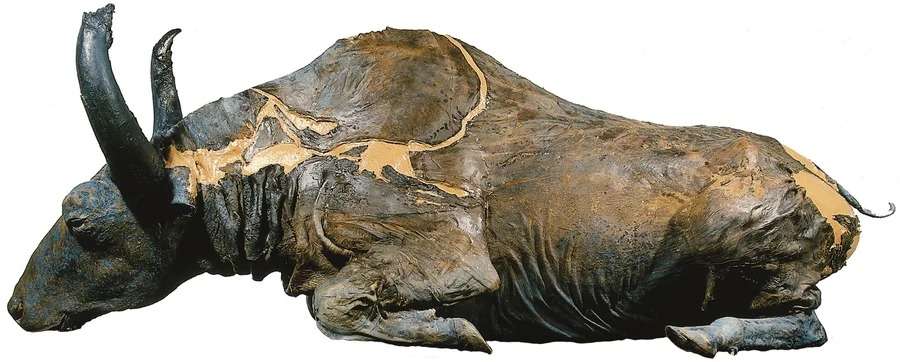
Though other scientists, particularly in Russia, have reportedly sampled ancient mammoth meat under less documented scenarios, the Blue Babe feast remains one of the most comprehensively chronicled instances of edible paleontology. Thanks to advances such as accelerator mass spectrometry, modern radiocarbon dating, and diligent museum preservation, Blue Babe continues to shed light on Ice Age fauna, predator-prey interactions, and the science of long-term biological preservation.


0 comments
Sign in to Comment