
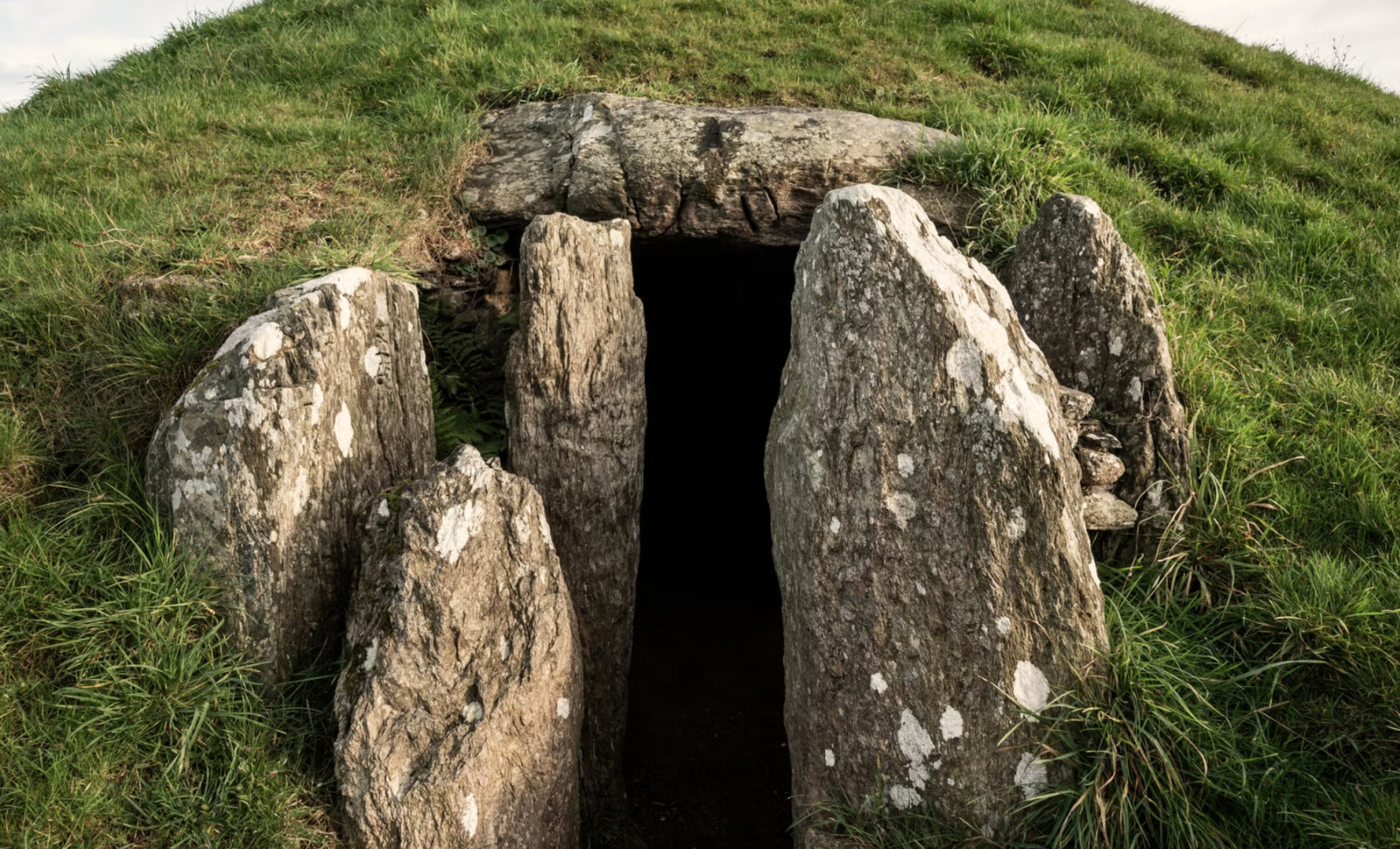
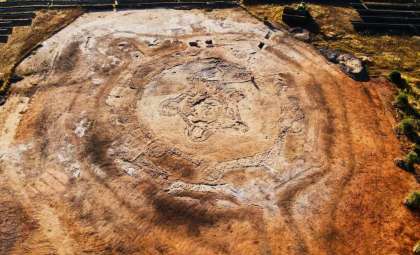
Archaeologists in southern Spain have revealed a remarkable 5,000-year-old megalithic tomb near Teba, Malaga, notable not only for its antiquity but also for its rich contents. The site, known as Dolmen I of the La Lentejuela necropolis, is a lengthy stone structure filled with multiple prehistoric burials alongside valuable artifacts such as ivory, amber, flint tools, seashells, and a halberd. This discovery ranks among the most significant recent archaeological findings in Spain.
Stretching about 13 meters (43 feet), the dolmen stands out as one of the largest megalithic tombs in Andalusia. Experts from the University of Cádiz highlight its exceptional state of preservation, offering a unique perspective on how ancient Iberian societies constructed monumental burial sites, commemorated their dead, and indicated social status through rare and exotic items. This trio—scale, condition, and grave goods—makes the tomb a standout prehistoric archaeological site.
An Impressive Prehistoric Monument Designed to Command Attention
Excavations conducted over four seasons at La Lentejuela, near Teba, have unveiled this imposing funerary structure. The University of Cádiz describes the dolmen as one of Andalusia’s most elaborate and well-maintained prehistoric tombs, characterized by a complex internal design. The project was led by Eduardo Vijande and Serafín Becerra, members of the university’s Thalassa research group.

Its architectural features reveal why this ancient stone tomb stood out. Live Science reports that the main chamber’s walls were built with upright stone slabs nearly 2 meters tall. Vijande explained, “The entire dolmen was also topped with large horizontal stone slabs, covered by a mound of sand and smaller stones.” This shows the tomb was both a burial site and a visible landmark meant to assert presence in the landscape.
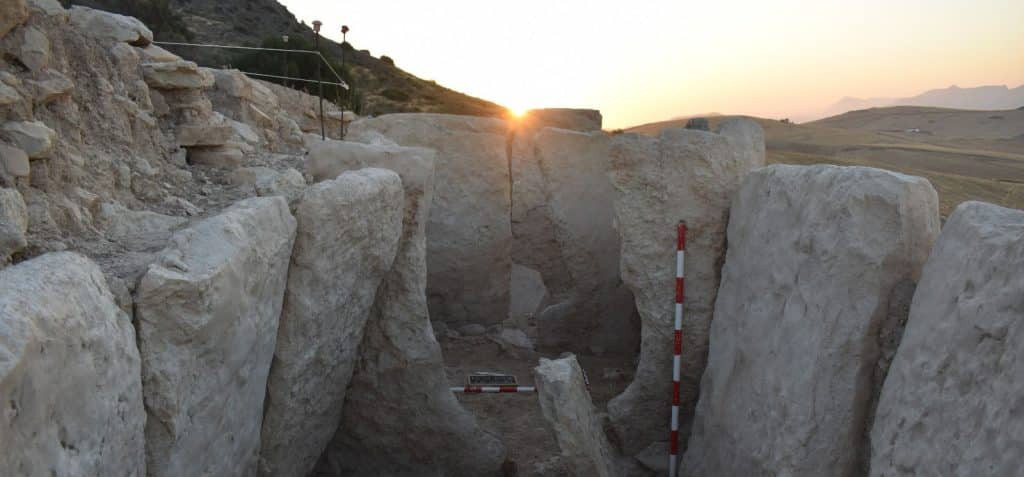
The complex layout and construction of the site indicate a significant degree of community organization, labor, and planning. This was no spontaneous grave; it was a grand megalithic project that can illuminate how third-millennium BCE communities in southern Iberia managed rituals, collective memory, and territorial claims. According to Live Science, dolmens likely served multiple functions including tombs, ceremonial spaces, or markers of territorial control within early agricultural societies.
A Tomb of Many Bodies and Generations
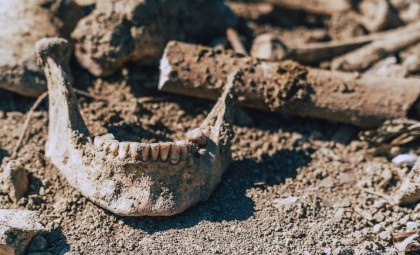
Among the most notable elements of this discovery is the repeated use of the tomb over time. Archaeologists found several ossuaries inside, suggesting it was a communal burial place for numerous individuals rather than a single elite resting place. This pattern fits with broader prehistoric burial customs where megalithic tombs were revisited repeatedly.
This long-term use shifts interpretation beyond a single important burial, highlighting the tomb’s lasting social significance. The dead were interred alongside carefully chosen objects across generations. The University of Cádiz emphasizes that the site sheds light on funerary rites and trade networks in southern Iberia during the third millennium BCE.
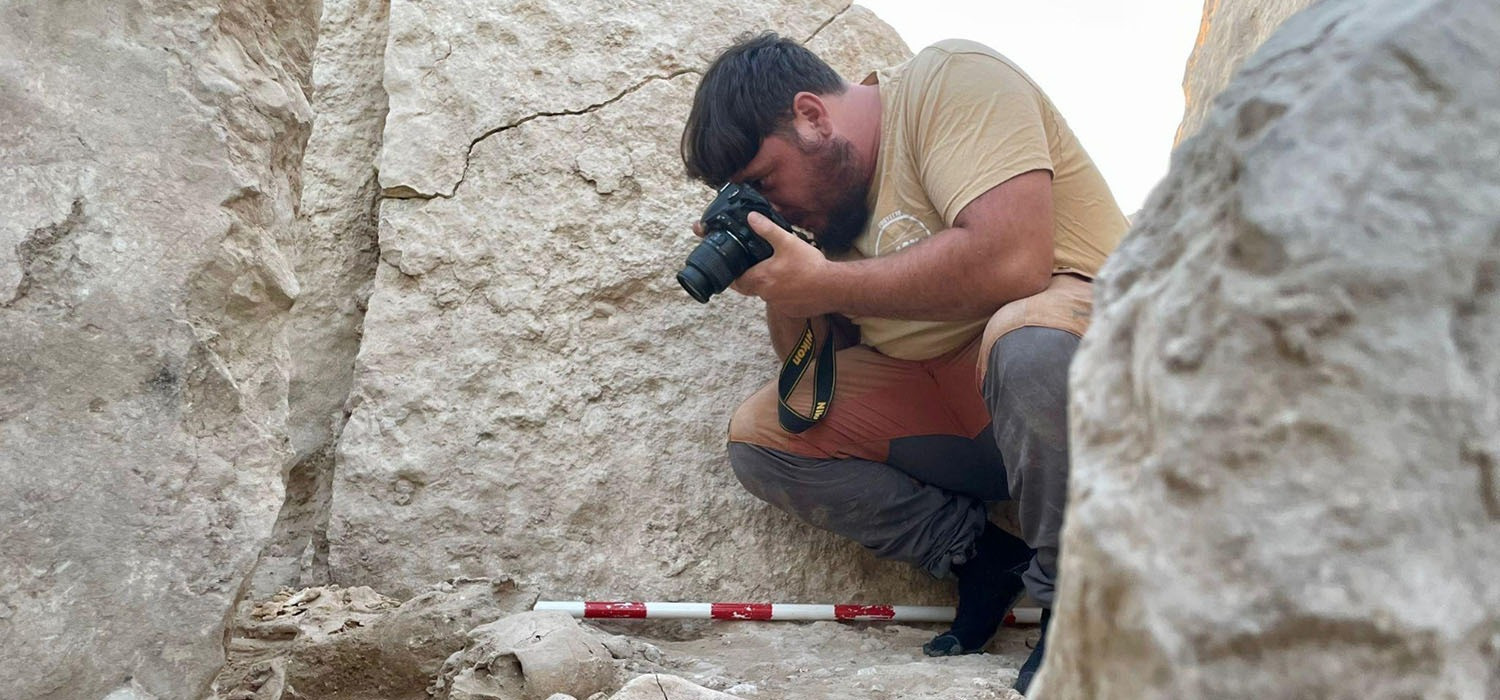
This dolmen’s exceptional preservation allows researchers to study its architectural layout in detail—something rare in prehistoric sites where only fragmentary remains persist. This offers a valuable opportunity to understand how burial spaces, ritual practices, and social identity intersected in this ancient region.
Exotic Grave Goods Reveal Status and Exchange Networks
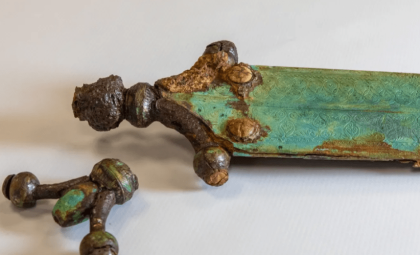
The richness of the grave goods is a major reason for the widespread interest in this ancient tomb. The University of Cádiz reports the presence of high-status items fashioned from ivory, amber, flint, and marine shells. The finds also included arrowheads, large flint blades, and an extraordinary halberd. Live Science mentions similar artifacts, including seashells, ivory pieces, arrowheads, and the halberd.
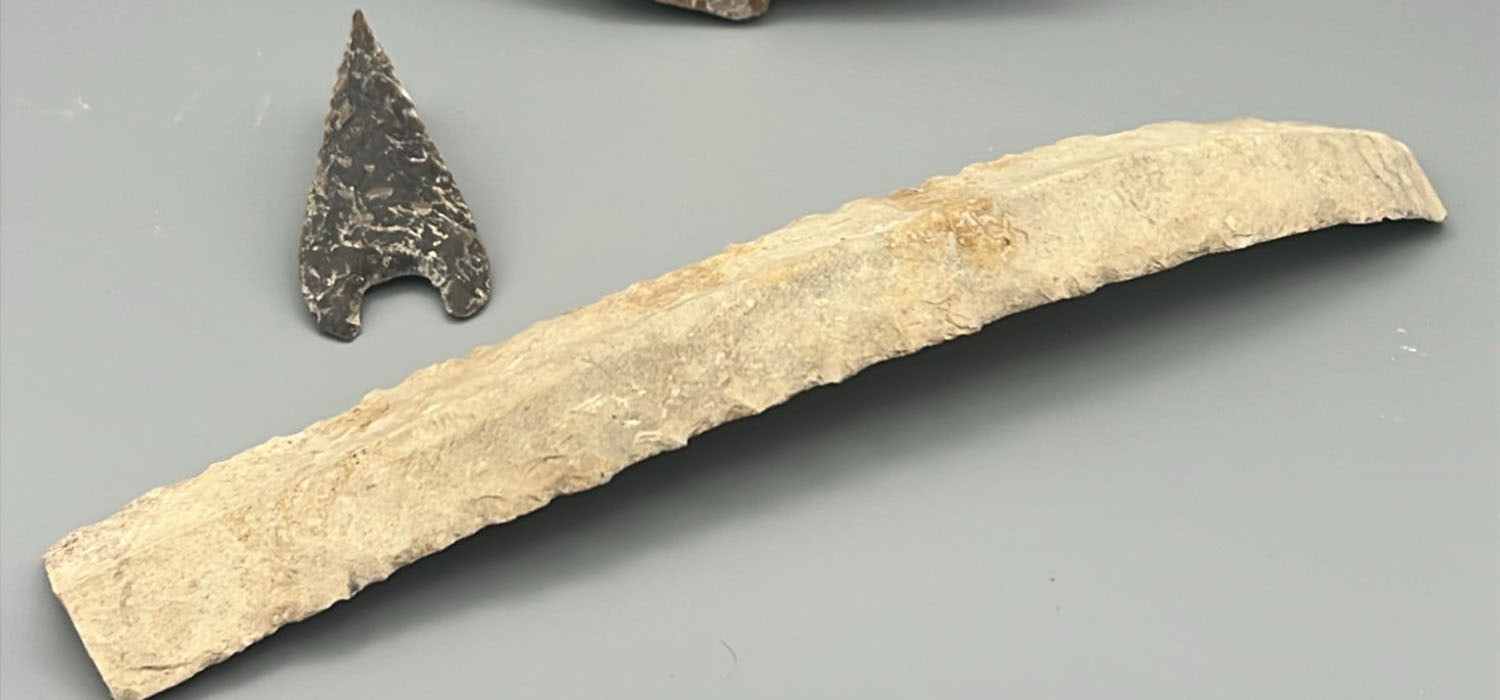
These materials are significant because they hint at social ranking and connections beyond the local area. The presence of marine shells at an inland site implies wide-ranging trade and exchange networks that extended across southern Iberia. The University of Cádiz frames the discovery as evidence of broader interactions and status display involving materials from distant sources deposited alongside the dead.
Potentially One of the Region’s Most Important Archaeological Finds
Serafín Becerra remarked, as quoted by Popular Mechanics, “This could be one of the most monumental and fully intact dolmens in Andalusia.” Eduardo Vijande Vila added that “Its exceptional preservation will allow us to gain in-depth insights into the lifestyles and beliefs of these prehistoric societies.” These statements underscore how the tomb’s condition transforms it into a vital resource for archaeological research.
Consequently, this 5,000-year-old dolmen near Teba has rapidly become a key discovery in prehistoric archaeology. Its size, architectural integrity, reuse over generations, and wealth of exotic grave goods provide unparalleled clues about ancient life in Andalusia and southern Iberia.
Ongoing studies promise to reveal even more about how ancient communities here commemorated their dead and expressed power through monumental stone architecture and valued artifacts.
- Categories:
- Science







0 comments
Sign in to Comment