

Near the southern Egyptian village of El-Khawy, researchers have uncovered an extensive series of ancient hieroglyphs etched into rock, representing the earliest large-scale symbols ever discovered. These carvings appear to convey a profound message linking royal authority with celestial themes.
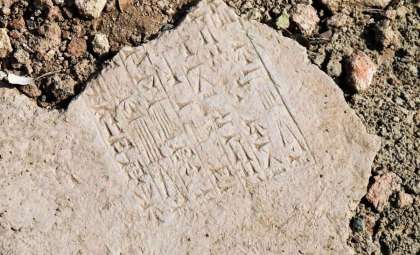
Dating back more than 5,000 years, these monumental inscriptions were created to be highly visible. Positioned along an ancient route connecting early Egyptian settlements, their impressive size and vivid coloring made them impossible to overlook—a kind of ancient billboard. Experts from Yale University and the Royal Museums of Art and History in Brussels believe these glyphs offer unique insight into how Egypt’s earliest scribes expressed the connection between rulers and the cosmos.
Powerful Hieroglyphic Symbols Convey Meaning
The rock art features four prominent figures: a bull’s head on a pole, flanked by three birds—a pair of storks facing outward with a bald ibis situated centrally. Yale archaeologist John Darnell notes these emblems measure roughly 70 centimeters in height, carved in a bright pigment that starkly contrasts with the surrounding dark stone.

“This newly discovered rock art site of El-Khawy preserves some of the earliest—and largest—signs from the formative stages of the hieroglyphic script and provides evidence for how the ancient Egyptians invented their unique writing system,” he said.
According to Darnell, the transition from typical inscriptions to this grand scale is akin to moving from text on a screen to a massive billboard. The bull’s head most likely signifies monarchical authority, while the trio of birds is probably linked to the solar cycle. Together, these images may symbolize the king’s role in maintaining cosmic harmony.
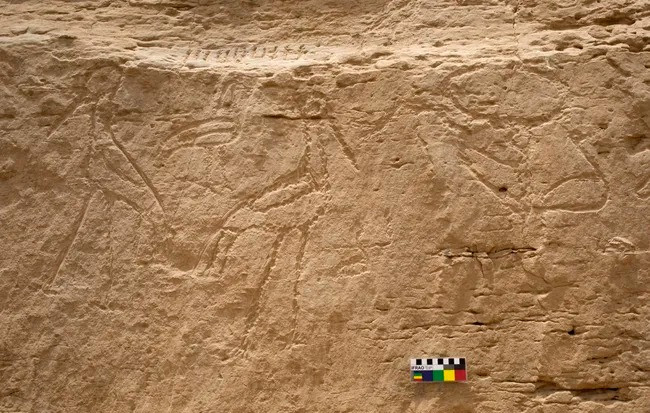
Designed for Public Visibility and Interpretation
What makes this ancient “billboard” exceptional is its conspicuous location. Situated alongside a frequently traveled path, the carvings would have been seen by passersby moving between cities like Elkab. The official statement notes that viewers likely grasped at least part of the intended message.
This form of public, symbolic communication demonstrates that, even in its earliest phases, Egyptian rulers utilized visual art to assert their dominance and connect themselves to the cosmic realm. Although later Egyptian culture commonly linked kings to celestial bodies like the sun, these beliefs were deeply rooted from the start.
The team described their discovery as "utterly astonishing,” noting the sheer size of the scenes and individual symbols far surpassed expectations.
An Ancient Tale: Depiction of a Pregnant Elephant
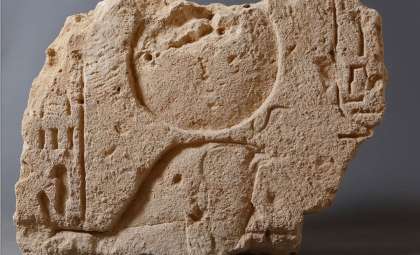
Close to the hieroglyphs, archaeologists identified another carving depicting an elephant with a smaller elephant figure inside it. While subtle, this image is significant. Darnell explains that representing a pregnant creature in ancient Egyptian art is exceptionally rare. This elephant figure predates the billboard glyphs, likely dating between 4000 and 3500 B.C..
“This discovery isn’t new in the sense that this is the first time that anyone has seen these hieroglyphs; this is the first time that anyone has seen them on such a massive scale.”
Few comparable examples exist, including a vase from Abydos portraying a pregnant hippopotamus. These early images reveal that the artists were beginning to tell stories and depict aspects of life even before the full emergence of structured writing.
- Categories:
- Science










0 comments
Sign in to Comment