
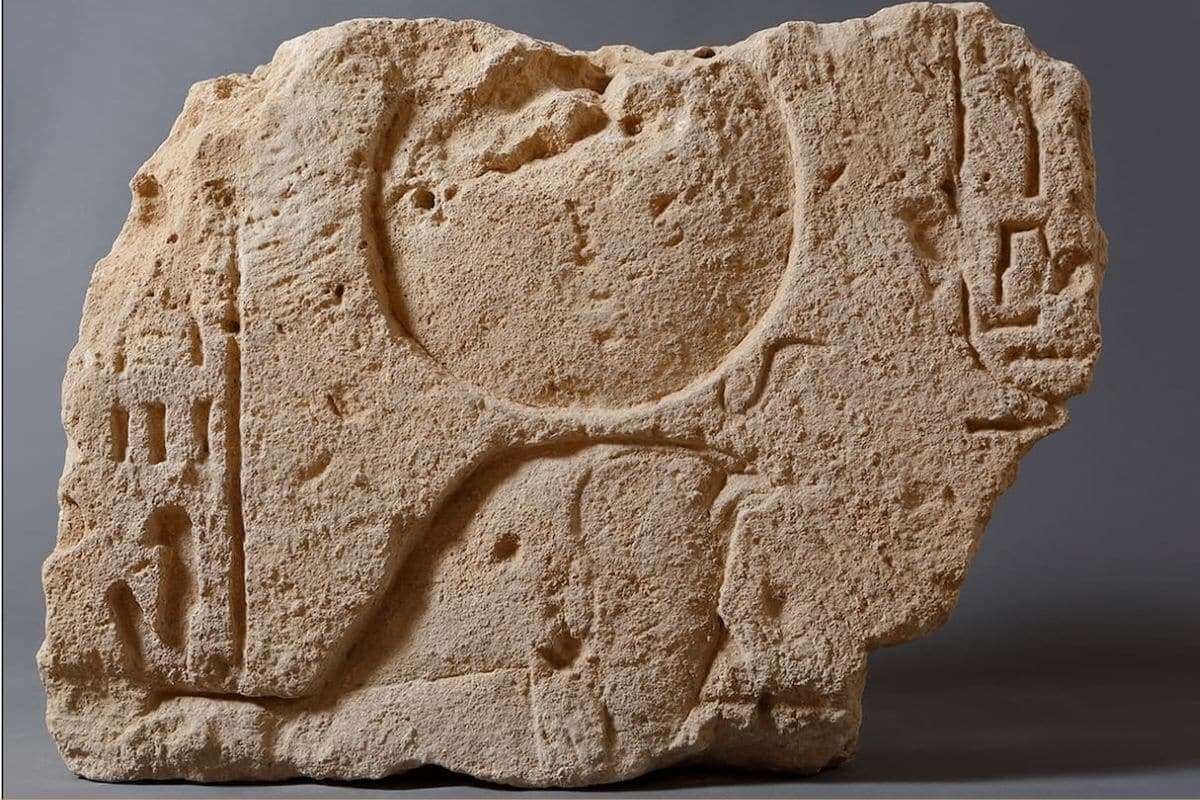
Archaeologists working at Kom el-Nugus, located just west of Alexandria, have uncovered a remarkable site beneath known Hellenistic ruins. This newly found Ramesside-era settlement offers fresh perspectives on the Egyptian Nile Delta’s northern boundary during the New Kingdom period.
Unexpected Layers Beneath the Surface
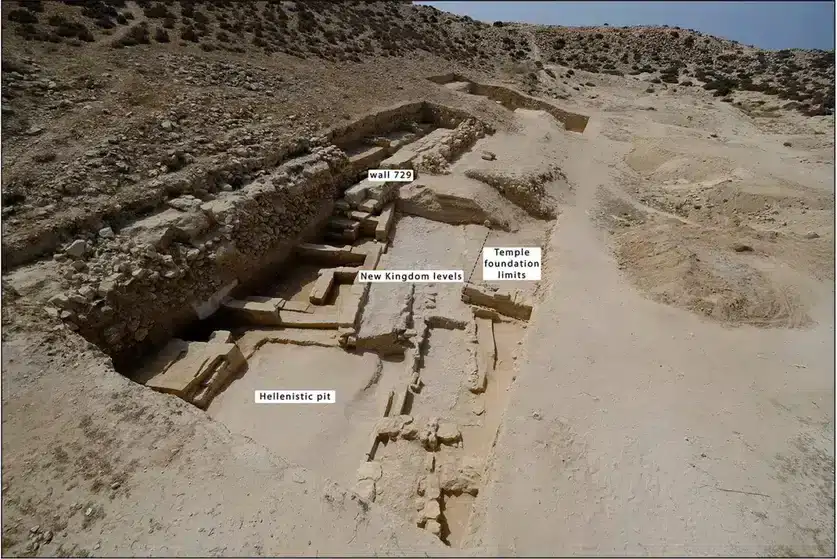
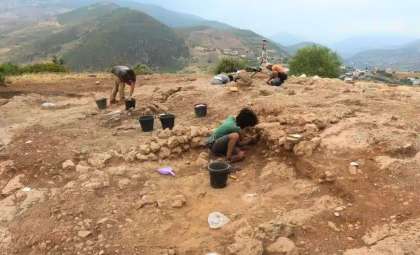
Situated 43 kilometers to the west of Alexandria, between the Mediterranean coastline and Lake Mariout, the site has been systematically excavated for more than ten years. Recent discoveries reveal earlier occupation layers dating to the reigns of Seti II and Ramesses II.
These revelations challenge prior beliefs that the area was first settled solely during the Hellenistic period (332–31 BCE). Sylvain Dhennin from the University of Lyon, a key member of the international excavation team, described the find as “extraordinary” due to its age and its potential to reshape historical understanding.
“This timeframe is renowned for its wealth and cultural prominence,” Dhennin remarked, referencing the eras of rulers like Akhenaten, Tutankhamun, and Ramesses II, who significantly influenced ancient Egyptian civilization.

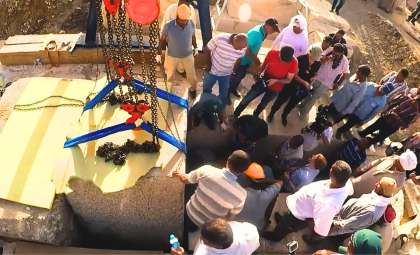
Credit: S. Dhennin
A Hub of Viticulture, Worship, and Influence in the Nile Delta
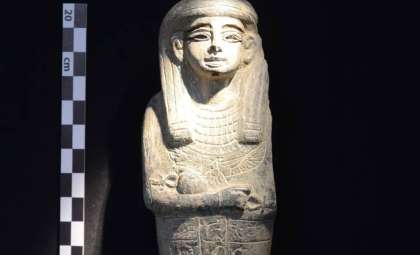
Researchers suggest the settlement functioned predominantly as an agricultural outpost, with strong indications pointing to wine cultivation. Highlighting its significance is a jar seal inscribed with the name of Meritaten, daughter of Akhenaten and Nefertiti, alongside stone blocks linked to a temple dedicated to Ramesses II. Fragments of private chapels unearthed imply that the site served both religious and economic roles.
Strategic Presence on the Delta's Edge
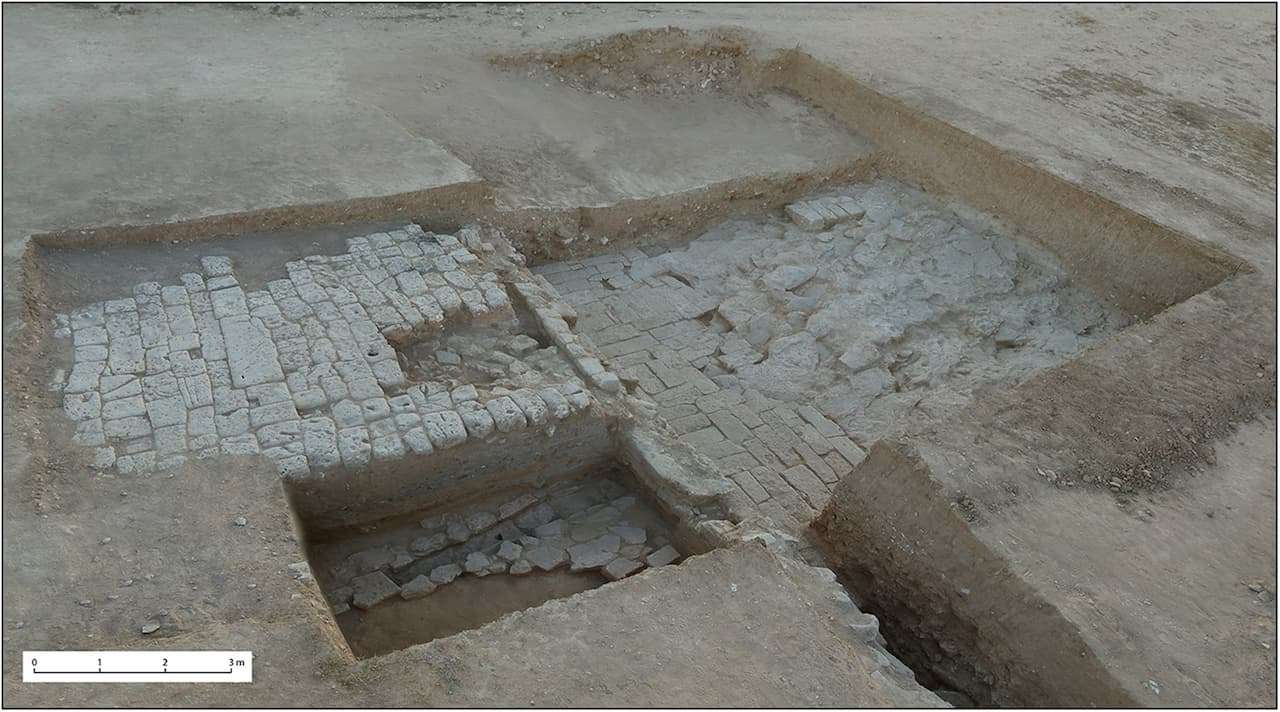
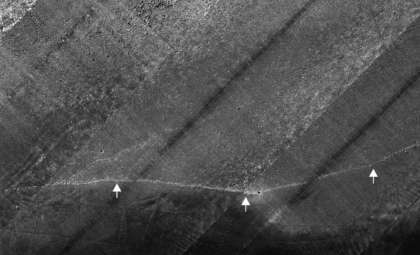
The settlement’s mudbrick construction, arranged along a main thoroughfare with integrated drainage, illustrates a community that underwent multiple phases of occupation and refurbishment. The presence of defensive features combined with its key location suggests Kom el-Nugus might have been a military or administrative center, an uncommon find in the western Nile Delta.
Enduring Through Millennia
Despite extensive reconstruction during the Hellenistic era, which saw the erection of a significant temple and fortifications, many Ramesside structures remain intact. This preservation has enabled archaeologists to reconstruct the original settlement plan, demonstrating how ancient Egyptians adapted and transformed sacred and utilitarian sites over generations.
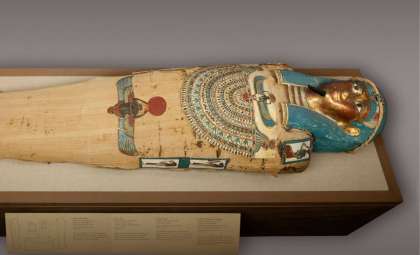
Credit: Pollin / Institut Français d’Archéologie Orientale
Delving Deeper Into Egypt’s Forgotten Northern Frontier
The ongoing research project, under the leadership of Sylvain Dhennin and backed by the French Institute of Oriental Archaeology and the CNRS, aims to fully uncover the settlement's name, purpose, and chronology. Present evidence points to its sporadic occupation, possibly reflecting seasonal military uses, akin to other camps documented across ancient Egypt's territory.
This remarkable find not only enriches the narrative around the New Kingdom but also extends our knowledge of ancient Egypt’s expansive reach. It underscores the wealth of undiscovered heritage hidden beneath the surface, waiting to rewrite history.
- Categories:
- Science






0 comments
Sign in to Comment