
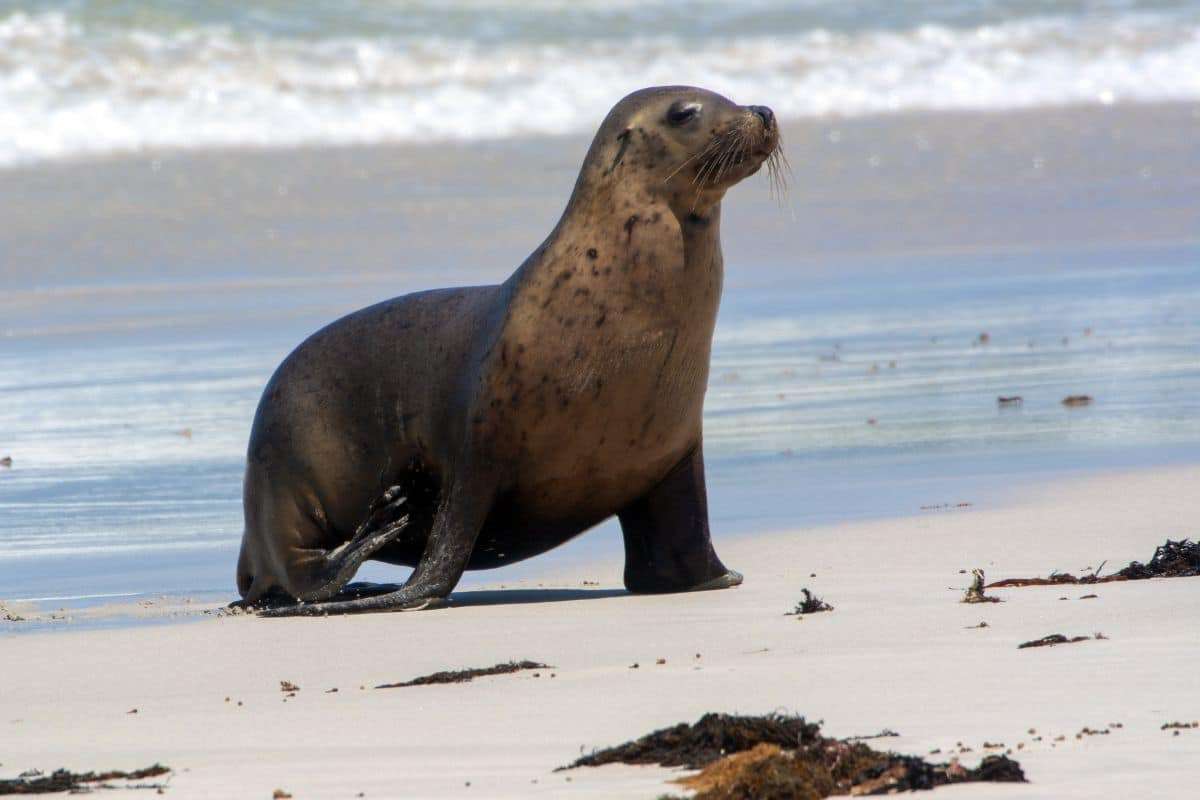
Southern California’s beaches, once known for their tranquility, are now witnessing an alarming rise in hostile sea lion behavior. In recent weeks, numerous swimmers and surfers have encountered unexpectedly aggressive sea lions, turning leisurely water activities into dangerous confrontations.
Hazardous Incidents Along the Southern California Shore
Rj LaMendola, a surfer who had enjoyed over two decades of peaceful waves near Los Angeles, experienced a brutal attack last month.
“It looked like it was possessed,” LaMendola said on Facebook, describing how a sea lion, acting “feral” and “almost demonic,” lunged at him, bit him, and pulled him off his surfboard. Injured and rattled, LaMendola managed to swim to shore, where his torn wetsuit and wounds prompted an immediate hospital visit.
Investigations revealed that the attacking sea lion was affected by domoic acid poisoning, a neurological illness linked to toxic algae blooms. This recurring harmful algae event, present each year for the last four years, has now extended over 370 miles along California’s coastline, raising significant environmental and health alarms.

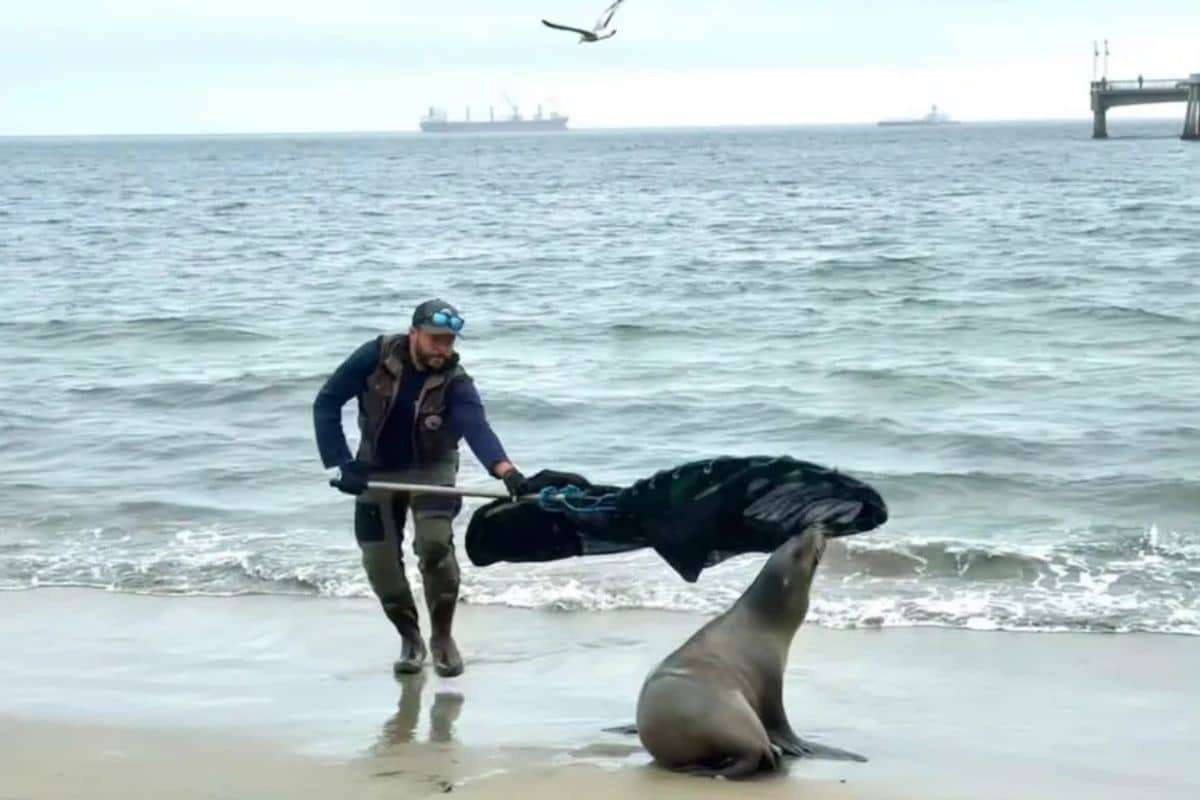
Investigating the Roots of Aggression
Experts and the general public alike are troubled by the surge in aggressive sea lion behavior. John Warner, CEO of the Marine Mammal Care Center in Los Angeles, notes that these violent encounters are atypical for the species.
“These animals are reacting to the fact that they are sick,” Warner explained. “They’re disoriented, and most likely, most of them are having seizures, and so their senses are not all fully functional as they normally would, and they’re acting out of fear.”
The cause lies in the marine neurotoxin domoic acid, created by harmful algal blooms. When sea lions feed on fish contaminated with this toxin, their nervous systems are compromised, leading to erratic and aggressive conduct.
A Record Number of Cases in the Past Year
The Marine Mammal Care Center has been inundated with cases of affected wildlife. In the first quarter of 2023 alone, the facility admitted 195 sea lions, a dramatic jump compared to only 50 during the same timeframe in 2022.
Many of these animals suffer debilitating symptoms, remaining comatose for extended periods before recovery begins.
John Warner reports, “Recovery has been slower this year. While sea lions treated in previous years often started feeding within a week, many of this year’s patients remain lethargic after more than five weeks of care.”
Guidance for Those Visiting the Beach
Warner advises the public to keep a safe distance and remain cautious when encountering marine wildlife. “These sea lions are the same engaging creatures people typically enjoy watching,” he stated, “but they are wild and can behave unpredictably, especially when ill.”
Visitors are urged to stay at least 50 feet away from stranded or sick sea lions and avoid intervening. Instead, they should notify authorities or the Marine Mammal Care Center to handle the situation safely.
- Categories:
- News











0 comments
Sign in to Comment