
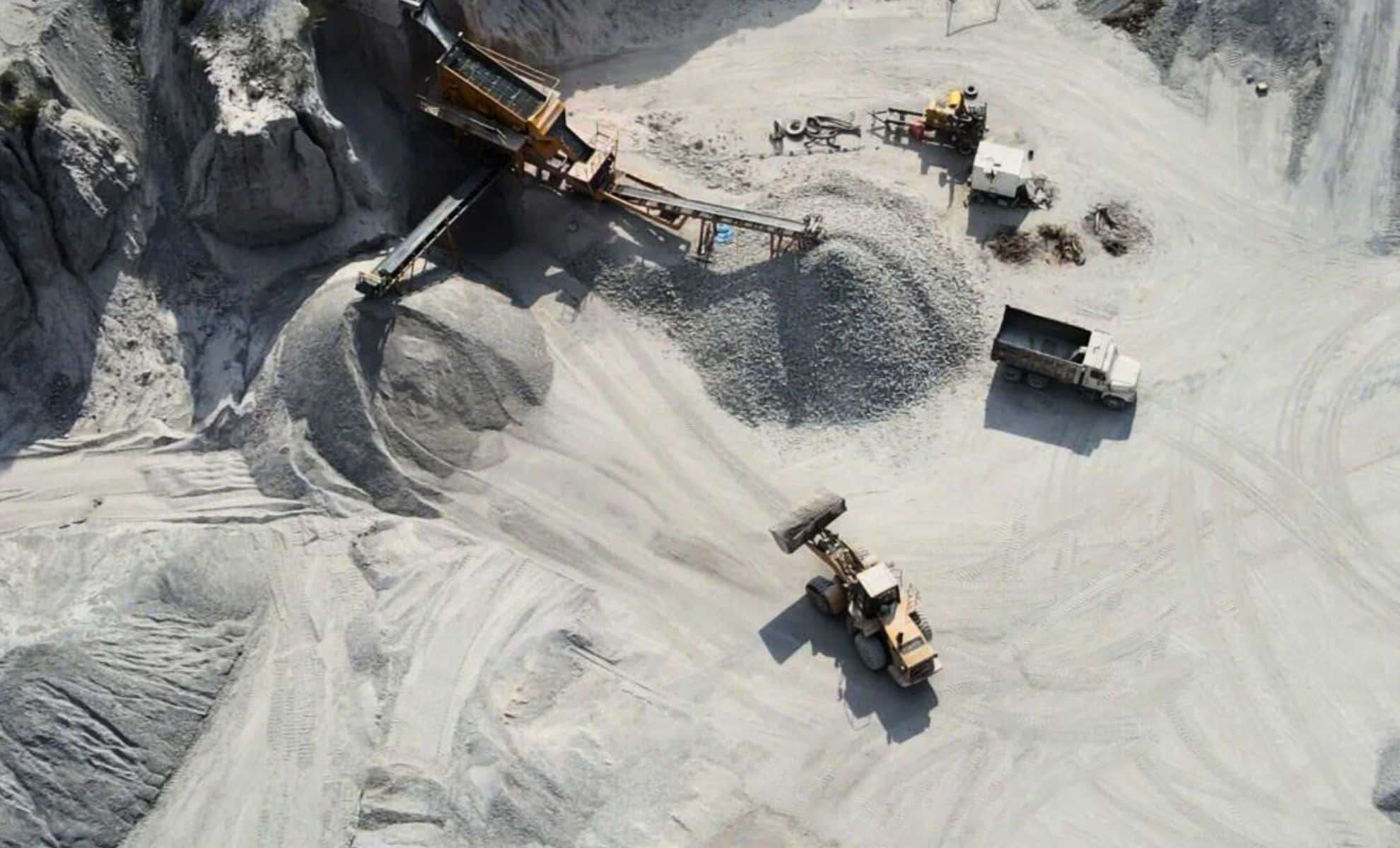
Researchers have unveiled an extraordinary deposit of lithium beneath California’s Salton Sea, valued at an impressive $540 billion.
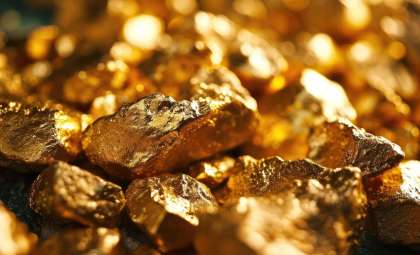
Known as “white gold,” this discovery could enable the U.S. to achieve lithium independence, diminishing its reliance on overseas suppliers.
Yet, the journey to harnessing this resource is fraught with challenges that could impact environmental health, nearby communities, and global geopolitics.

Salton Sea’s Hidden Lithium Wealth
Situated in Imperial County, Southern California, the Salton Sea has historically been both an ecological concern and a recreational site. Beneath its waters lies one of the planet’s most abundant lithium brine resources. Recent research, supported by the U.S. Department of Energy, estimates this deposit to be around 18 million tons of lithium, a substantial increase from prior verified amounts of 4 million tons.
This revelation could revolutionizethe electric vehicle and battery sectors, with enough lithium to manufacture batteries for 382 million electric cars—surpassing the current total number of vehicles in the U.S.
Michael McKibben, a geochemistry expert at the University of California, Riverside and contributor to the study, highlighted the significance of this deposit by stating:
“This is one of the largest lithium brine deposits in the world. This could make the United States completely self-sufficient in lithium and stop importing it through China.”
Opening a New Chapter in Energy Resources
This gigantic lithium reserve, often referred to as “white gold” for its essential use in batteries, has ignited enthusiasm throughout both scientific fields and political arenas in California. Governor Gavin Newsom dubbed the area the “Saudi Arabia of lithium,” emphasizing its strategic significance.
As demand for lithium surges due to the global pivot toward renewable power and electric vehicles, the U.S. is positioned to emerge as a dominant lithium producer, potentially eclipsing China.
Imperial County, historically one of California’s most economically disadvantaged regions, could experience a transformative boost. Local leaders have embraced the moniker “Lithium Valley,” anticipating job creation and increased tax revenues from lithium mining.
Proposals suggest dedicating 80% of mining proceeds back into the community, promising profound economic revitalization.
Mining Challenges Amid Promise
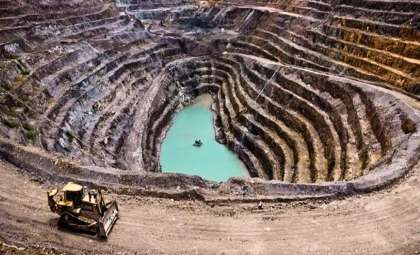
Despite the vast potential, extracting this lithium is a complicated endeavor. It entails drilling deep geothermal wells to reach lithium-rich brine reservoirs.
After lithium extraction, the brine is reinjected underground to sustain geothermal energy production. Nonetheless, this process raises environmental concerns.
Impact on Water Resources
The high water demand for lithium retrieval could further stress the Colorado River, a critical and already overextended water source for California. Given ongoing droughts and water scarcity, expanded lithium operations might intensify local water challenges.
Air Quality and Community Risks
Roughly 180,000 inhabitants live near the Salton Sea, an area facing worsening air quality due to dust from the drying lakebed carrying harmful pollutants, contributing to increased asthma cases. Mining could worsen these health risks.
Additionally, culturally important sites such as Obsidian Butte, sacred to Native American communities, risk disturbance from large-scale extraction efforts.
Economic Promise Meets Environmental Caution
While lithium mining offers the prospect of significant financial gains—estimated by the California Energy Commission to reach up to $257 billion annually for Imperial County—local residents and environmental groups urge careful deliberation.
A report from Earthworks in 2023 pointed out the limited understanding of the full ecological effects of large-scale lithium mining. Striking a balance between economic development and environmental stewardship will be crucial for the future of this emerging industry.
- Categories:
- News




0 comments
Sign in to Comment