
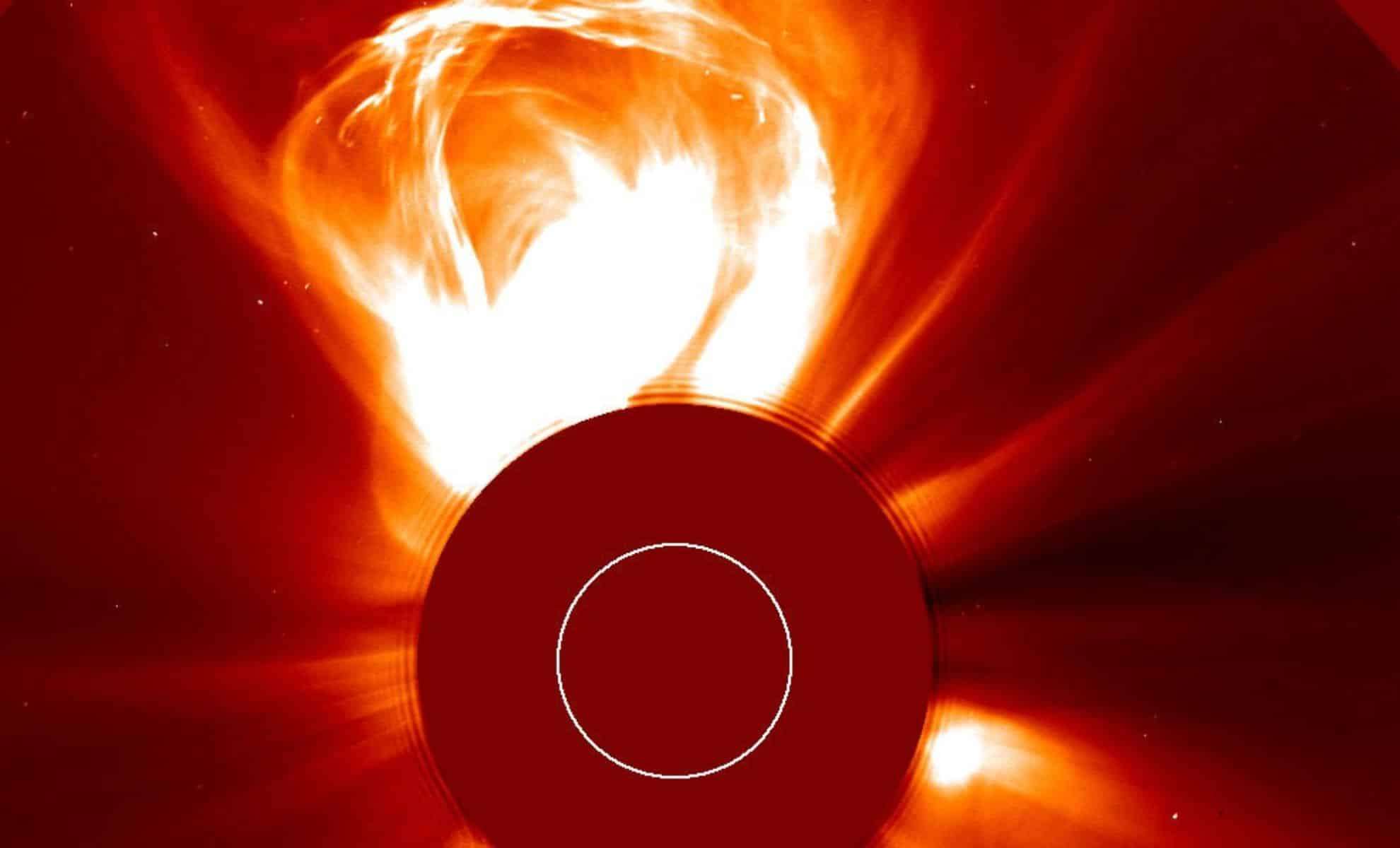
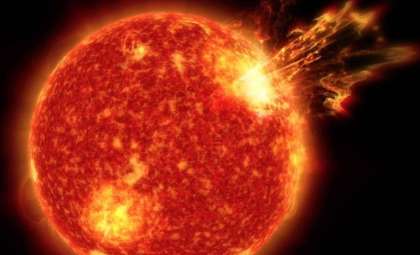
Far from being a steady fixture, the Sun is a dynamic and restless ball of plasma governed by powerful magnetic forces. These intricate interactions produce dramatic solar phenomena such as coronal mass ejections (CMEs), enormous bursts of energized particles expelled into space. When these CMEs head toward Earth, they can interfere with satellite operations, navigation systems, and electrical grids, highlighting the importance of accurate prediction methods in space weather science.
Researchers led by Sabrina Guastavino at the University of Genoa have revealed that machine learning techniques could transform how solar storms are forecasted. By leveraging decades of solar observational data, AI systems successfully recognized indicators of the severe solar storm in May 2024, opening the door to improved prediction capabilities for future solar weather threats.
Understanding the Complexity of Solar Storm Prediction
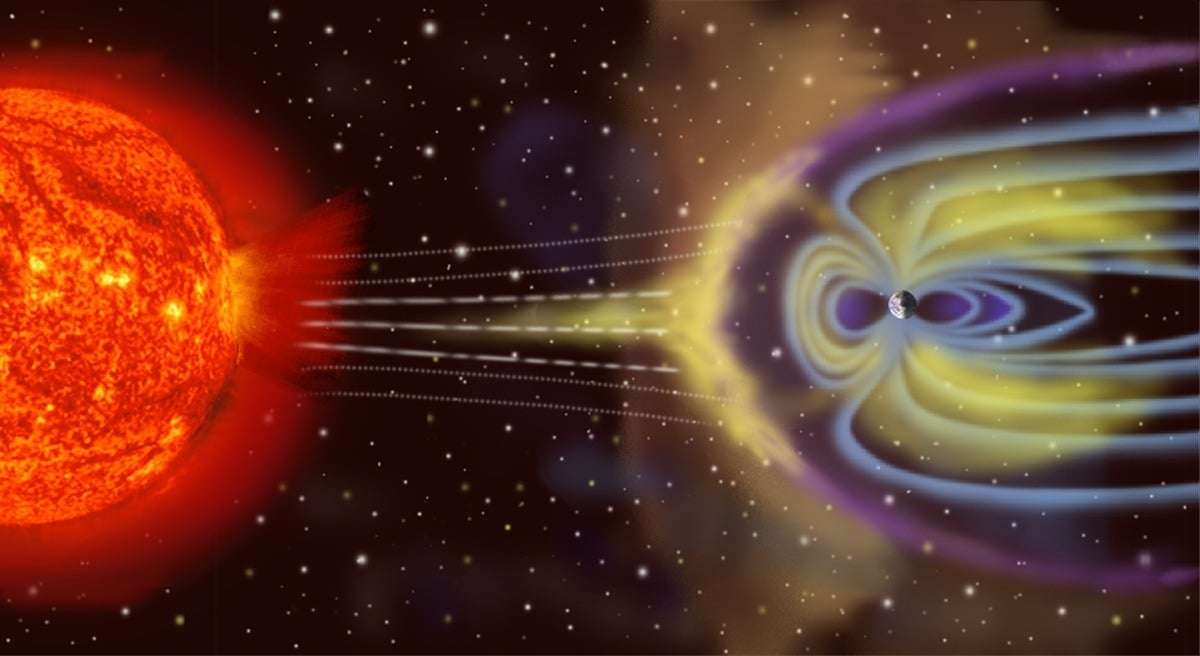
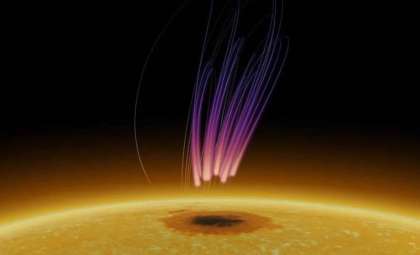
CMEs result from abrupt rearrangements of solar magnetic field lines, unleashing vast energy amounts. These eruptions race through space at velocities reaching thousands of kilometers per second, potentially arriving at Earth within days. They interact with the planet’s magnetosphere, sparking geomagnetic storms that can disrupt electricity grids, communications, and aviation activities.

Predicting such events is challenging due to their intricate nature. Traditional forecasting mostly depends on real-time solar monitoring, which often struggles to forecast the exact timing and strength of solar flares and CMEs. AI provides a promising solution to this challenge.
Discovering Solar Activity Trends with AI
Guastavino’s team applied machine learning algorithms to extensive historical solar data, training their AI models on many years of solar observations. The AI focused on identifying patterns linked to the May 2024 solar event, particularly monitoring flare activity from active area AR13664.
This solar storm generated a notable X8.7-class solar flare, one of the most intense recent events. The AI accurately projected the arrival time of the CME at Earth and the onset of resulting geomagnetic disturbances, demonstrating a leap forward in forecasting precision.
Advancing Space Weather Alerts
These results indicate that AI-powered forecasting could enable earlier and more reliable warnings of geomagnetic disturbances. Such advancements are crucial for organizations dependent on satellite technology and utilities that manage power infrastructure vulnerable to solar storms.
Furthermore, improved prediction accuracy could enhance aurora forecasts, giving enthusiasts increased chances to experience dazzling northern and southern lights displays.
A New Era in Space Weather Forecasting
Integrating artificial intelligence with solar physics represents a major advance in decoding solar phenomena. As these AI models mature, they promise to be critical tools in shielding technological systems from the unpredictable impacts of space weather.
Thanks to this breakthrough, the precise forecasting of solar storms is becoming a reality, helping to protect Earth’s technological infrastructure from the Sun’s most extreme outbursts.
This article was originally published by Universe Today. Read the original article.
- Categories:
- Space





0 comments
Sign in to Comment