
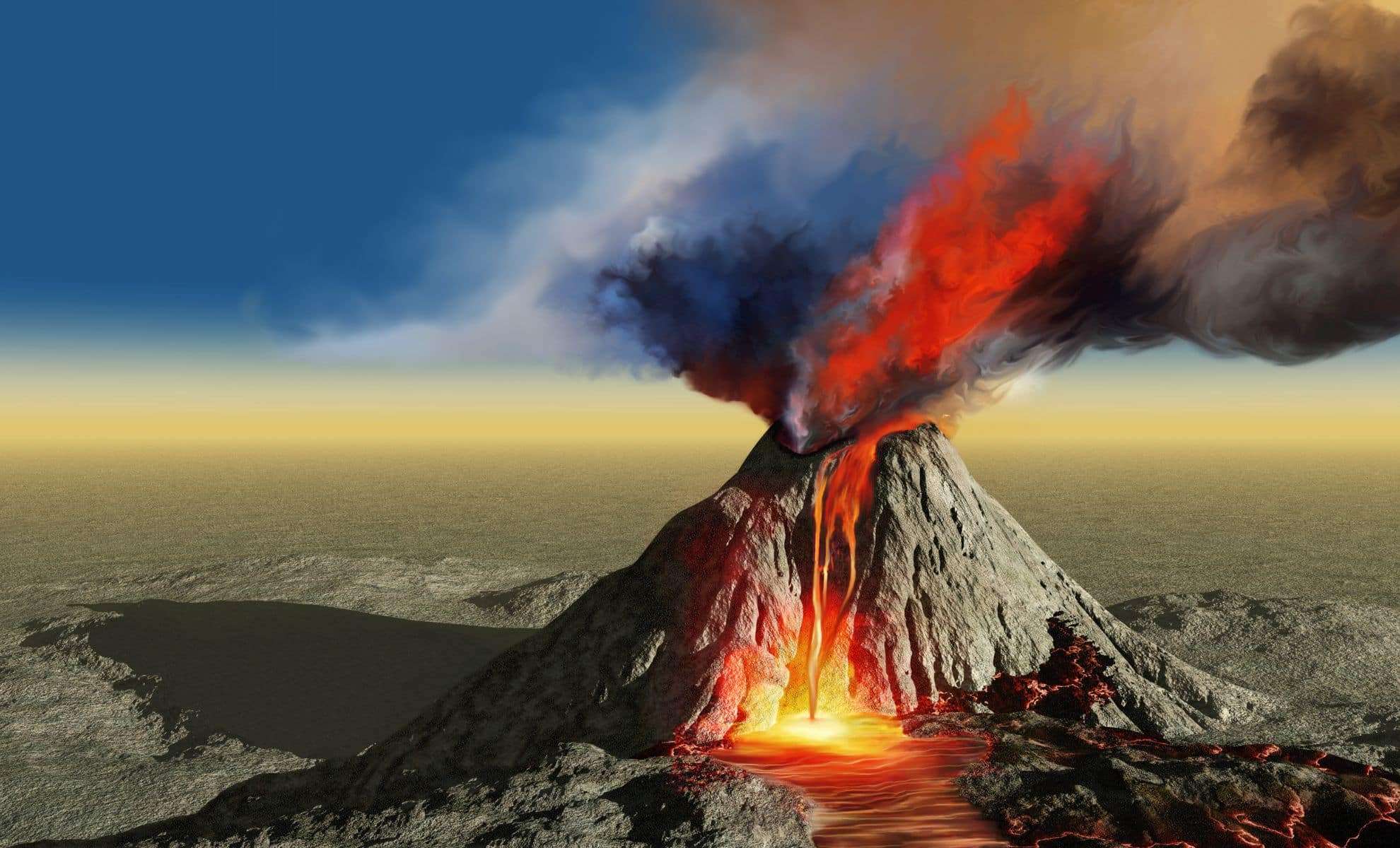
Researchers at the Alaska Volcano Observatory (AVO) have raised concerns over rising volcanic activity at Mount Spurr, situated roughly 80 miles west of Anchorage, Alaska’s largest urban center. Recent data reveals increasing unrest marked by frequent minor earthquakes beneath the volcano and heightened gas emissions.
Current Status of Mount Spurr
Mount Spurr’s most recent eruption occurred on August 18, 1992, producing a voluminous ash plume that obscured sunlight across the Cook Inlet area for several hours. Historical accounts also record a significant eruption in 1953, which resulted in even heavier ash deposits, darkening skies over a 12,000-square-mile region. The present situation is cause for concern due to persistent small-scale volcanic tremors.
The Alaska Volcano Observatory currently classifies Mount Spurr’s condition as “yellow,” representing heightened activity but no immediate threat of eruption. Ongoing monitoring through seismic instruments, cameras, satellites, and infrasound devices aims to detect signs such as increased earthquakes, surface deformation, or visible steam emissions that could prompt an escalation to orange or red alert levels.

Ash Clouds at 50,000 Feet Could Ground Air Traffic
A major hazard from an eruption would be volcanic ash clouds ascending to altitudes of up to 50,000 feet (around 15 kilometers). Such ash layers jeopardize aircraft engines and navigation, potentially triggering extensive flight delays and cancellations. This is reminiscent of the 2010 Eyjafjallajökull eruption in Iceland, which caused the largest air traffic disruption since World War II by spreading ash across Northern Europe.
At a local level, ashfall can jeopardize safety and air quality in Anchorage and nearby communities. During the 1992 eruption, the Anchorage airport was shut down for nearly 24 hours, and ash-related air pollution persisted for months due to wind and vehicle activity stirring up particles.
Ongoing Efforts to Forecast Mount Spurr’s Activity
The Alaska Volcano Observatory employs an extensive monitoring array to continuously assess Mount Spurr. Seismic sensors detect earthquake activity indicative of magma movement, infrasound equipment listens for volcanic explosions, and satellite technology analyzes ash emissions and thermal changes. “Additional impacts could include mechanical erosion and disruption of electrical infrastructure,” the AVO stated.
Officials are advising Alaskans to remain alert to official updates and prepare for possible evacuations or interruptions. The state government highlights that any major eruption would likely be preceded by clear warning signs, allowing adequate preparation time.
Wider Consequences of an Intense Eruption
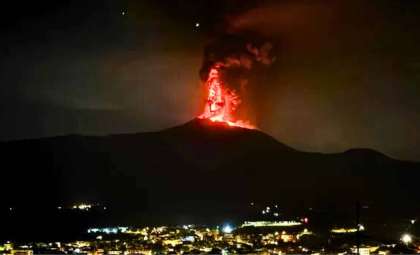
An eruption sending ash as high as 50,000 feet could have far-reaching impacts beyond Alaska. Ash clouds lofted to such altitudes can be transported vast distances by upper atmospheric winds, affecting international air travel and altering weather patterns. Ashfall at ground level threatens public health, infrastructure stability, and transportation routes.
Scientists will keep monitoring Mount Spurr closely, with the Alaska Volcano Observatory providing timely updates to help reduce risks to both aviation and communities.









0 comments
Sign in to Comment