
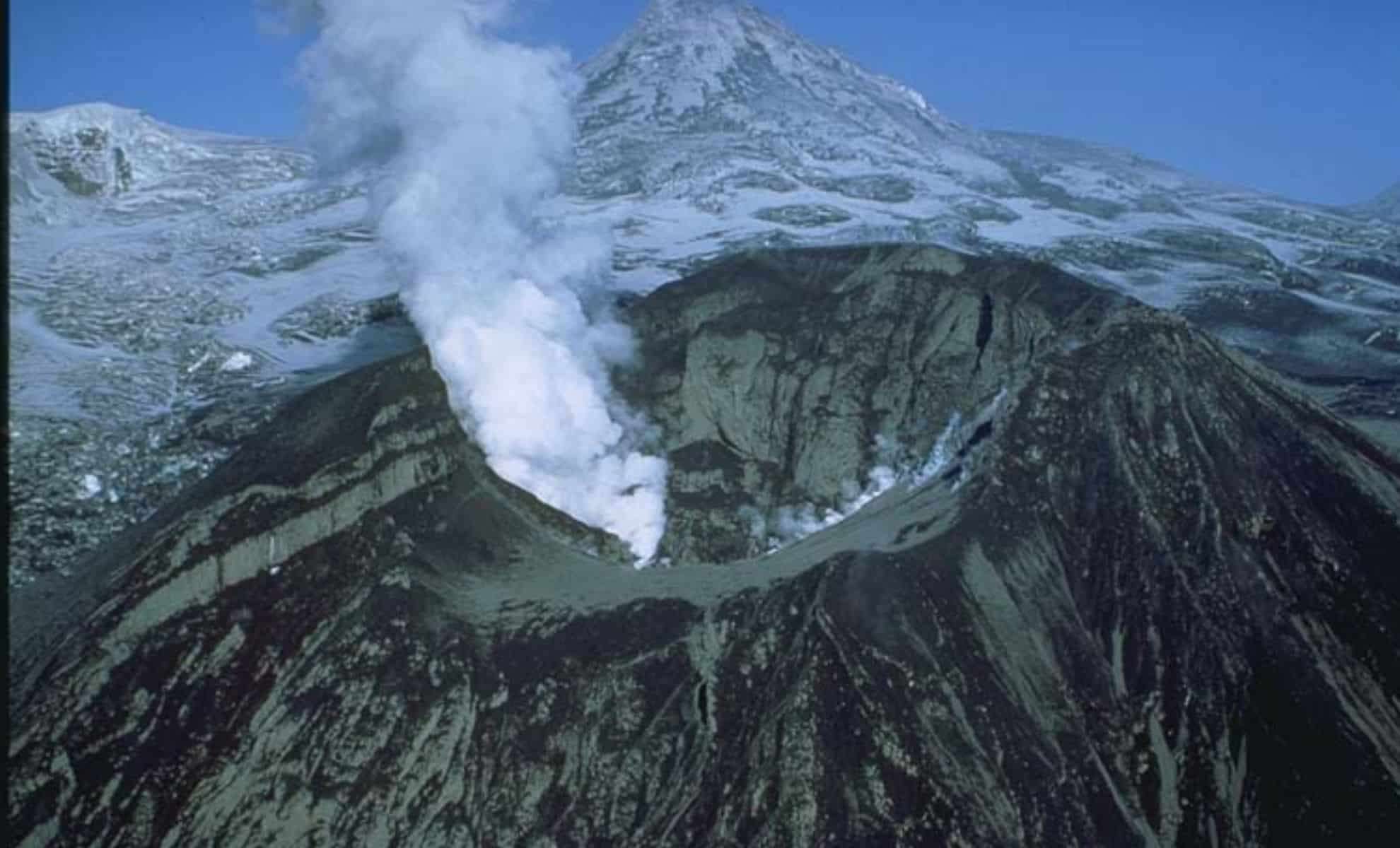
Mount Spurr, a prominent snow-covered stratovolcano located in Alaska, has recently captured considerable scientific attention due to heightened volcanic activity. Since April 2024, the Alaska Volcano Observatory (AVO) has observed a notable increase in earthquake occurrences near the volcano. This spike in seismic events points toward the possibility that Mount Spurr might be approaching another eruptive phase. Positioned only 77 miles (124 kilometers) from Anchorage, the volcano's behavior poses potential hazards to nearby residents and infrastructure. Experts currently estimate a 50% probability of an eruption occurring soon.
The Intensifying Earthquake Pattern
Throughout 2024, Mount Spurr has experienced a surge in earthquake frequency, signaling increased volcanic unrest beneath its surface. Matt Haney, lead scientist at the Alaska Volcano Observatory under the U.S. Geological Survey, notes that seismic activity has not only escalated but also shifted location recently. “It’s had a higher-than-normal number of earthquakes for many months. But over the past month, that itself increased, and also the location of the earthquakes changed.” Initially centered near Mount Spurr’s summit, the earthquakes have migrated approximately two miles (3 kilometers) downslope toward a secondary vent called Crater Peak. This vent, known for eruptions in 1953 and 1992, is now the focal point of renewed activity, prompting heightened vigilance from specialists.
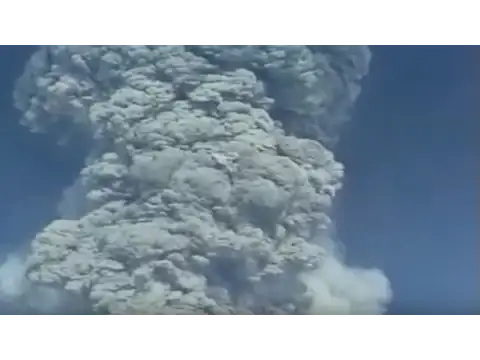
This shift in seismic patterns toward Crater Peak suggests alterations in the volcano’s underlying processes. Should an eruption occur, this vent is the most probable site given recent earthquake dynamics and historical eruption data. During eruptions in both 1953 and 1992, Mount Spurr released towering ash plumes reaching up to 65,000 feet (20,000 meters) into the atmosphere, seriously affecting nearby communities and air traffic. Haney estimates the odds of a repeat event at 50%, implying the volcano might either settle down or advance into a more active phase.

Potential Impact of an Eruption
An eruption from Mount Spurr could have devastating effects. Pyroclastic flows—high-speed currents of hot gas, ash, and rock fragments—could barrel down the volcano’s slopes at speeds surpassing 200 mph (320 km/h), destroying everything along their path. Additionally, the melting of snow and ice could mix with volcanic debris to form lahars, or volcanic mudflows, capable of triggering widespread flooding and destruction. Thankfully, according to Haney, no communities currently lie in direct paths of these hazardous flows. The primary threat lies in possible disruptions to air traffic and local infrastructure.
In 1992, an eruption at Crater Peak shut down the Anchorage airport and blanketed the city with ash deposits about 0.1 inches (3 millimeters) thick. Given the steady increase in air traffic since that time, Haney warns that any eruption today could have far more pronounced consequences. “Today there are even more flights coming in and out of the Anchorage airport, so if something like that were to happen that would be very disruptive,” he explains. Such an ash cloud could also interfere with flights crossing Alaska between North America and Asia, potentially causing major disruptions in global aviation.
Indicators of an Upcoming Eruption
Researchers at the Alaska Volcano Observatory are carefully analyzing seismic patterns to detect signals that might herald an impending eruption. During the 1992 episode, earthquake activity evolved into a sustained seismic tremor—continuous shaking that serves as a clear eruption precursor. Haney says detecting this kind of tremor now would strongly indicate that an eruption is becoming imminent. “If we saw this more long-duration shaking of the volcano in our seismic data, that would be a more clear indication that the unrest is progressing toward a more certain eruption.” This would allow authorities to provide more precise warnings to communities.
Nevertheless, Mount Spurr has produced earthquake swarms before without erupting. Similar seismic upticks occurred in 2004 and 2005 but did not lead to an eruption, illustrating the inherent uncertainty in predicting volcanic events. Earthquake activity alone does not guarantee that an eruption will follow, and Mount Spurr has remained quiet after past episodes of simmering unrest.
A Volcano Poised on a Knife-Edge
Despite existing uncertainties, the recent jump in earthquake frequency combined with the seismic focus shifting toward Crater Peak has heightened concerns over a possible eruption at Mount Spurr. The volcano’s renewed activity serves as a reminder of Alaska’s volatile location within the Pacific Ring of Fire, a hotspot for seismic and volcanic phenomena. As scientists maintain close surveillance, the 50% probability of eruption underlines the unpredictable nature of this situation. Should Mount Spurr erupt, the consequences could be severe, especially for air travel and nearby population centers.
Currently, state-of-the-art monitoring tools are being used to track changes and issue timely alerts. Continuous seismic data analysis aims to improve forecasting, helping authorities prepare and reduce risks to people and infrastructure. The coming weeks and months will be crucial in revealing whether Mount Spurr’s unrest will culminate in an eruption or fade away.
- Categories:
- News










0 comments
Sign in to Comment