
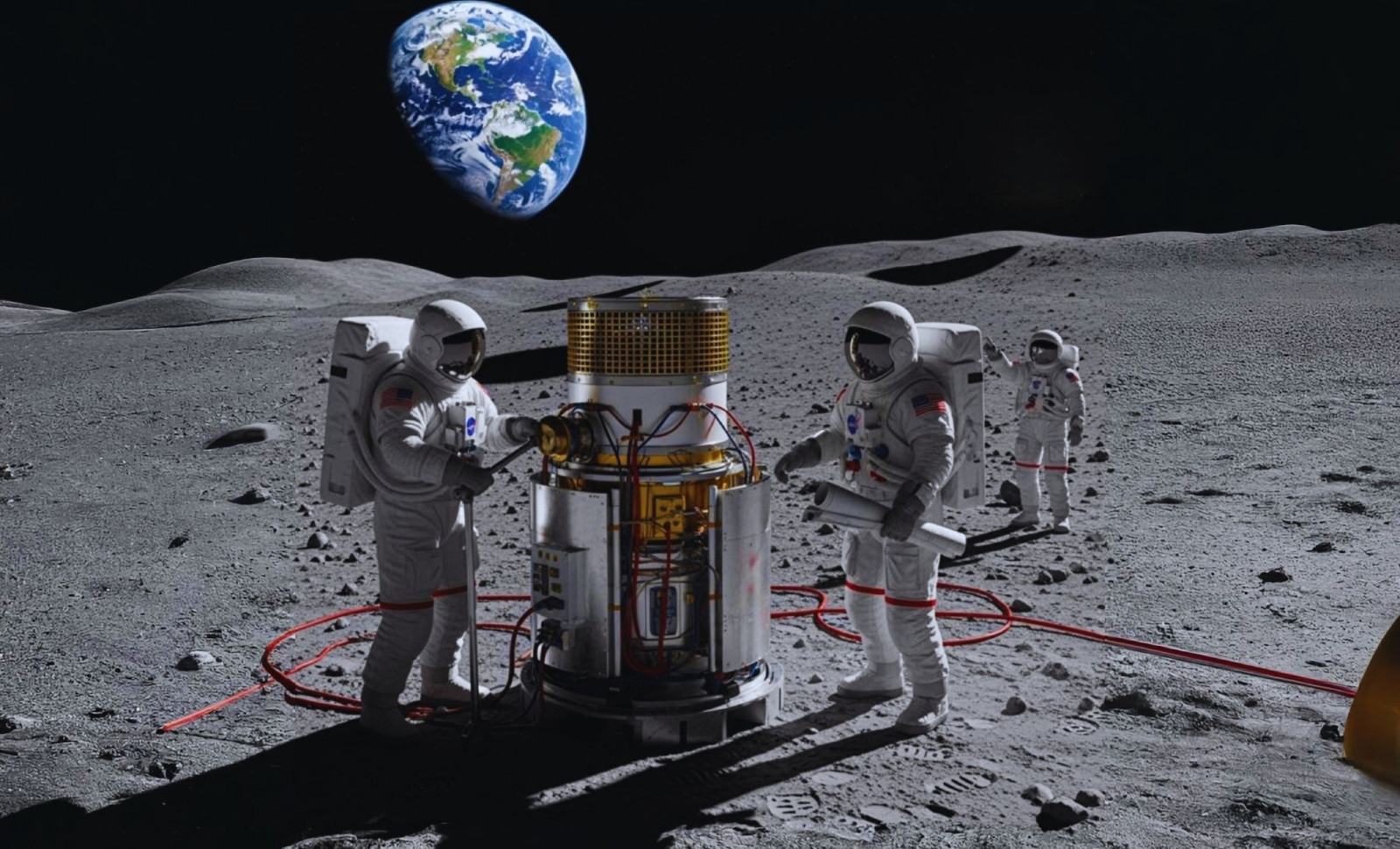
The U.S. government, through NASA and the Department of Energy (DOE), is advancing the development of a compact nuclear reactor intended for lunar deployment within the next decade. This initiative aims to provide reliable power for sustained human exploration on the Moon, addressing the substantial energy demands of off-world missions.
Under the collaborative Fission Surface Power program, NASA and DOE are designing a 40-kilowatt nuclear fission reactor tailored to endure lunar conditions. Engineered for autonomous operation, the system is capable of delivering uninterrupted energy for ten years, even throughout the Moon's lengthy nights.
Coordinated Efforts Toward Lunar Energy Solutions
The DOE’s Idaho National Laboratory is spearheading the technical work, while NASA’s Glenn Research Center oversees project management. In mid-2022, three industry teams — Lockheed Martin, Westinghouse, and IX (a partnership between Intuitive Machines and X-Energy) — received contracts of $5 million each for conceptual reactor designs.

These groups are developing lightweight, scalable, and safe reactor prototypes intended for robotic delivery and assembly on the lunar surface. Interesting Engineering reports that these designs will help NASA determine the technical viability and guide the project toward a launch-ready power source later this decade.
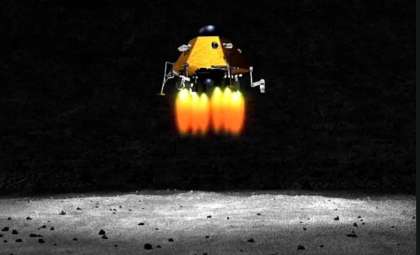
The reactors must be compatible with lunar landers, capable of fully robotic activation, and sustain continuous power generation during the Moon’s ~14 Earth-day-long darkness periods when solar power is insufficient.
Overcoming Lunar Power Supply Obstacles
While solar power is effective on Earth and in space orbit, it is impractical for extended lunar missions. The prolonged nights, severe temperature variations, and terrain shadows limit solar panel effectiveness. Nuclear fission presents a stable, compact power alternative for long-term lunar habitation.
“NASA and DOE anticipate deploying a fission surface power system capable of producing safe, efficient, and plentiful electrical power that will be able to operate for years without the need to refuel,” wrote NASA in a press release.
The reactor design focuses on utilizing low-enriched uranium, improving safety while steering clear of weapons-grade fuels. Advanced heat control and radiation protection measures will safeguard nearby instruments and future living quarters from exposure.
The program builds upon earlier achievements like the Kilopower Reactor Using Stirling Technology (KRUSTY), which successfully demonstrated the feasibility of nuclear power in space during tests conducted in 2018.
Building Foundations for Deep Space Power
NASA’s lunar nuclear power plans have implications that extend to deep-space endeavors. The ongoing Artemis program is a preparatory step for missions beyond the Moon, including exploration of Mars, where solar energy is even more limited. The Moon reactor could act as a prototype for Martian power systems.
DOE emphasized that this would be the first nuclear reactor built by the U.S. to function on a celestial body other than Earth. The deployment marks a significant milestone in space infrastructure development and future exploration strategies.
The project is progressing through its design and testing stages, targeting installation on the lunar surface by 2030. Despite potential schedule adjustments, NASA and DOE prioritize this initiative to ensure sustainable human presence on the Moon.
- Categories:
- News






0 comments
Sign in to Comment