
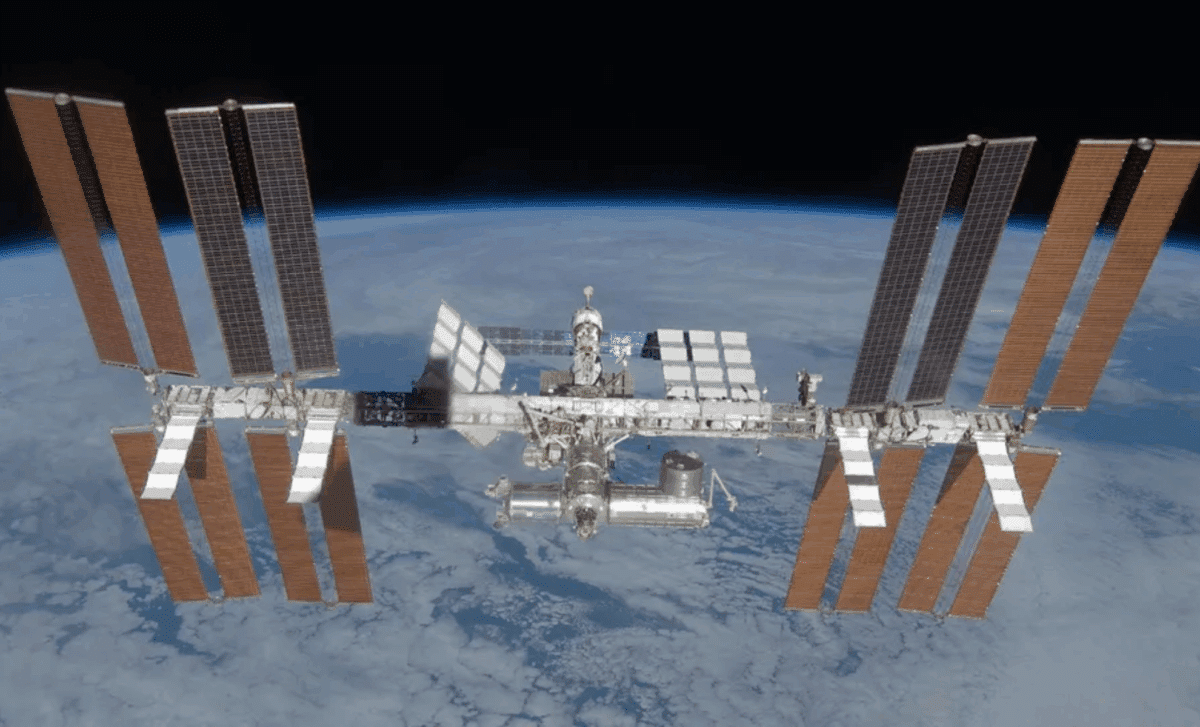
NASA has played a pivotal role in advancing space exploration, notably through its international collaboration on the ISS. With the station’s planned retirement by 2030, NASA is preparing to hand over low-Earth orbit operations to commercial entities, as explained in The Conversation. This transition signals a move from government-led missions to privately-operated space stations.
The ISS: A Milestone in International Space Partnerships
The ISS represents a monumental achievement in human spaceflight. Operating since 2000, this orbital laboratory has provided continuous human presence in low-Earth orbit for over a quarter-century. Its creation and operation were made possible by unprecedented cooperation among the United States, Europe, Japan, Canada, and Russia. Beyond being a scientific facility, the ISS stands as a symbol of collaborative achievement in space exploration.
Throughout its operation, the ISS has enabled groundbreaking experiments in a microgravity environment that Earth-based laboratories cannot replicate. Research areas span from materials science and biotechnology to atmospheric studies. Breakthroughs developed aboard the station include innovations in cancer treatment and new understandings of thunderstorm phenomena. As 2030 approaches and the station’s deorbiting draws near, its enduring impact is undeniable.

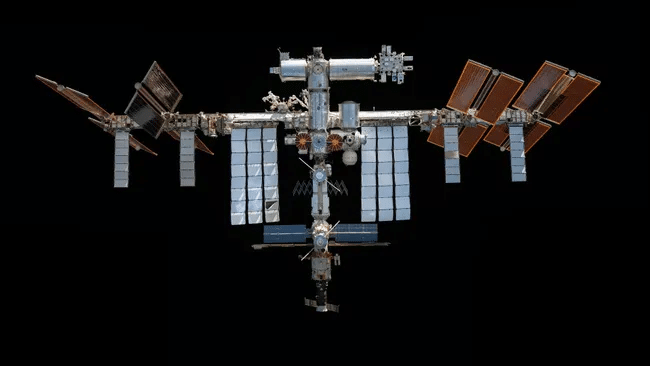
Preparing for Commercial Space Habitats
With the ISS nearing the end of its mission, NASA is proactively developing plans for the sustained presence of humans in orbit through commercial space stations. This strategy shifts station management from government oversight to private industry, aiming to preserve low-Earth orbit as a hub for scientific and technological investigations. Encouraging private sector growth aligns with NASA’s efforts to reduce reliance on federal resources.
In December 2021, NASA awarded funding grants to stimulate the creation of commercially operated space habitats. This initiative intends to have private stations operational well before the ISS’s 2030 decommissioning. With investments exceeding $400 million, NASA expects these ventures to become functional, opening a new chapter in orbital research.
The Emerging Role of Private Companies in Space
Private aerospace firms like SpaceX and Boeing are already essential in ferrying astronauts and cargo to the ISS, making the extension into managing space stations a logical next step. NASA’s support aims to reproduce its current model of operational contracts while leveraging the innovation and efficiency of commercial businesses.
Nevertheless, questions remain about how well private operators can handle the complex challenges of running a space station, including ensuring safety, long-term viability, and supporting a broad range of research disciplines. NASA’s expertise will continue to play a critical role as it transitions into a client role, procuring services from these commercial platforms similarly to existing crew and cargo missions.
Shifts in Global Space Dynamics and Cooperation
As the ISS mission concludes, the low-Earth orbit environment will see significant changes. China’s Tiangong station, active since 2021, is poised to maintain a continuous human presence in space and potentially surpass the ISS in duration. This development will alter the international landscape of orbital exploration.
This evolution may stimulate new cooperative frameworks or competition between nations and private enterprises. NASA’s pivot towards commercial partnerships could inspire other countries to deepen their collaborations with private space companies, whilst China’s expanding program might catalyze fresh alliances or rivalries as space exploration ventures grow more complex and diverse.
Charting the Path Forward for Space Science
NASA’s embrace of commercial space stations coincides with ambitious missions beyond Earth orbit, such as the Artemis program targeting lunar exploration and long-term plans for Mars expeditions. Technologies tested in low-Earth orbit will be crucial for these goals, and by shifting station operations to the private sector, NASA can allocate greater resources to deep space endeavors.
This transformation represents more than operational changes; it highlights the expanding influence of private industry in space exploration. Commercial stations are set to open new frontiers for scientific discovery, innovation, and possibly tourism. Ultimately, low-Earth orbit could evolve into a collaborative arena where government agencies like NASA and private companies work hand-in-hand to advance human presence in space.
- Categories:
- News












0 comments
Sign in to Comment