
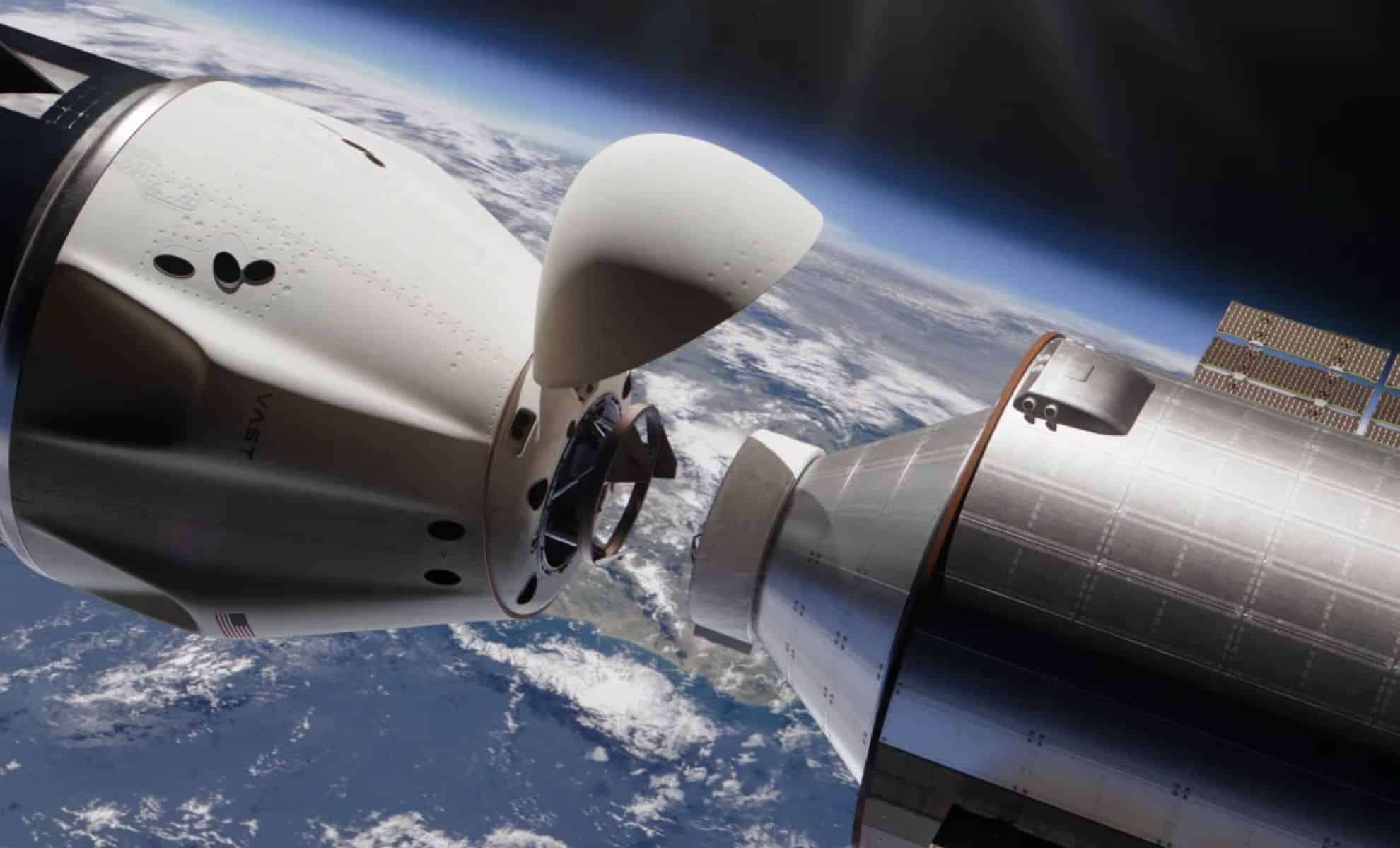
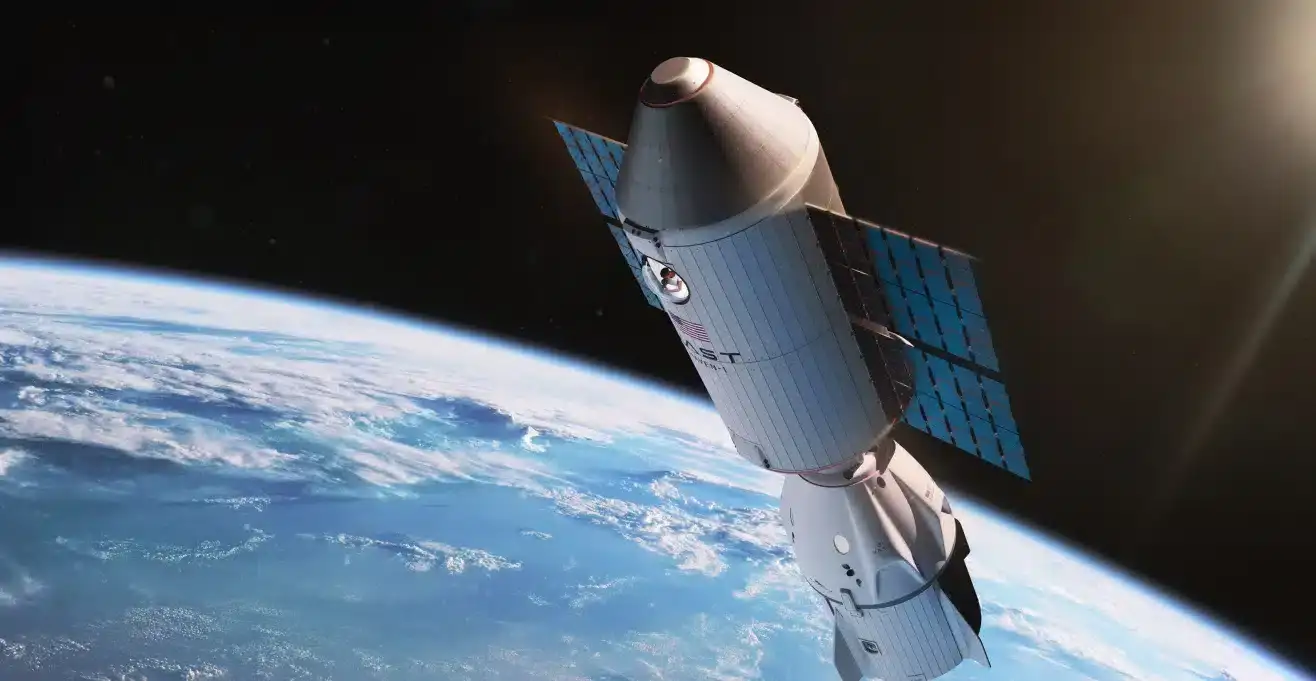
The future of orbital exploration is entering a new phase. As highlighted in a recent CNN article, Haven-1—a compact space station designed by the California startup Vast—is scheduled for liftoff in 2026. This marks a pioneering achievement as the first privately funded commercial space station destined for orbit, aiming to succeed the aging International Space Station (ISS) once it retires.
A Streamlined Habitat with a Clear Purpose
In contrast to the ISS’s expansive design, Haven-1 embodies the concept of a "minimum viable space station." Its interior offers 45 cubic meters—comparable in size to a city bus—optimized to support up to four astronauts during missions lasting ten days. The initial plan includes four missions over a projected operational lifespan of three years.
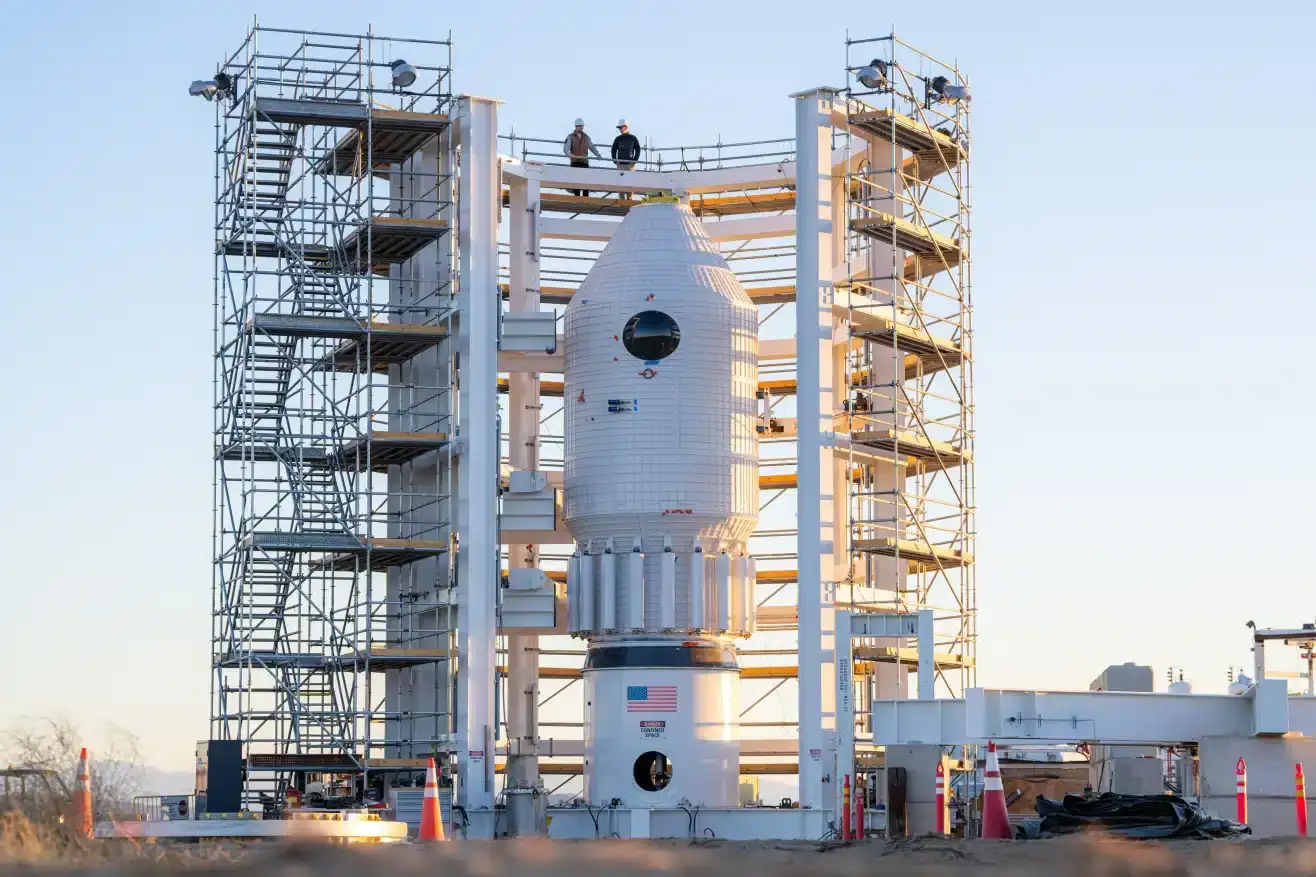
Built on established NASA life support technologies, the station is undergoing rigorous ground testing, including pressurization and durability evaluations. The assembly of the actual flight unit is underway, with Vast aiming for pre-launch readiness by April 2026.

Once in orbit, the first crewed flights will be conducted onboard the SpaceX Crew Dragon spacecraft. These missions will carry researchers and astronauts trained for complex experiments, focusing on advances in biology and material sciences.
Efficient Design Fueled by Innovation
Though modestly sized, Haven-1 is outfitted with cutting-edge features. It boasts a 1.2-meter-diameter domed viewport for enhanced Earth observation, Starlink-enabled internet for reliable connectivity, personal sleeping quarters, and a shared workstation suitable for collaborative tasks and meals. The station’s inflatable sleeping units offer astronauts a snug, pressure-mimicking environment similar to the cozy spots they favor on existing ISS missions aboard the ISS.
Former NASA astronaut Drew Feustel, who has completed over 200 days in orbit, contributed to designing these human-centric details. Vast’s CEO, Max Haot, explains, “We go to space to work, and if your rest, comfort, and communication improve, so does your performance.”
Advancing Science from Earth’s Orbit
Scientific research will be integral to Haven-1’s purpose. Across its scheduled missions, the station will provide about 40 cumulative crew-days dedicated to experiments. Planned studies involve drug discovery, protein crystal growth, plant biology, and human health in microgravity.
Vast is collaborating with partners like Florida’s Redwire Space, experienced in cancer and stem cell experiments on the ISS, as well as companies such as Germany’s Yuri, Luxembourg’s Exobiosphere, and France’s Interstellar Lab. Between missions, the station will also serve as a testbed for artificial gravity technologies, a crucial step toward enabling extended human space travel.
Leading the Commercial Space Station Era
Vast isn’t just joining the post-ISS market; it aims to be the frontrunner. While competitors such as Axiom Space, Blue Origin, and Starlab also develop commercial orbital habitats, Vast stands out as the only company moving forward without a major government contract.
The venture is backed by a private investment of approximately $1 billion, courtesy of Vast’s founder and ex-cryptocurrency entrepreneur Jed McCaleb. Since announcing the project in 2023, Vast’s workforce has expanded from 200 to over 950 employees, who are building manufacturing capabilities in-house. The upcoming Haven-1 module is just the beginning; the company intends to roll out larger Haven-2 units by 2028, aiming for a fully modular station by 2032.
If successful, Vast will become the first private enterprise to offer ongoing commercial orbital platforms—from research facilities to astronaut training sites. As Max Haot emphasizes, “Our mission isn’t to create a space luxury hotel aimed at tourists, but to establish an optimal environment for living and working in orbit.”
- Categories:
- News













0 comments
Sign in to Comment