
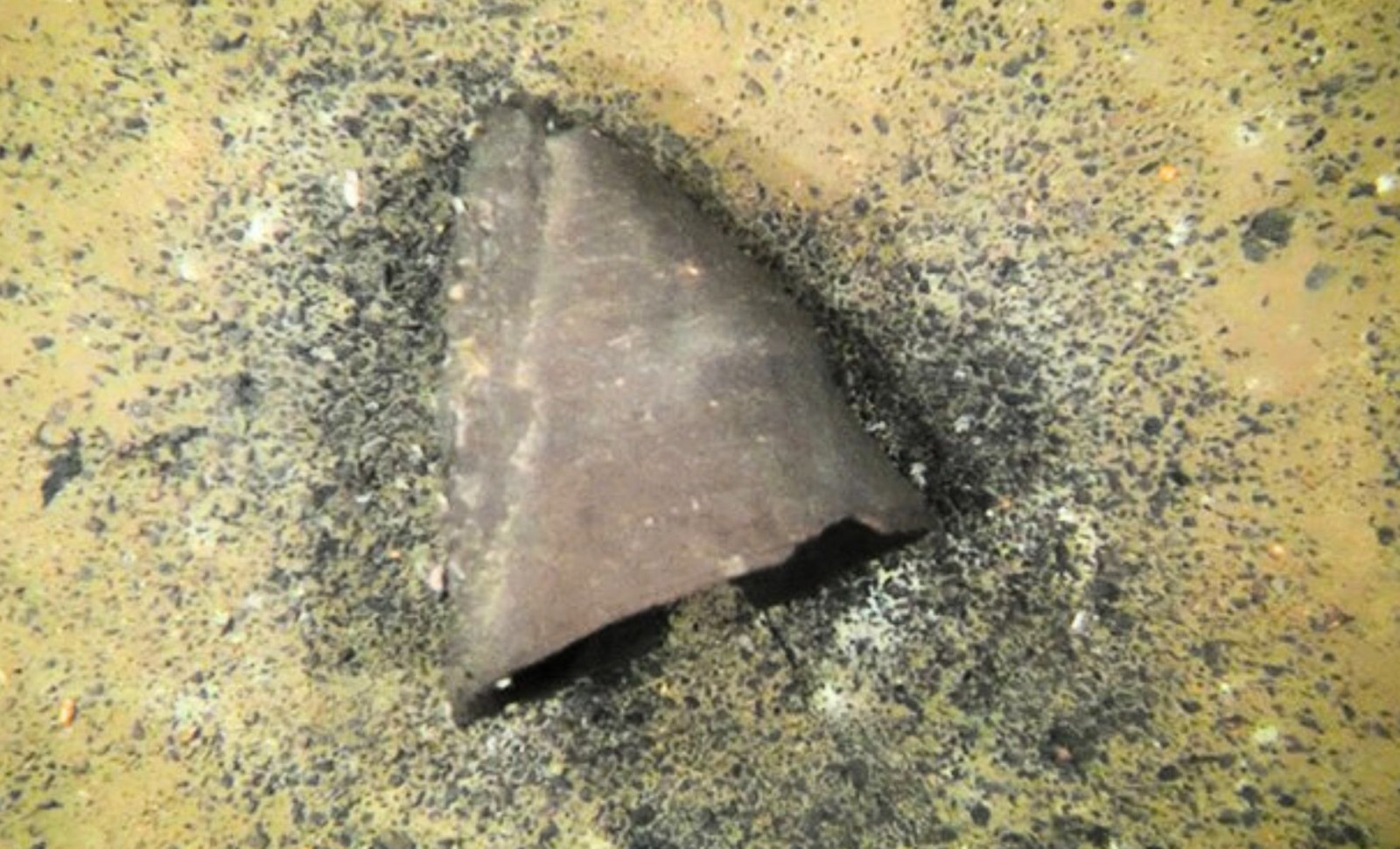
At the heart of Japan's largest lake lies a groundbreaking archaeological revelation. Scientists recently identified an exceptionally aged and well-maintained artifact nestled within a submerged basin.
Accessing this piece went beyond conventional exploration techniques, requiring advanced underwater drones, 3D imaging, and long-range photographic technology amid limiting visibility conditions that few divers can endure. Although the site has been familiar to researchers for many years, its full historical value is only now coming to light.
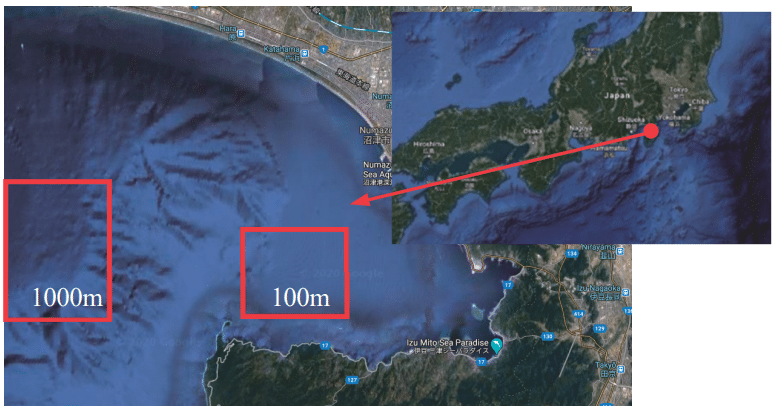
While the lake has been closely monitored for its ecological attributes, its archaeological promise remains largely unexplored. Earlier finds were often incidental, discovered by local fishermen or during shallow explorations.

This recent expedition was a deliberate, institution-led effort utilising cutting-edge technology. The discovery unveiled one of the most pristine examples of early Jomon pottery preserved in its original position, shedding new light on prehistoric communities' relationships with Japan’s freshwater systems.
Robotic Exploration Uncovers Exceptionally Preserved Jomon-era Vessel
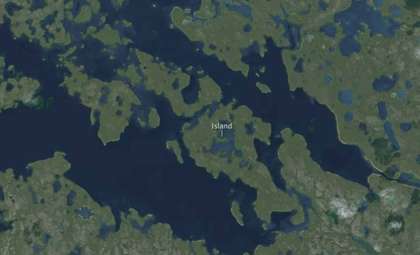
In October 2025, a team backed by Japan’s Agency for Cultural Affairs carried out an underwater digital reconnaissance near the Tsuzuraozaki site in Lake Biwa, Shiga Prefecture. Governed by the prefectural authorities, the project employed autonomous underwater vehicles (AUVs) fitted with synchronized imaging and scanning tech.
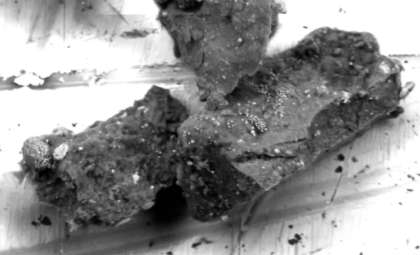
The survey revealed a ceramic pot positioned upright roughly 64 metres below the surface. Identified as an oshigata-mon doki, a cooking vessel attributed to the early Jomon period—spanning approximately 14,000 to 300 BCE—the artifact’s style and etched designs date it to between 11,000 and 10,500 years ago.
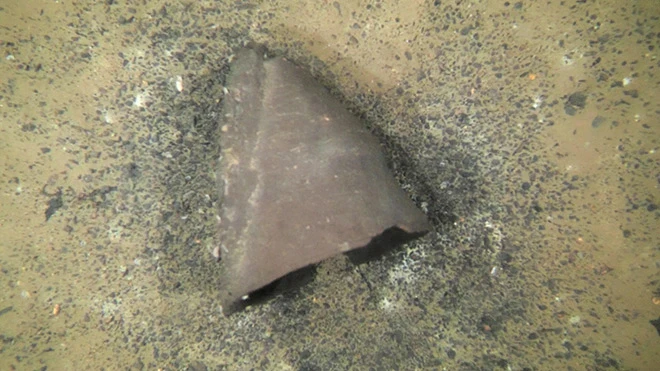
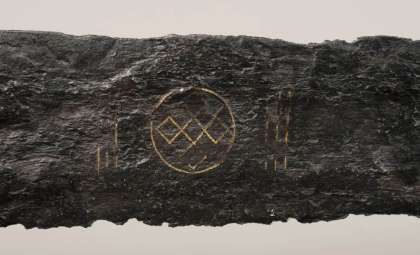
The vessel measures about 25 centimeters in height and features distinctive elements from the Jinguji-style or Konami Upper-layer pottery traditions, including a tapered base and delicate engraved motifs. These features reveal early mastery in clay refinement and kiln technology among semi-sedentary forager communities.
Shiga’s cultural heritage authorities have confirmed the discovery, stressing that the artifact will stay untouched on-site for detailed study. Its upright position and excellent state suggest minimal disturbance since its deposition.
“Finding pottery over 10,000 years old in nearly original condition is extraordinarily rare,” explained Takahiko Fukunishi from the prefectural cultural assets division in an interview with The Japan Times. He added the underwater location likely helped preserve the vessel from exposure to air.
Insights from a Multi-Period Underwater Site
The Tsuzuraozaki underwater archaeological site has yielded cultural finds since 1924, when ancient pottery first appeared in fishermen's nets. Over 200 ceramic shards from periods ranging from the Jomon to the Heian era (794–1185 CE) have been documented, though few match the remarkable preservation or contextual significance of this latest find.
In the October mission, researchers also discovered six Haji pottery jars from the Kofun period (5th century CE) plus an unidentified ceramic fragment. Notably, three of these jars were aligned, hinting they may be remnants of a transported load lost underwater.
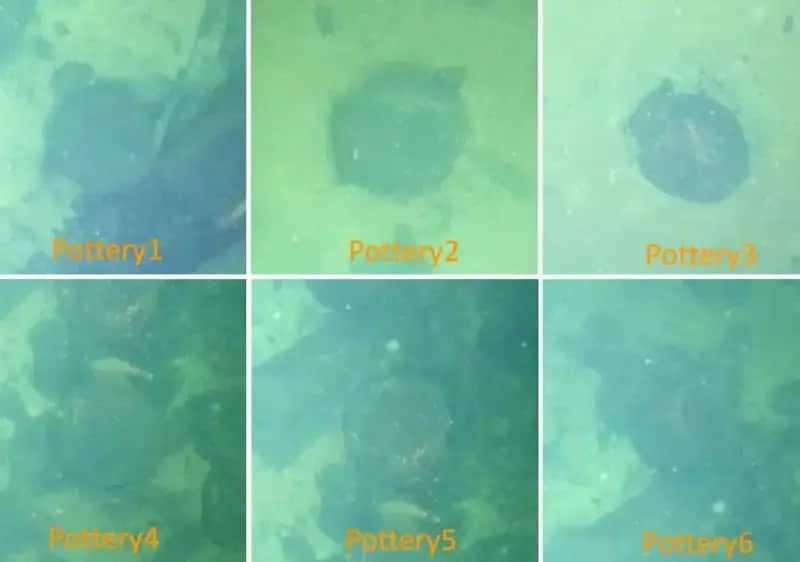
The coexistence of artifacts from various eras within a confined underwater area prompts debate regarding the site’s historical usage. Leading theories suggest ritual deposits, submerged lakeside settlements displaced by geological changes, or cargo losses due to rising water levels.
The site's comprehensive history remains under investigation, with recent coverage from ArkeoNews outlining prior finds and evolving interpretations of Tsuzuraozaki’s archaeological importance across multiple epochs.
Despite nearly 100 years of sporadic finds, vast areas of Lake Biwa remain unexplored archaeologically. Challenges such as limited diving capacity, murky waters, and shifting sediments have historically impeded research. The new technological approach adopted in 2025 greatly enhances the ability to investigate deeper, minimizing disturbance to submerged sites.
Innovative Technologies Transform Underwater Archaeology
Japan’s National Maritime Research Institute (NMRI) initially developed the underwater technology for oceanic engineering and subsea cable inspections. These AUVs have since been repurposed for heritage preservation tasks, conducting live mapping and detailed environment scanning.
An NMRI technical report details the system’s specifications, highlighting features such as stable hovering, synchronized multi-vehicle operations, and advanced sonar imaging. These capabilities make it highly suitable for diving and exploration in deep, low-visibility conditions.
In Lake Biwa, the AUVs generated a 3D model of the lakebed covering an area of 200 by 40 meters. Their ability to operate safely well beyond diver limits allows archaeological artifacts to be documented in place without disturbance.
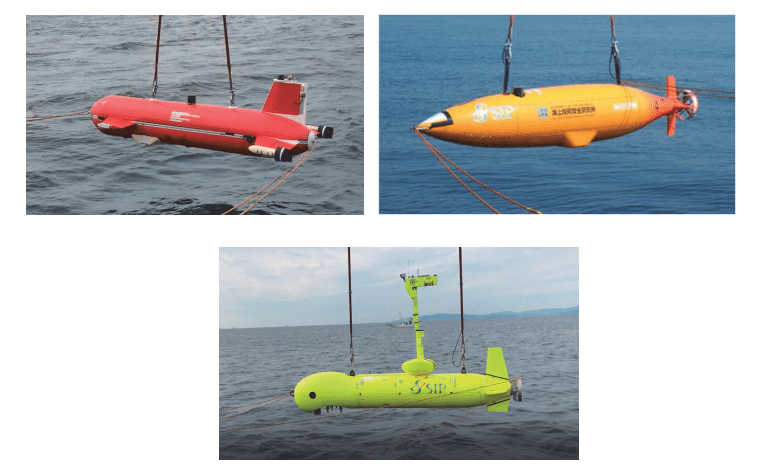
According to ArkeoNews, data quality from the AUV operations rivals traditional diver documentation at shallower depths. Capturing such precision beyond 60 meters marks a major advancement for underwater archaeology in lakes.
With over 400 registered submerged archaeological sites across Japan, the adoption of robotic and digital techniques is becoming standard. Experts highlight that underwater contexts, especially with minimal sediment movement and oxygen exposure, often protect artifacts more effectively than land sites.
- Categories:
- News








0 comments
Sign in to Comment