
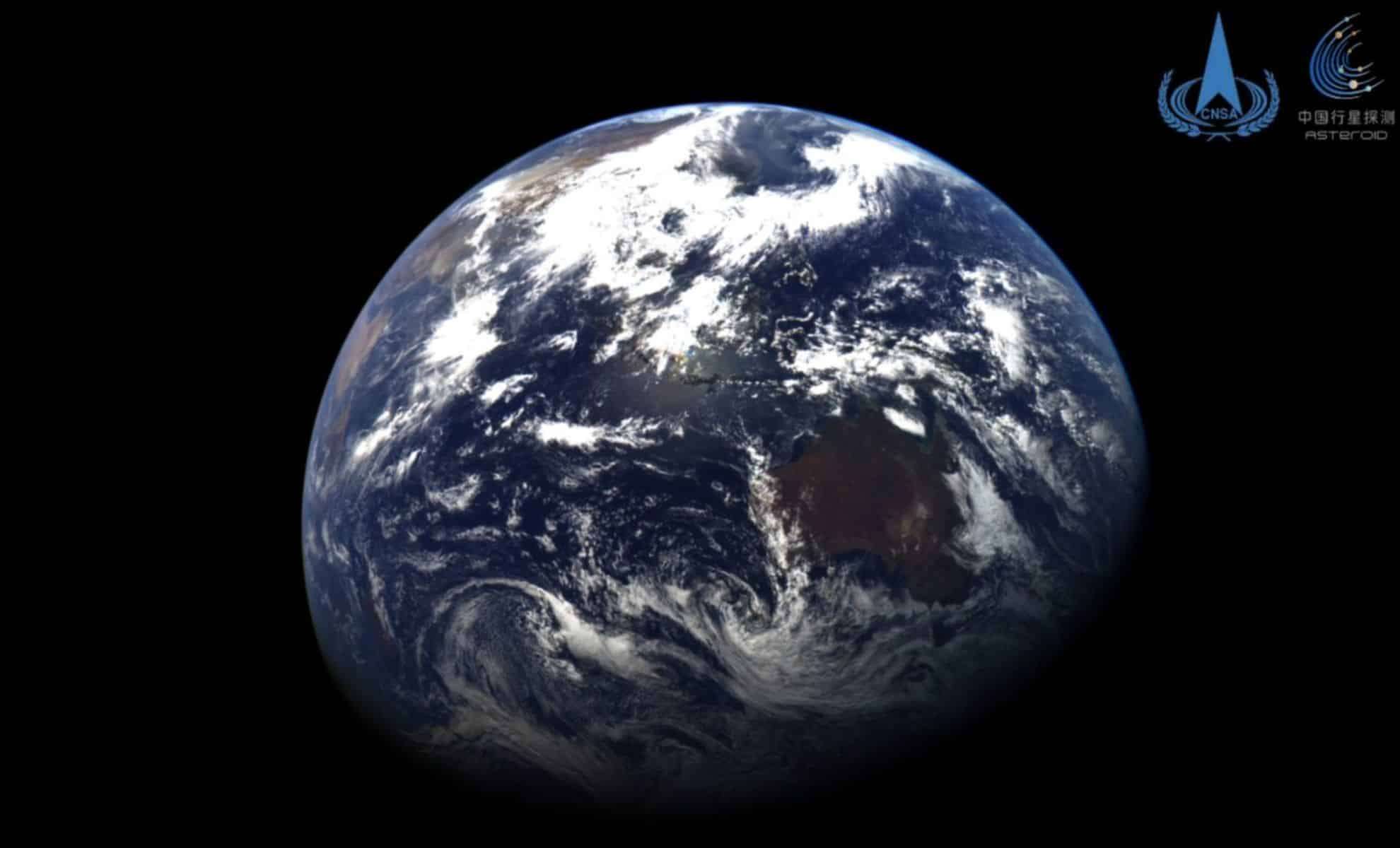
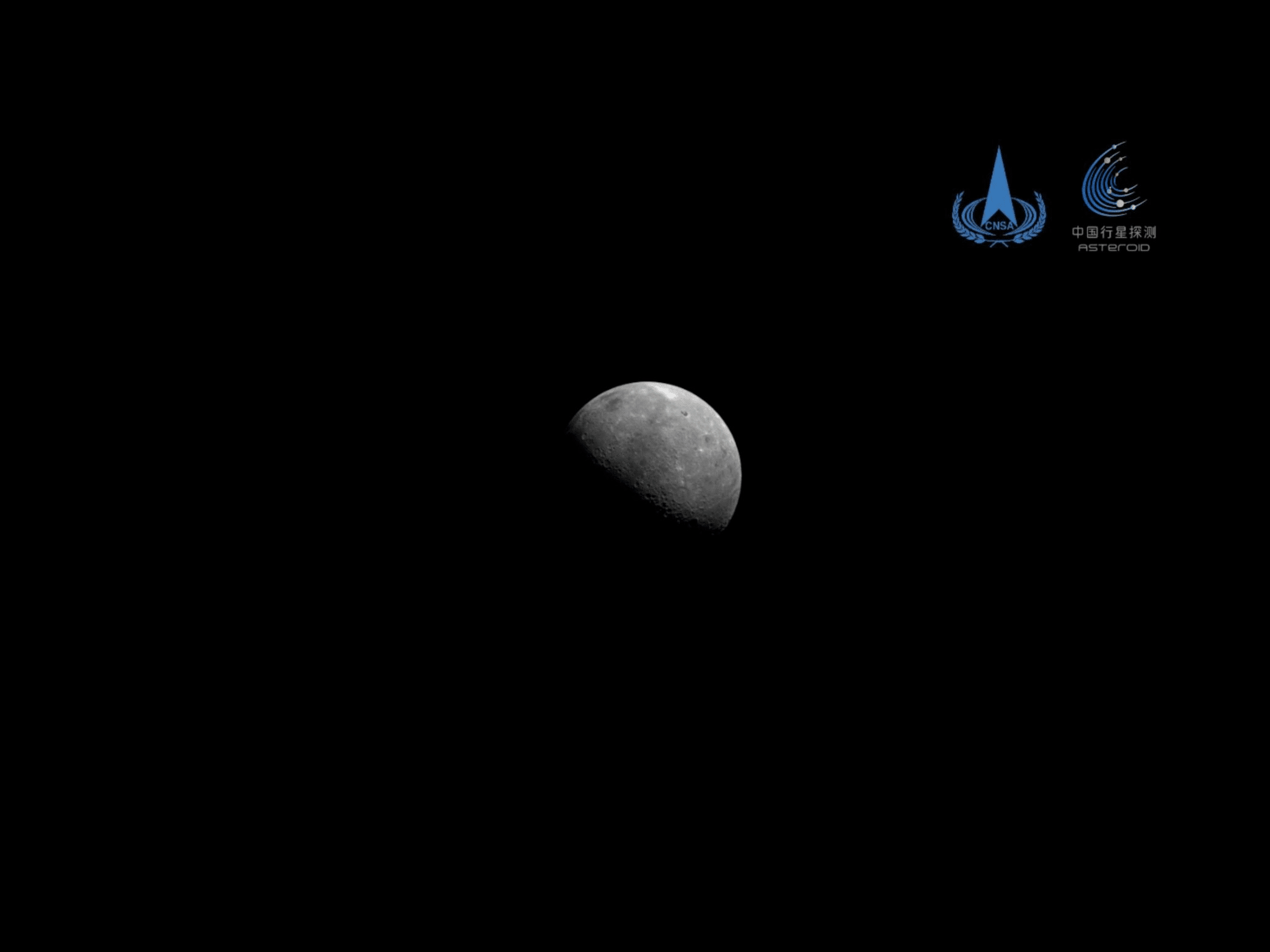
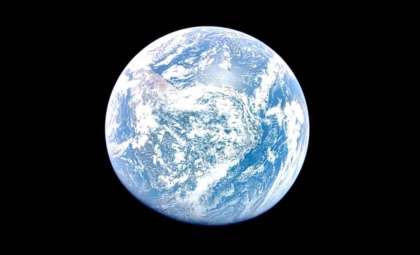
The China National Space Administration (CNSA) has released spectacular images of our planet and its lunar companion, captured by the Tianwen-2 spacecraft now journeying through space. Unveiled on July 1, 2025, these photos showcase the impressive capabilities of Tianwen-2’s sophisticated navigation sensor, which successfully imaged Earth and the Moon from a distance near 590,000 kilometers. Beyond their visual appeal, these images mark an important achievement in China’s evolving space exploration initiatives. Launched in May 2025, Tianwen-2 is embarking on a decade-long expedition to study asteroids and a remote comet within the main asteroid belt.
Critical Mission Objectives of Tianwen-2
The Tianwen-2 project plays a pivotal role in expanding China's reach in space research. After the success of previous ventures, the probe's mission includes in-depth exploration of asteroid 2016HO3, a near-Earth object, and comet 311P, positioned beyond Mars’s orbit. These celestial targets carry vital information about the solar system’s early history. Tianwen-2 aims to deepen scientific understanding of these primordial remnants, shedding light on the evolution of our cosmic neighborhood.
Following its launch on May 29, 2025, the spacecraft has demonstrated robust performance, as highlighted by the stunning images released on July 1. Taken from approximately 590,000 kilometers away, these visuals not only provide valuable scientific insights but also affirm the advanced technology onboard Tianwen-2.

Innovative Imaging Technology at Work
The clear images of Earth and the Moon were obtained through Tianwen-2’s narrow-field-of-view navigation sensor, a precision instrument designed to capture detailed images across vast distances. This sensor’s capacity to distinctly visualize both celestial bodies almost 600,000 kilometers away underscores its exceptional functionality. After transmission to Earth, scientists carefully processed the images, revealing their sharpness and accuracy.
What distinguishes this technology is its dual role in both navigation and imagery as the probe travels ever further from Earth. This capability is essential for long-range missions exploring the outer solar system. The fact that these photos were taken after the probe had journeyed beyond 12 million kilometers confirms Tianwen-2’s ability to perform complex tasks, paving the way for accurate sampling of asteroids and comets in the future.
Mission Progress and Upcoming Milestones
Having operated for over 33 days, Tianwen-2 continues to function flawlessly according to CNSA reports. Positioned more than 12 million kilometers from Earth, the spacecraft is successfully enduring the extreme environment of deep space. The mission plans to obtain samples from asteroid 2016HO3 and to conduct thorough analyses of comet 311P in the decade ahead.
Beyond showcasing China’s expanding spaceflight expertise, this mission enriches planetary science by providing new data about objects beyond our planet. Tianwen-2’s ongoing expedition will enhance our comprehension of the solar system’s origins and the materials that contributed to building planets and smaller celestial bodies.
The Tianwen-2 initiative is a significant element in China’s broader ambitions in space exploration. It reflects the nation’s commitment to becoming a dominant player in space alongside powers like the US and Russia. With continued advancements in robotic missions and human spaceflight, Tianwen-2 lays important groundwork for future ventures, including potential manned missions to both the Moon and Mars.
- Categories:
- News




0 comments
Sign in to Comment