
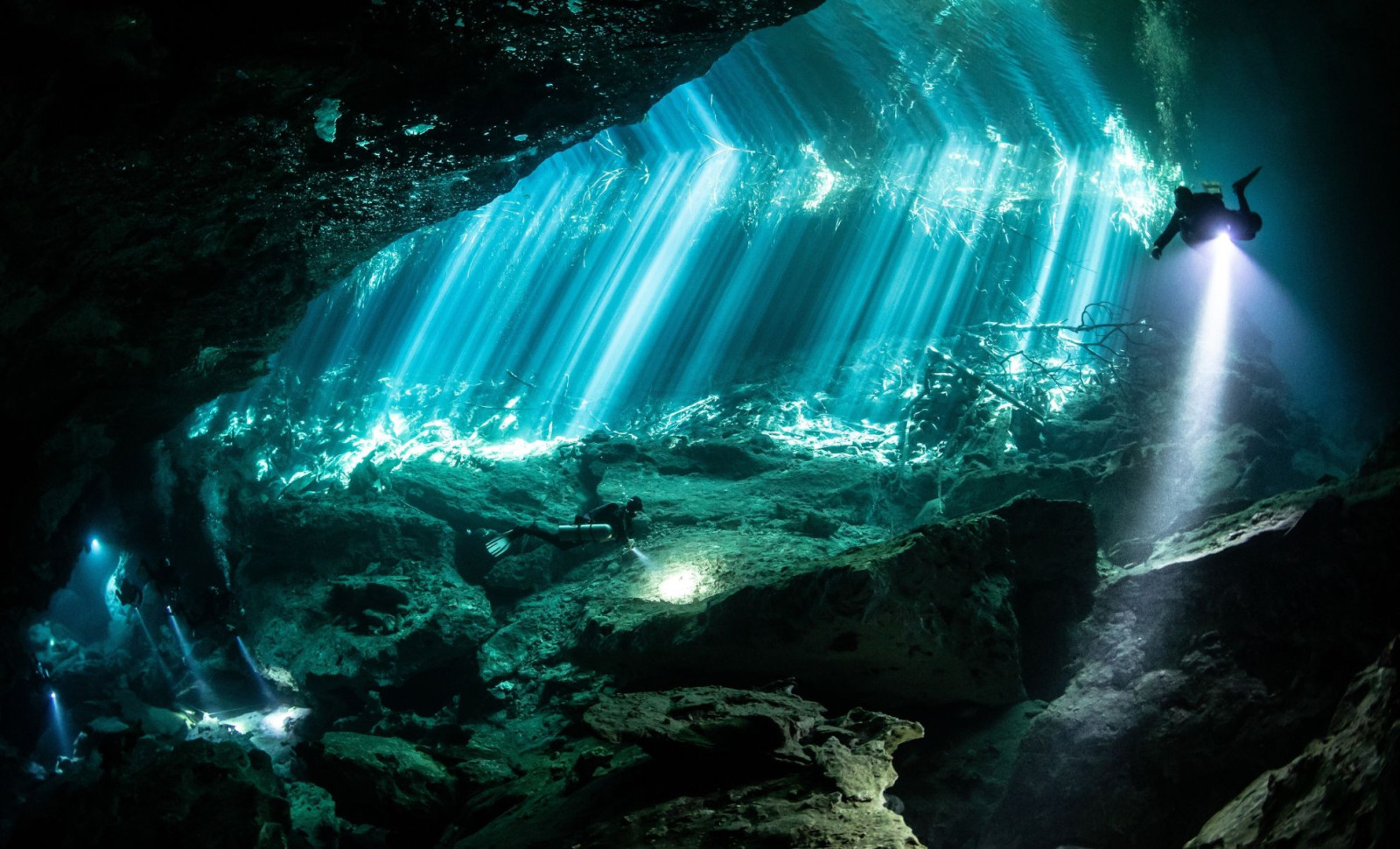
Archaeologists have long valued these cave networks as rich sources of historical data. The recent finding features in a series of discoveries published by PLOS One, offering fresh insights into the early human occupation of this area.
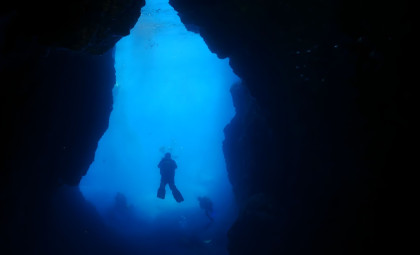
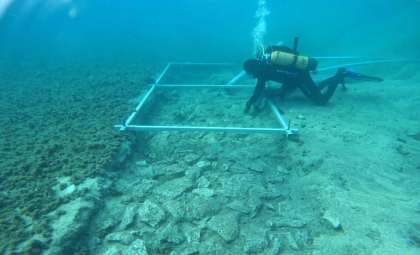
The ancient skeleton was located approximately 8 meters (26 feet) beneath the water's surface and nearly 200 meters (656 feet) from the cave’s entrance, a remote zone reachable only by expert divers equipped with specialized gear.
Octavio del Río, a cave-diving archaeologist working alongside Mexico’s National Institute of Anthropology and History (INAH), highlighted that the remains must have arrived at their location when the cave system was dry, thousands of years ago. Speaking to The Associated Press, he shared:

“with the distance (from the cave entrance) and the depth … it could not have gotten there at any other time than when the cave was dry, at least 8,000 years ago.”
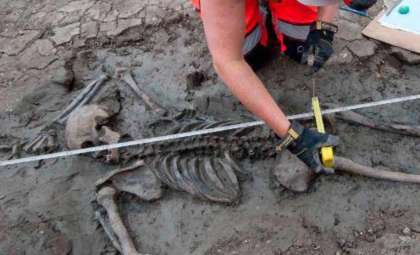
The skeletal remains rested atop a sediment mound within a confined inner chamber of the cave. Researchers suspect this positioning suggests a deliberate burial, potentially linked to ancient ritualistic practices.
“It suggests that it was a funereal deposit where the body was placed intentionally, perhaps as part of a ritual practice,” noted Del Río.
Yucatán Cenotes: Windows into Prehistoric Human Activity
The cenotes of the Yucatán Peninsula are natural sinkholes connected to extensive subterranean river systems. These formations have revealed a wealth of prehistoric treasures over recent decades.
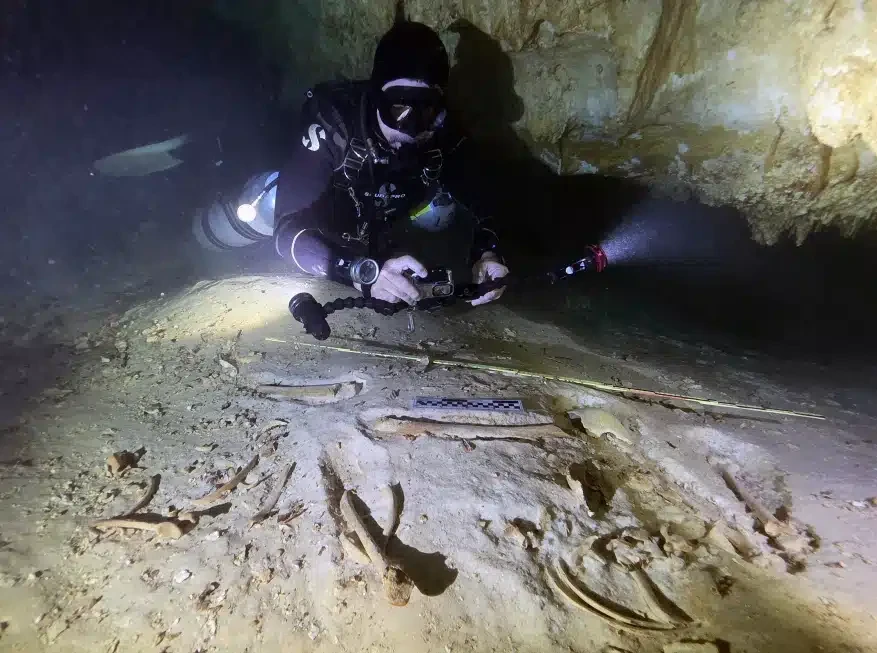
As noted in reports, this newly uncovered skeleton is the 11th prehistoric human skeleton found in these caverns over the last thirty years. Some of the older remains found nearby date back around 13,000 years, ranking them among the earliest human evidence in North America.
The caves' stable underwater environment enables the exceptional preservation of bones and artifacts that might otherwise degrade on the surface. Moreover, archaeologists have excavated more recent items, including 19th-century firearms and a small cannon, demonstrating the caves’ role in chronicling various historical eras.
Insights into Early Human Migration in the Americas
Beyond the remains themselves, the discovery sheds light on how early human groups settled the Yucatán Peninsula. Thousands of years ago, this region was far from the lush jungles and resorts we know today, instead resembling a dry plain dotted with cliffs.
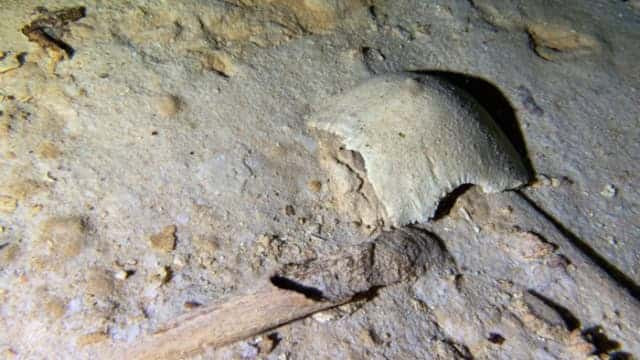
Luis Alberto Martos, director of archaeological research at INAH, explained that these findings contribute to a clearer picture of how early communities arrived and adapted to the landscape. He remarked:
“The puzzle of Yucatan prehistory is becoming better understood,” he added that: “There is a lot more study that has to be done in order to correctly interpret, [including] dating, some kind of photographic studies, and some collection.”
Genetic research increasingly supports the theory that some of these early populations migrated from Asia via the Bering land bridge, the once-existing link between Siberia and Alaska. Other evidence hints at the possibility of routes coming from South America, but investigations are ongoing.
Despite their scientific importance, these cave networks remain delicate ecosystems. Mexican officials are aiming to protect the site by establishing it as a national conservation area, with the Environmental Ministry targeting completion of this effort by 2026, according to APnews.
- Categories:
- News




0 comments
Sign in to Comment