
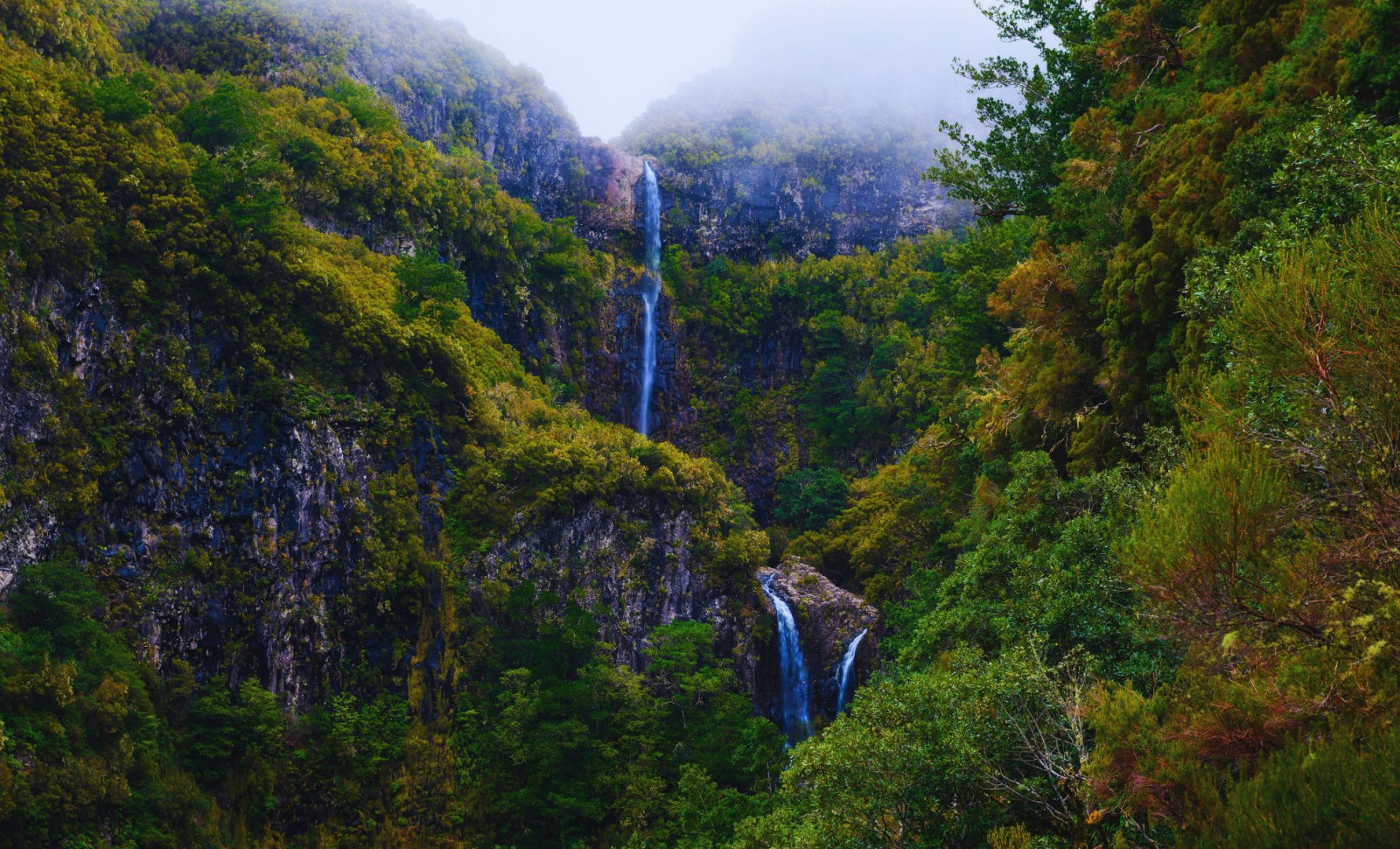
Hidden beneath Antarctica’s icy crust, researchers have discovered remnants of a temperate rainforest that flourished near the South Pole around 90 million years ago. Evidence such as fossilized roots, pollen, and spores reveals a thriving ecosystem that once existed where only ice and darkness prevail today.
This groundbreaking insight emerged during a 2017 research voyage on the RV Polarstern, where scientists from the Alfred Wegener Institute retrieved a sediment core close to Pine Island Glacier. Their results, published in Nature, represent the most southern proof of Cretaceous plant life found so far and imply Antarctica was once lush with vegetation.
Last-Minute Core Yields Extraordinary Findings
The key discovery occurred during what was planned as the expedition’s concluding sampling. After days of difficulty with a seabed drill that produced only barren sandstone, the team decided to collect one more three-meter core. This sample stood out immediately—it was denser, darker, and packed with organic matter.

“We immediately saw that something special was going on,” said Johann Klages, lead author of the study and a geologist at the Alfred Wegener Institute, as quoted by VICE.
Within the sediment, the researchers uncovered intricate root systems in pristine condition alongside abundant fossilized pollen and spores.
“It was full of pollen and spores and really diverse assemblages,” resembling the sample one might expect to find beneath a modern forest.
Thriving Forests under the Polar Night
Located a mere 500 miles from the South Pole at about 82° latitude, this ancient woodland supported an unexpectedly diverse plant community. Its proximity to the pole is remarkable, given that the region would have endured nearly four months of complete darkness annually. Yet, the forest thrived despite these extreme conditions.
The Nature study suggests that elevated atmospheric carbon dioxide levels, potentially as high as 1,680 ppm, may have trapped enough heat to sustain growth during extended polar nights. By contrast, current CO₂ measurements hover around 400 ppm.
These observations imply that Antarctica experienced a warmer, ice-free climate during the mid-Cretaceous. As Klages mentioned, the average yearly temperature in the area hovered around 12°C, with summer highs near 19°C.
“It really was that warm,” he said. “That amazed us, of course, but also the climate modelers because no one expected such extreme values very close to the South Pole.”
Such conditions would have allowed continuous vegetation growth even during long periods without sunlight and might have supported other life forms, though no animal remains were found within the core.
Implications of an Ancient Greenhouse Earth
The study highlights that Earth's prehistoric greenhouse climates were shaped not only by CO₂ concentrations but also by whether polar ice sheets were present.
“The presence of an ice sheet makes a huge difference, even if you have very high CO2 concentrations,” Klages said. “That is really important for us to know, and to think about how we can better preserve ice sheets.”
Researchers also explored climate models simulating modern Earth under similar atmospheric conditions in Antarctica. Although detailed forecasts weren’t discussed, the significance of ice coverage in regulating temperatures was emphasized.
- Categories:
- Science


0 comments
Sign in to Comment