
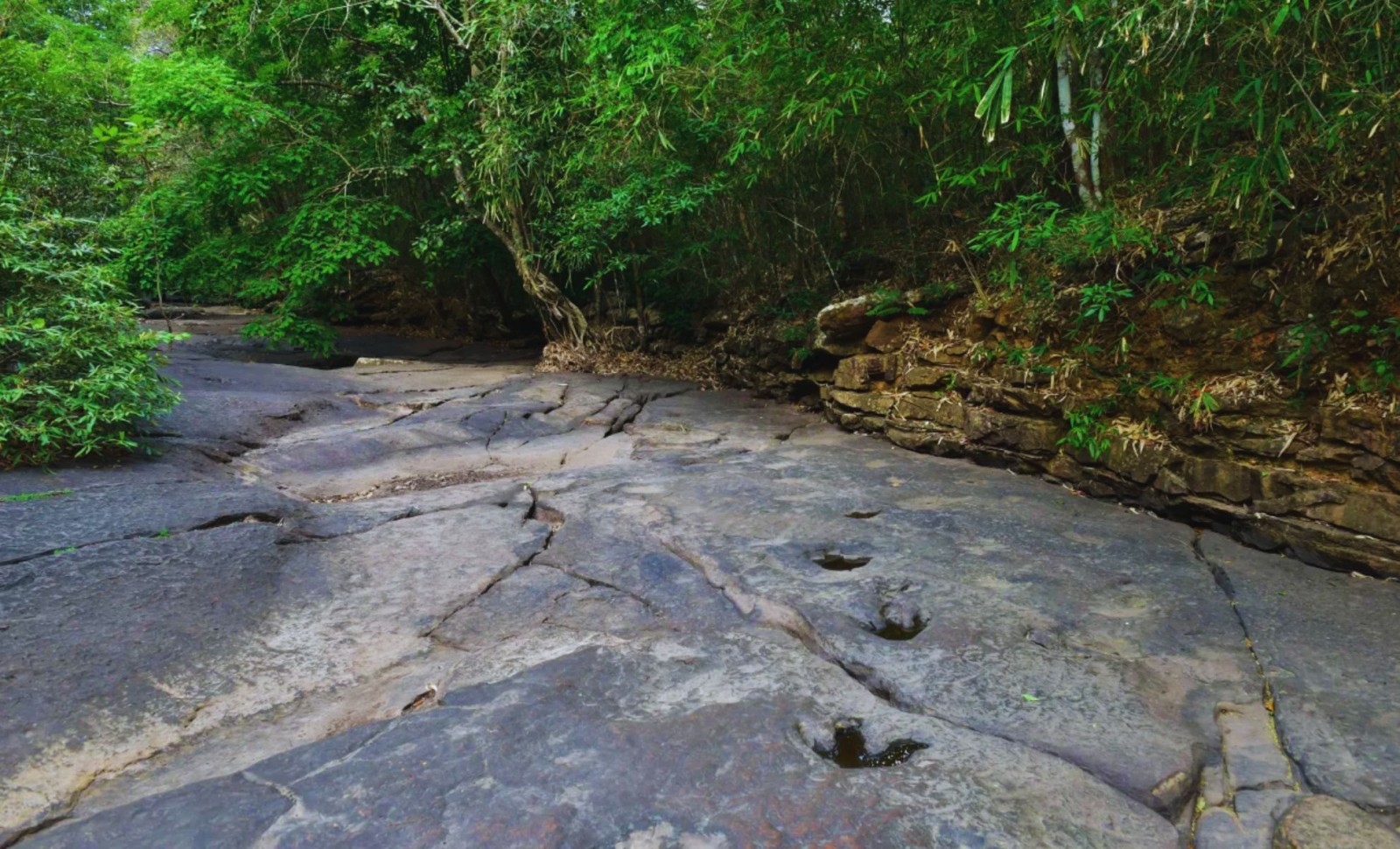
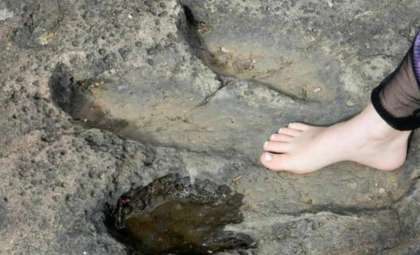
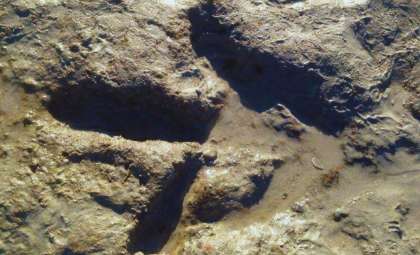
For decades, scientists have wondered if dinosaurs roamed the Amazon, though definitive evidence was lacking. That changed when a team from the Federal University of Roraima (UFRR) uncovered more than ten fossilized footprints in northern Brazil, dating back over 103 million years.
The tracks emerged from sediment in the Tacutu Basin, a region situated near Bonfim in Roraima. This discovery offers the first direct proof that dinosaurs inhabited the Amazon region, a significant milestone given the difficulty of fossil preservation in this humid environment.
An Unexpected Paleontological Treasure
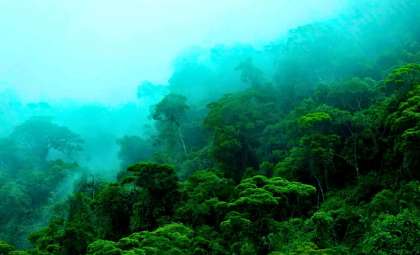
Working in the Amazon rainforest has posed serious challenges for paleontologists due to its thick vegetation and fluctuating conditions. Fossils typically degrade quickly here because heavy rains, intense heat, and erosion break down exposed rock surfaces.

🦕 Groundbreaking discovery in Brazil: Scientists find dinosaur footprints in the Amazon rainforest for the first time, dating back over 100 million years. A major leap for paleontology in South America. 🌿🦖 #Fossils #Amazon #Dinosaurs #ScienceNews pic.twitter.com/DvPUg6fTEa
— Tom Marvolo Riddle (@tom_riddle2025) November 20, 2025
As reported by CNN Brazil, well-preserved fossils typically require undisturbed rock layers. In exposed areas like the Amazon, natural weathering often obliterates delicate fossil traces.
“Tacutu was a valley with several river channels that converged. It was a place with abundant water and vegetation,” Lucas Barros, a recent master’s graduate from the Federal University of Pampa (Unipampa), explained.
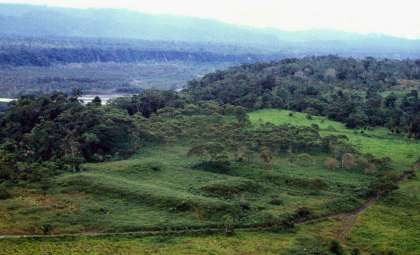
The footprint discovery owes much to the local terrain. Unlike much of the rainforest, a patch of savanna-like vegetation helped protect these tracks from rapid erosion.
“If a valley has a lot of moisture, the riverbanks will also be damp. After the animal makes a footprint, it gradually loses moisture and hardens, which allows it to withstand the burial process,” he added.
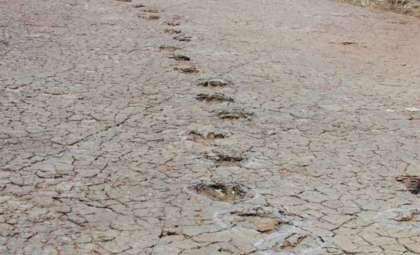
Though the exact dinosaur species responsible remain unidentified, scientists have categorized several based on footprint shapes and sizes. These include predatory raptors, bipedal herbivores known as ornithopods, and heavily armored dinosaurs called xireóforos. This variety indicates that the Amazon ecosystem of that era was rich and multifaceted.
Leveraging Advanced Methods to Reveal the Past
The footprints were initially discovered in 2014, yet early investigations yielded limited results due to a lack of advanced tools and expertise. It wasn’t until 2021 when Barros and his team reinvigorated the project with modern technology.
Using photogrammetry, which constructs detailed 3D models from high-resolution images, the researchers digitally replicated the footprints. This approach captured even the smallest details with remarkable precision.
“This allows us to digitize the model with high accuracy. It is through this process that we describe the footprints. That’s what I did during my master’s degree: I described the footprints and discovered new outcrops,” explains Professor Vladimir Souza.
Challenges and Opportunities Ahead
Even with these exciting findings, the path forward is complex. A primary obstacle lies in accessing the footprint sites, as much of the land is privately owned and some landholders are hesitant to permit further study.
Barros emphasizes that limited access restricts exploration, leaving many promising fossil sites unexplored.
Nonetheless, he believes hundreds more footprints remain buried throughout the region. His team is already exploring additional locations, including the Jabuti Indigenous Land, where four new potential sites have been identified.
- Categories:
- Science





0 comments
Sign in to Comment