
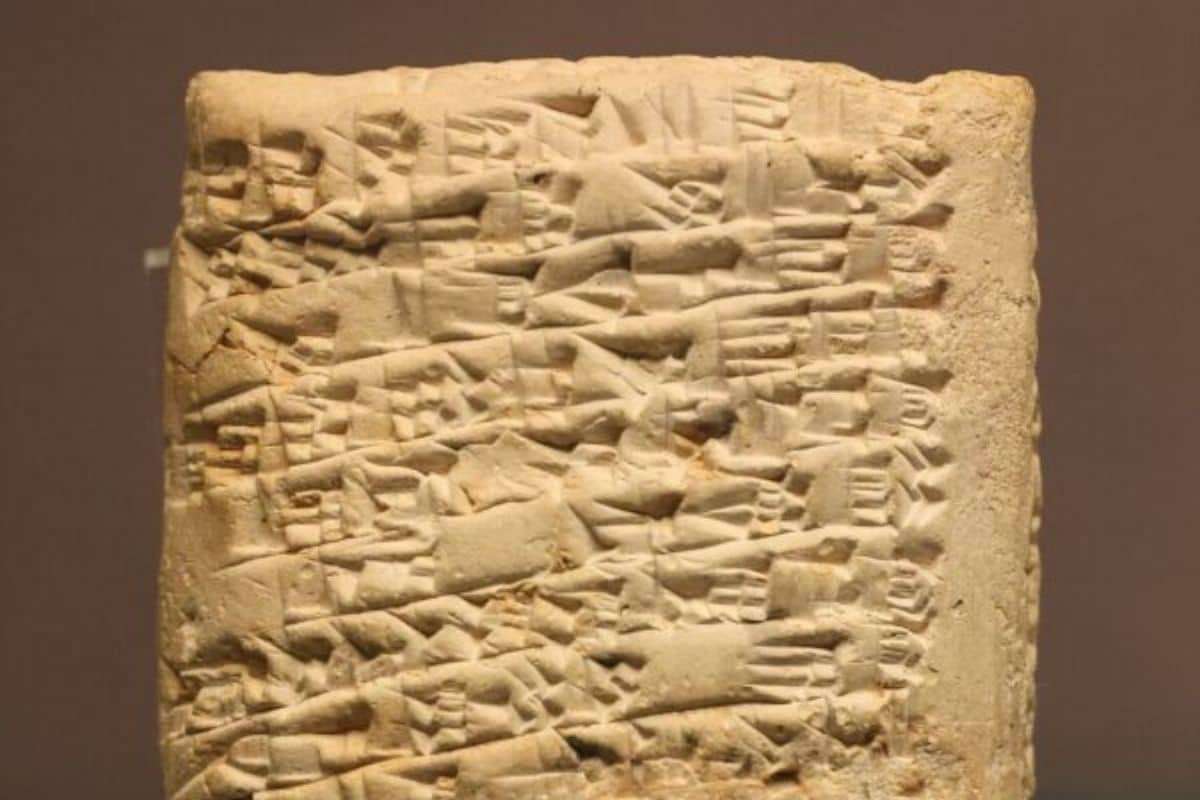
A nearly 4,000-year-old clay tablet uncovers the story of a Mesopotamian merchant named Nanni who took action when dissatisfied with a recent purchase. After acquiring copper from the trader Ea-nāṣir, Nanni was so displeased with the product quality that he composed a formal complaint.
A Troubling Commercial Exchange
Inscribed in Akkadian, the complaint was translated by Assyriologist Adolf Leo Oppenheim in 1967 and uncovered during excavations in the ancient city of Ur (modern-day Iraq).
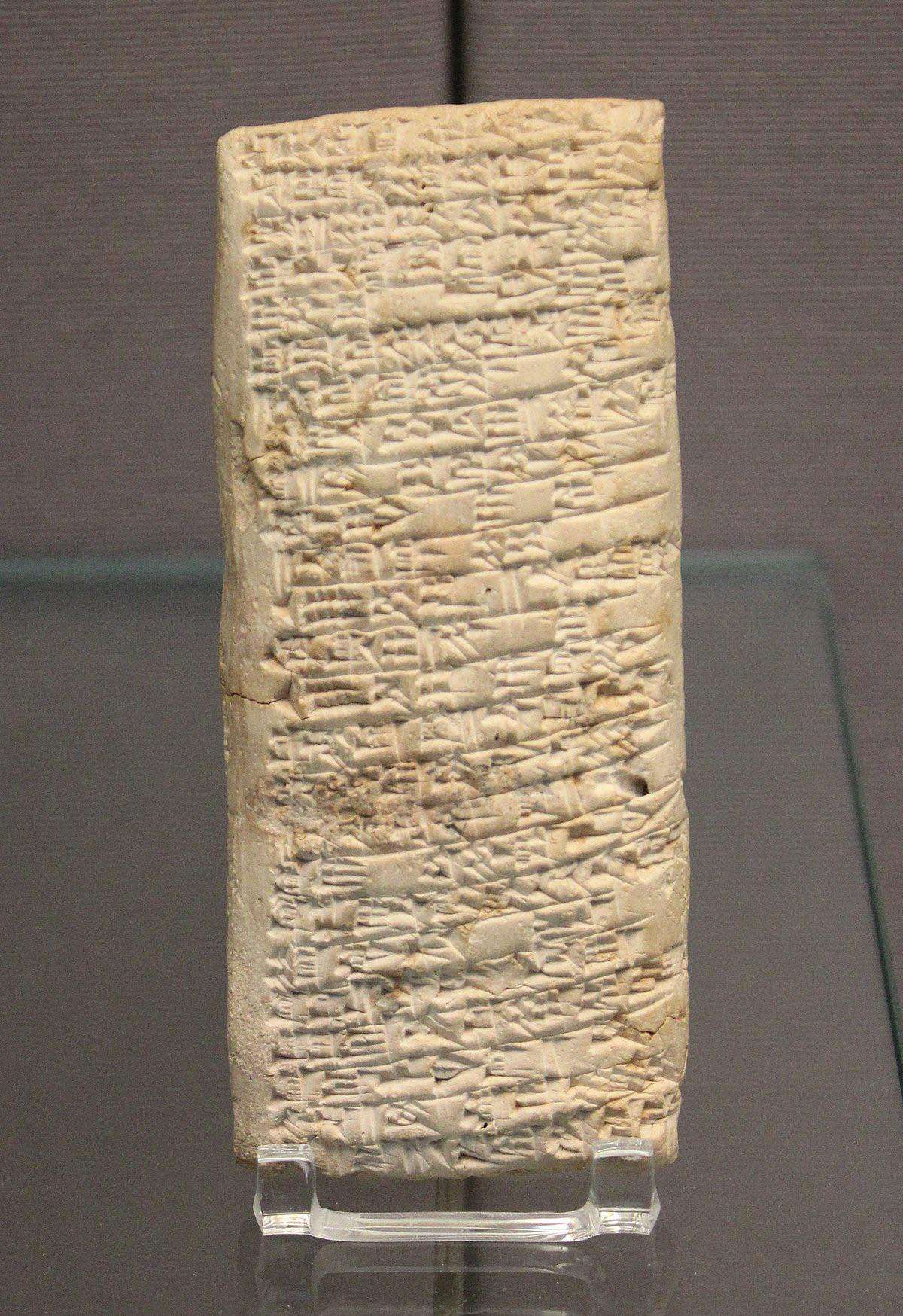
This small tablet, measuring just 11.6 by 5 centimeters (about 4.6 by 2 inches), documents Nanni’s grievances with the copper he received from Ea-nāṣir. His frustration is evident: “You put ingots [of copper] which were not good before my messenger and said, ‘If you want to take them, take them, if you do not want to take them, go away!” Nanni wrote.
Nanni’s dissatisfaction wasn’t trivial; he had already paid for a specified amount of copper only to find that the material was substandard.

The Significance of Copper in Ancient Mesopotamia
Copper played a vital role in Mesopotamian society, as it was the primary component of the bronze alloy that characterized the Bronze Age. The region’s thriving trade networks heavily relied on copper for crafting tools, weapons, and everyday items. The Tilmun copper referenced in Nanni's letter was particularly prized and widely exchanged throughout Southern Mesopotamia.
By 1750 BCE, however, the quality and availability of Tilmun copper were diminishing, increasingly supplanted by rival sources from Magan.
An Intense Letter of Protest
Science Alert reports that Nanni’s dissatisfaction extended beyond the poor copper quality. He was also outraged by the disrespect shown to him and his envoys. He wrote, “I have sent messengers, gentlemen like ourselves, to collect the bag with my money (deposited with you) but you have treated me with contempt by sending them back to me empty-handed several times.”
Despite multiple efforts to reclaim his copper, Nanni’s messengers were repeatedly dismissed. “Is there anyone among the merchants who trade with [Tilmun] who has treated me in this way? You alone treat my messenger with contempt!” he exclaimed.
His frustration was twofold: subpar goods and neglectful treatment. The complaint, etched on both sides of the tablet, offered a comprehensive and impassioned appeal, demanding a full refund and insisting on receiving only the highest-grade copper—willing to personally inspect every ingot if necessary.
The Enduring Impact of Nanni’s Tablet
The tablet, discovered among others in Ea-nāṣir’s residence, offers rare insight into the commercial customs of the era. Nanni’s grievance stands as the earliest documented customer complaint, though it was not unique.
Historical evidence suggests Ea-nāṣir frequently provoked clients. Yet he was also thorough in documentation, as numerous complaint tablets found at the site testify to contentious business relations.
- Categories:
- Science










0 comments
Sign in to Comment