
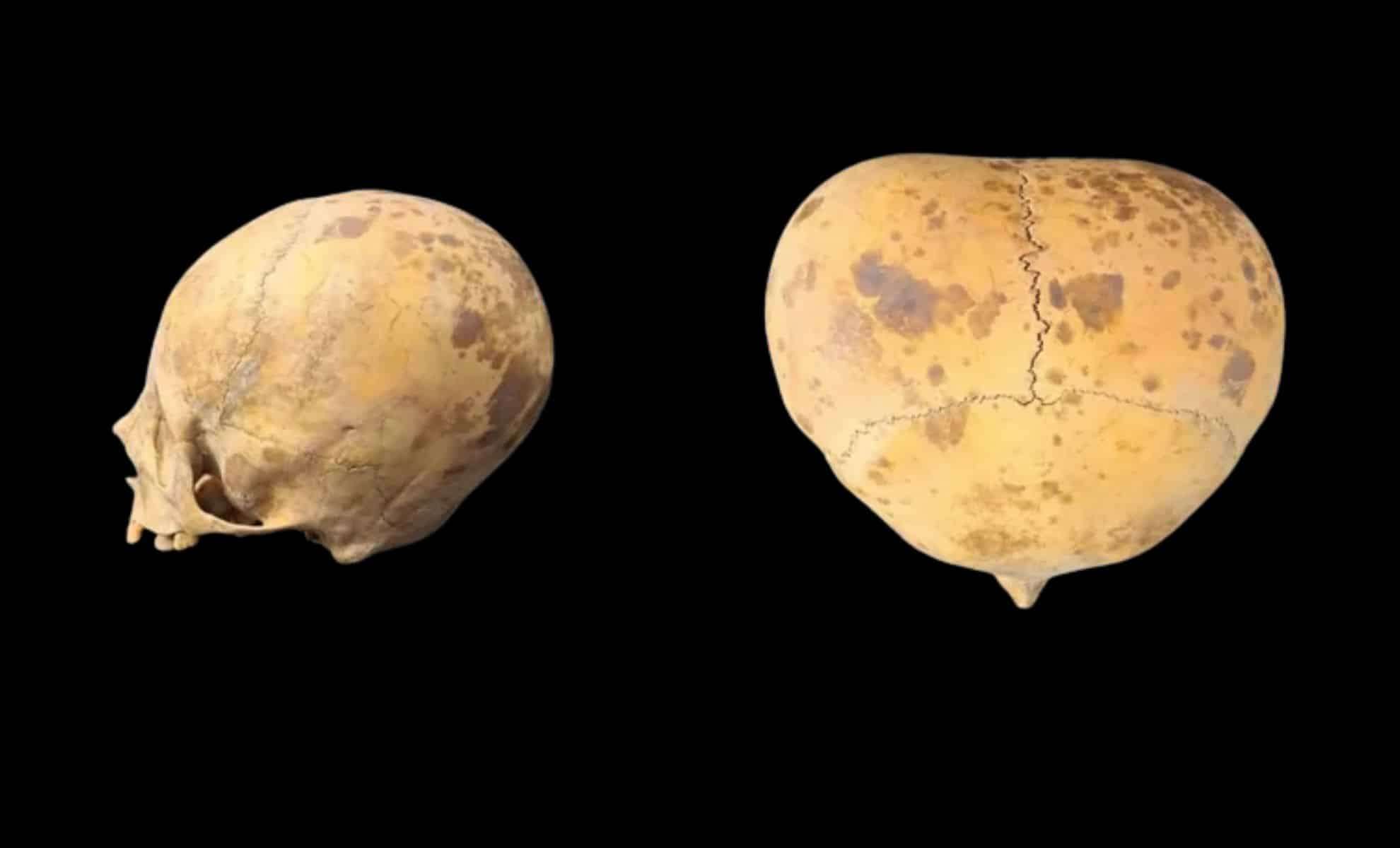
A remarkable archaeological discovery in northwest Argentina has drawn worldwide fascination due to the distinctive shape of a child’s skull. Found during the laying of a water pipeline, the unusual cranial form initially fueled speculation about extraterrestrial origins. Nonetheless, specialists quickly identified the shape as the result of an age-old cultural tradition called cranial deformation, a practice observed in multiple societies across history.
Unearthing History in San Fernando Del Valle De Catamarca
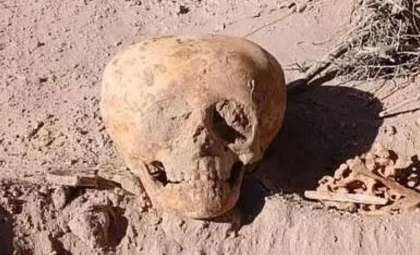
The child’s skull, estimated to be from a child aged 3 to 4 years, was uncovered on May 27 amid construction activity in San Fernando del Valle de Catamarca, a northern Argentinian town. Workers installing a pipeline came across remains dating back over 700 years. Further excavations revealed more than just the child’s head—from burned and fractured llama bones to a ceramic container characteristic of Incan pottery from their occupation period between 1430 and 1530.
The child’s remains were found positioned in a fetal pose, but the skull’s asymmetrical and flattened rear caught immediate attention. This prompted initial theories linking the shape to alien origins until Cristian Sebastián Melián, lead of Catamarca’s Provincial Directorate of Anthropology, explained the distinct appearance as an example of cranial shaping, a culturally significant technique from ancient times.

History Behind Cranial Modification
Cranial modification, involving the deliberate reshaping of an infant’s skull, dates back thousands of years and has been performed in various global cultures. This alteration was typically achieved by binding a baby’s head with cloth or applying pressure with pads to the skull’s front or rear. Rather than harm, this was a symbol of social status and cultural identity.
Melián pointed out that the child’s skull likely exhibits an “oblique tabular” form of cranial modification, where the skull’s front and back are flattened with broad sides. Padding was commonly used to achieve this shape. Researchers generally agree that this practice posed minimal health risks and was deeply embedded culturally.
Global Presence of Skull Shaping Traditions
This form of cranial deformation was widespread, practiced by many ancient groups worldwide—from South American civilizations to communities in Europe, Africa, and Asia. While shapes and techniques varied, the intent often focused on marking cultural belonging, social rank, or adherence to tradition.
Though largely obsolete today, some communities continue ceremonial cranial shaping. Additionally, modern medicine employs similar methods for certain infants, using helmets to correct skull asymmetry.
Link to Incan Culture and Related Artifacts
The San Fernando del Valle de Catamarca skull is vital for understanding Incan cultural practices, as the artifact assemblage implies the child lived under Inca influence in the Andean region. The discovery of pottery shards and animal remains alongside the skull connects the find to this ancient empire.
Melián also revealed that the Provincial Directorate of Anthropology curates a collection exceeding 100 ancient skulls, many displaying similar cranial alterations. Notably, approximately 90% show either erect or oblique tabular cranial forms, underscoring how prevalent and culturally significant head shaping was in ancient South America.
- Categories:
- News












0 comments
Sign in to Comment