

Our planet's iconic green foliage might not always have defined its appearance. New findings published in the International Journal of Astrobiology propose that Earth could have exhibited a vivid purple glow, attributed to an ancient type of life unlike that we see today. This revelation challenges current perceptions of Earth’s ancient environment and hints at diverse possibilities for extraterrestrial life.
Ancient Life Fueled by a Distinct Pigment
Scientists including Dr. Edward Schwieterman from the University of California, Riverside, and Professor Shiladitya DasSarma of the University of Maryland, both linked to NASA, investigated the idea that early organisms might have used a pigment other than chlorophyll to capture sunlight. Instead, life on primordial Earth may have harnessed the simpler molecule known as retinal.
While chlorophyll reflects green light, retinal absorbs green wavelengths and reflects red and blue light. As a result, early microorganisms equipped with retinal-filled pigments created a landscape tinted purple. These microbes primarily belonged to a group called archaea, such as the hardy halobacterium, which still thrives in extreme environments like the Dead Sea.

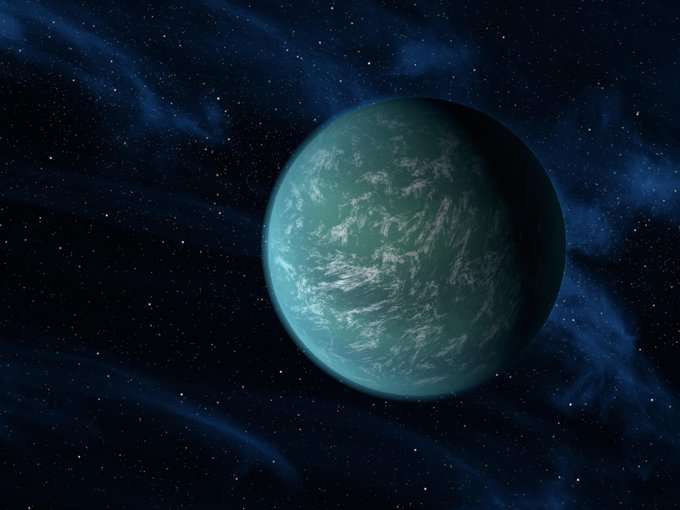
Dominance of Retinal Life Before Atmospheric Oxygen Rose
The era preceding the Great Oxygenation Event (GOE) over 2 billion years ago was characterized by scarce atmospheric oxygen. During this timeframe, photosynthesis relying on retinal was probably more effective under Earth’s then conditions than the chlorophyll-driven photosynthesis that dominates now.
Because this purple-hued epoch lacks direct fossil traces, researchers rely on biochemical studies of current archaea. These organisms thrive in low-oxygen habitats and absorb specific light wavelengths differently than plants, favoring retinal-based photosynthesis adapted to ancient Earth.
This evidence supports the idea that Earth’s original coloration reflected a vast biological system that preceded the rise of green flora. Only after oxygen reached higher levels during the GOE did chlorophyll-rich organisms become widespread, shaping today’s green-dominated ecosystems.
Might Purple Life Reemerge?
Although chlorophyll-based photosynthesis is now prevalent, retinal-dependent life forms have persisted. Species like halobacteria continue to inhabit secluded environments, maintaining this ancient metabolic route.
As climate change disrupts Earth's ecosystems, scientists propose that falling oxygen levels could enable retinal-centered life to make a comeback. The study suggests that the potential for Earth’s biological systems to revert to earlier forms is scientifically plausible.
Could Distant Worlds Shine Purple?
Given retinal-based photosynthesis once flourished on Earth, similar life forms might exist on exoplanets that have yet to experience oxygenation events. This concept has inspired NASA to steer its astrobiology efforts toward detecting such life.
Professor DasSarma notes NASA's commitment to assembling expert teams to improve telescope capabilities for analyzing exoplanet light signatures. If retinal-based alien life reflects red and blue light but absorbs green, observing a subtle purple tint on a foreign planet could hint at the presence of early life.
Variations in planetary coloring—from chlorophyll, retinal, or other unknown pigments—may serve as vital biosignatures. As researchers state, this idea “has pointed science and astronomy towards a fresh insight into our planet’s earlier past,” potentially guiding future explorations far beyond Earth.











0 comments
Sign in to Comment