
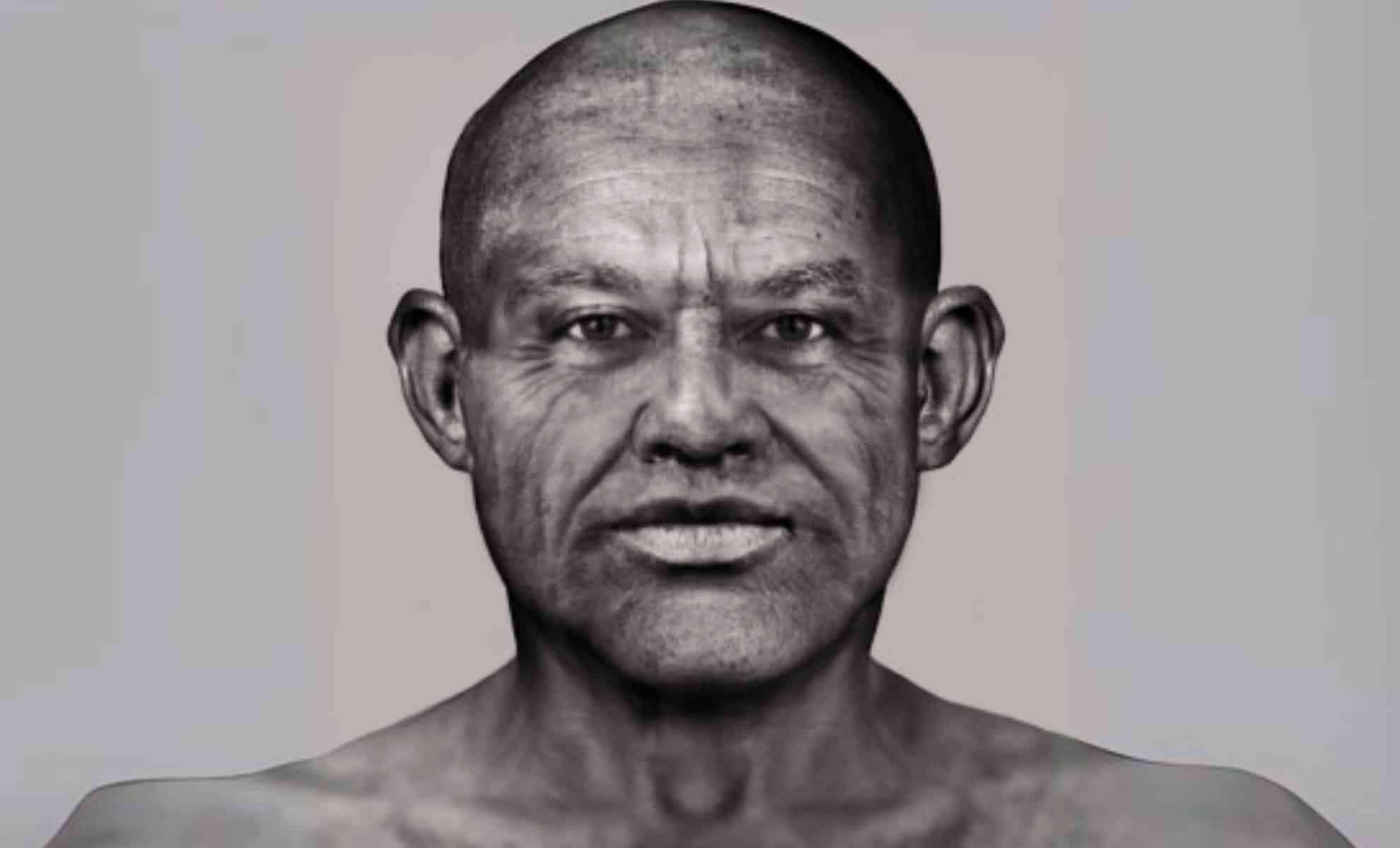
Scientists have successfully sequenced the entire genome of a man from Ancient Egypt who lived more than 4,500 years ago, during the era when the first pyramids were being built. This remarkable achievement sheds light on the intricate makeup of Egypt’s early inhabitants, revealing a more connected ancient world than scholars had imagined. Published in Nature, the research uncovers genetic links between this individual and communities in the Fertile Crescent, a region spanning parts of present-day Iraq, Turkey, and Iran.
Uncovering the Individual: Insights Into His Life
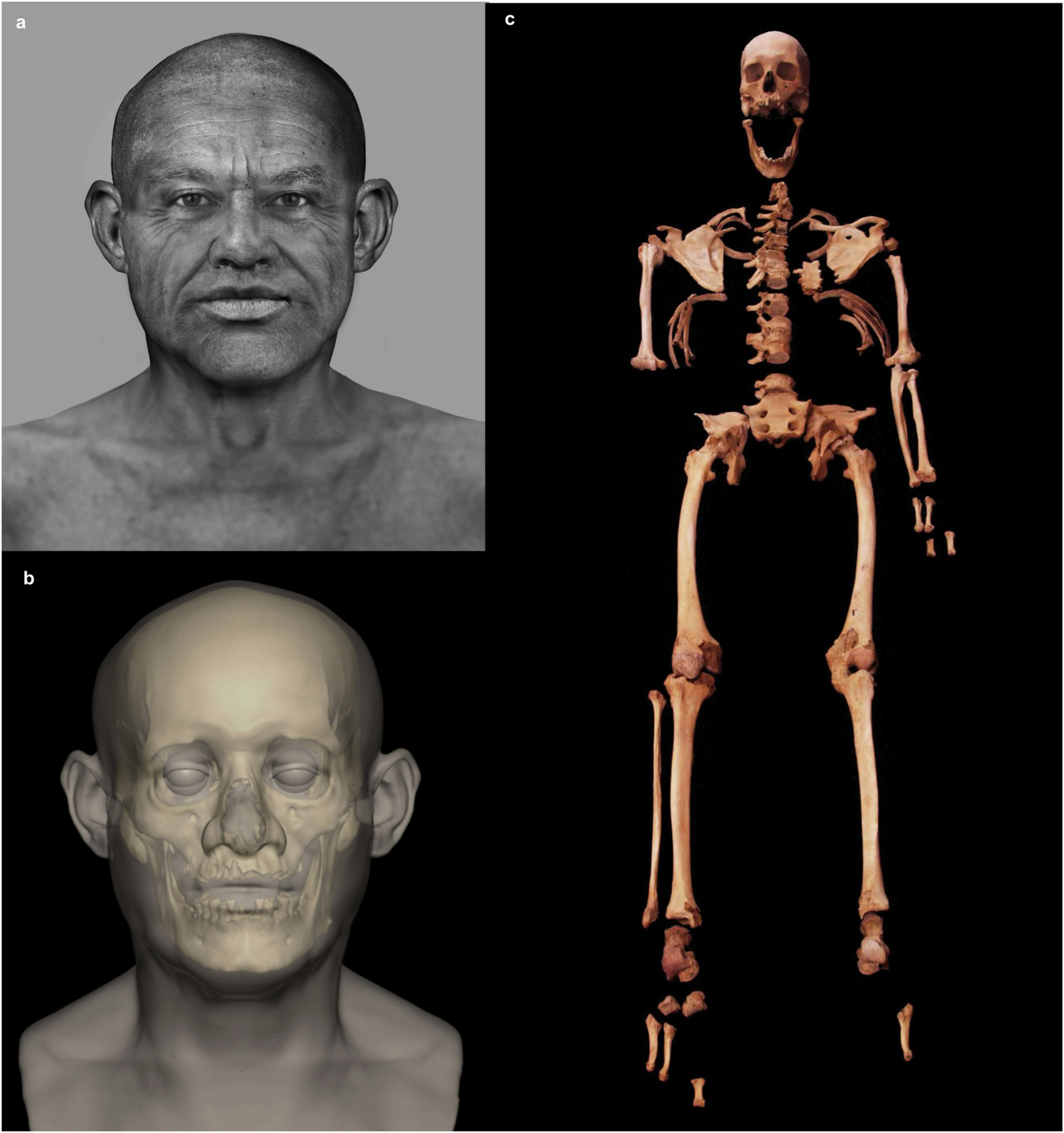
The genome belongs to a man who lived between 2855 and 2570 BCE, an interval known as the Early Dynastic Period of Egyptian history. This era was marked by the emergence of Egypt’s iconic monumental structures, including its inaugural pyramid. His remains were found in the noteworthy Nuwayrat necropolis, located 265 kilometers south of Cairo, an area rich in historical value. His burial involved placing his body inside a sizable ceramic container within a rock-cut tomb, implying he was part of an elite social class.
Although his tomb suggests a person of status, his bones indicate a life of physical work. He was likely a potter, engaging in labor-intensive, repetitive tasks, a profession seldom associated with high-status burials. Estimates put his age at death between 44 and 64 years, with his skeleton bearing signs of severe arthritis, reflecting the hardships of his physically demanding livelihood.

Genetic Findings: Linking Egypt to the Fertile Crescent
The study’s standout finding is the detailed DNA analysis of the man's remains. Approximately 80% of his genetic information traces to North African populations, while roughly 20% aligns with groups from Mesopotamia, particularly the Fertile Crescent. This blend indicates that ancient Egypt's people shared genetic ties with neighboring regions, challenging the long-standing assumption that Egyptians evolved in isolation.
Pontus Skoglund, a Francis Crick Institute geneticist, emphasized that this marks the first significant genetic data obtained from Ancient Egypt, a location where DNA preservation is notoriously difficult. Technological advancements have now made it possible to extract genetic material from ancient remains, even in Egypt’s challenging climate, where DNA typically breaks down quickly.
Reconstructing Lifestyle and Diet
Beyond genetic insights, isotopic tooth analysis revealed details about the man’s upbringing and nutrition. The data suggest he was raised in the Nile Valley and consumed a diet rich in wheat, barley, and animal proteins, common staples of ancient Egyptian life. His skeletal remains show signs consistent with physically demanding work, such as arthritis and stress fractures, supporting the idea that he was a potter engaged in repetitive manual labor.
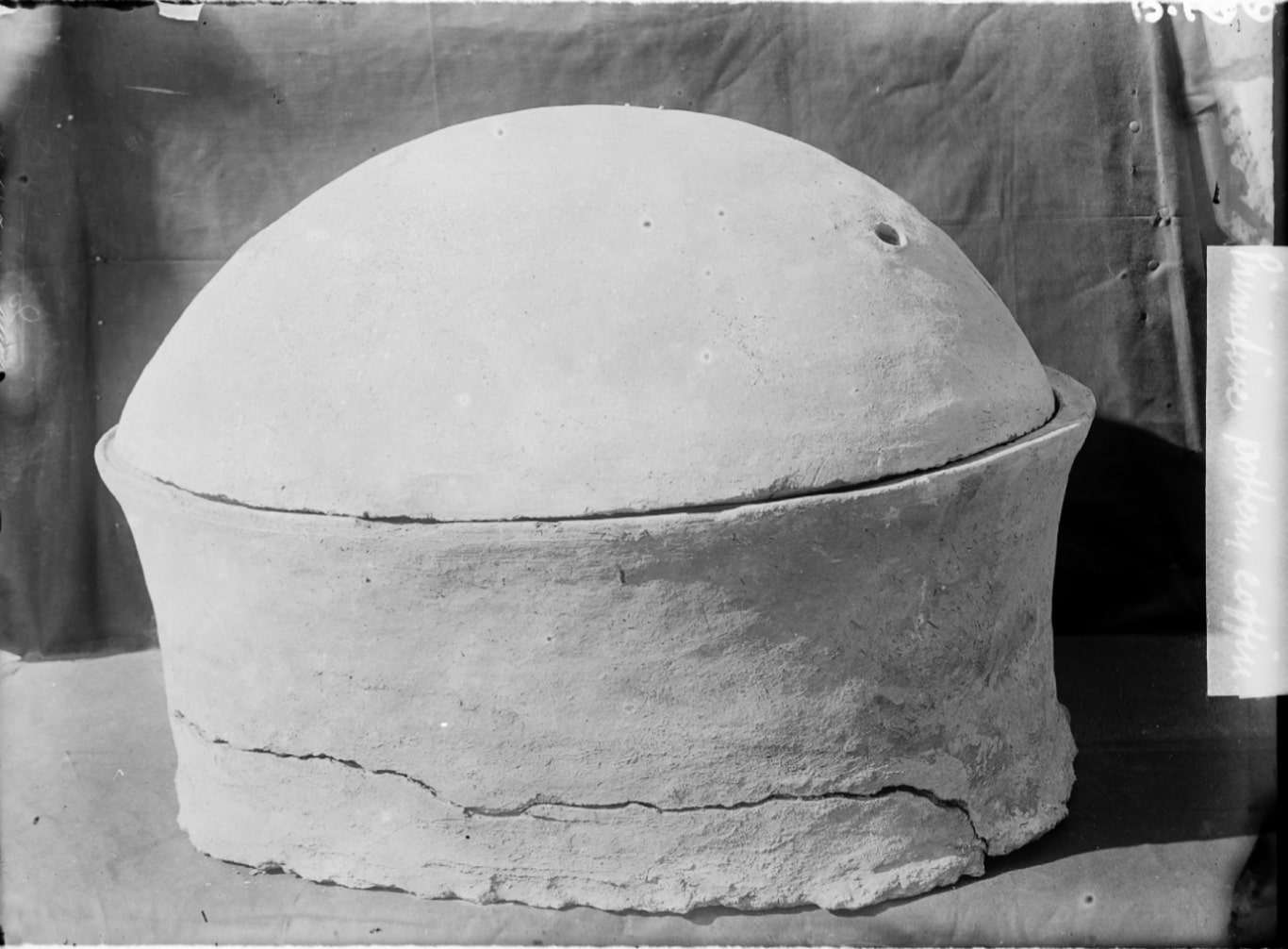
Although his burial was relatively prestigious, his skeletal evidence reflects the rigors of hard work, illustrating the fluidity within ancient Egyptian society where skilled craftspeople could achieve elevated social positions. His high status could have stemmed from exceptional talent or other societal factors beyond his physical occupation.
Broader Significance: Rethinking Ancient Connections
This discovery highlights the genetic diversity within early Egypt and its ties to the broader ancient world. The mixed heritage of this individual presents evidence of extensive interaction between Egypt and the Fertile Crescent, implying that migration and cultural interchange were more prominent than previously believed. Archaeological findings bolster this view, revealing trade in domesticated animals, farming techniques, and innovations like the pottery wheel.
The research strengthens the idea that ancient Egypt's population was not isolated but actively engaged in a large network of human migration and cultural diffusion. With ongoing improvements in DNA technology, this study paves the way for more discoveries that will deepen our comprehension of Egypt's genetic and cultural landscape and its connections to neighboring civilizations.
- Categories:
- News




0 comments
Sign in to Comment