
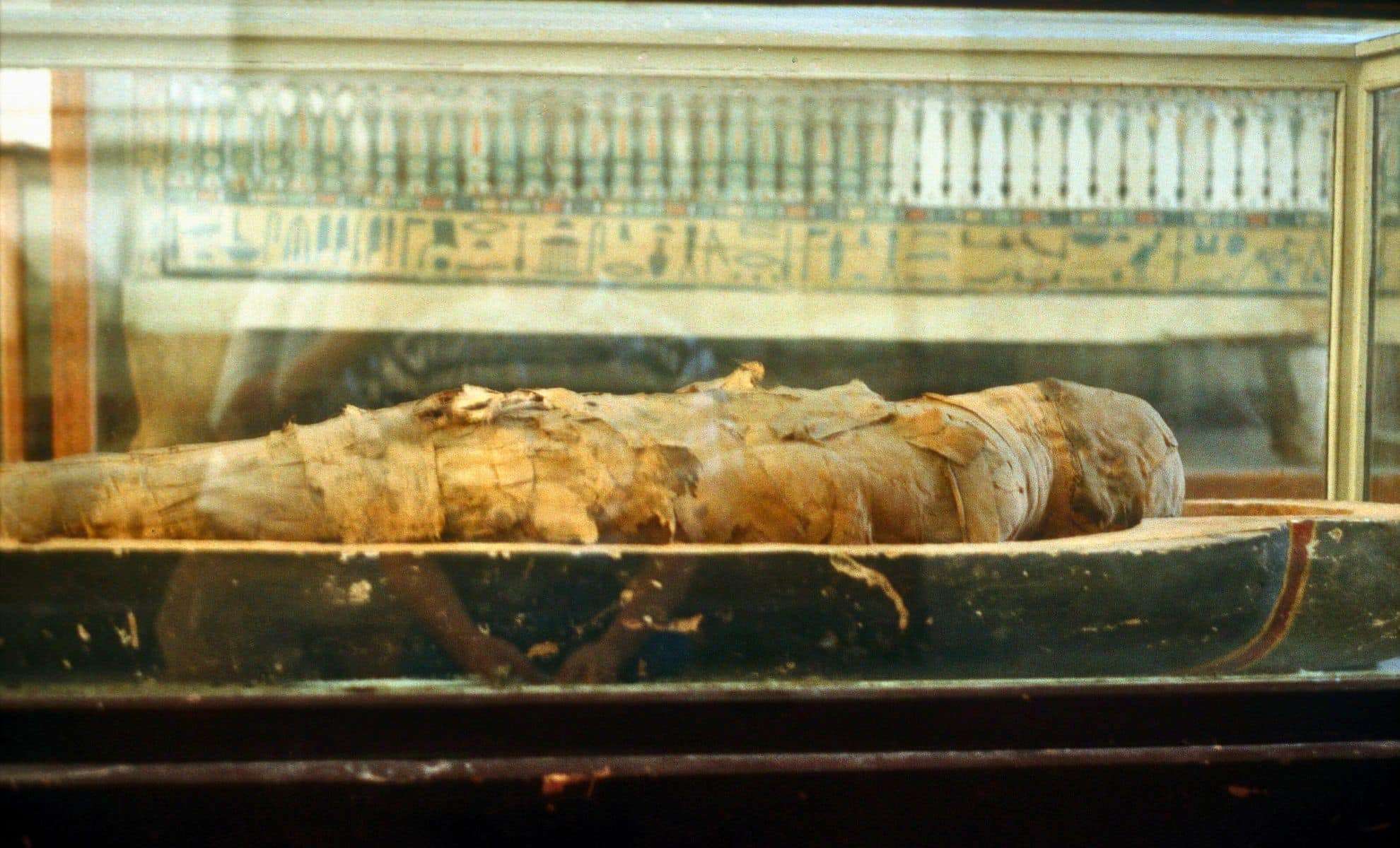
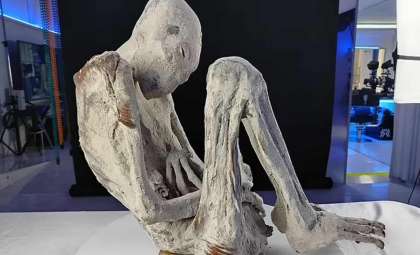
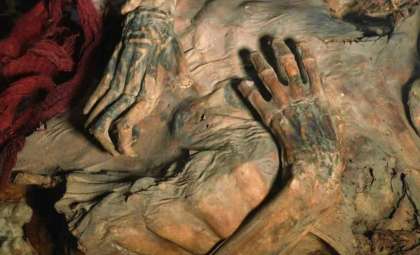
Scientists have uncovered that some Egyptian mummies emit oddly pleasant aromas, according to new research published in the Journal of the American Chemical Society. These scents could provide valuable insights into ancient social hierarchies, burial customs, and the progression of embalming techniques. The study combined sophisticated chemical instrumentation with the sensitive detection abilities of trained human sniffers.
Using Both Instruments and Human Scent Detection to Decode Mummies
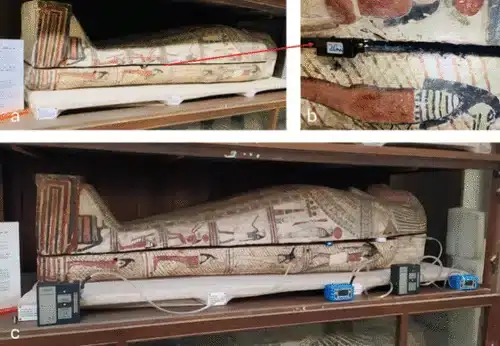
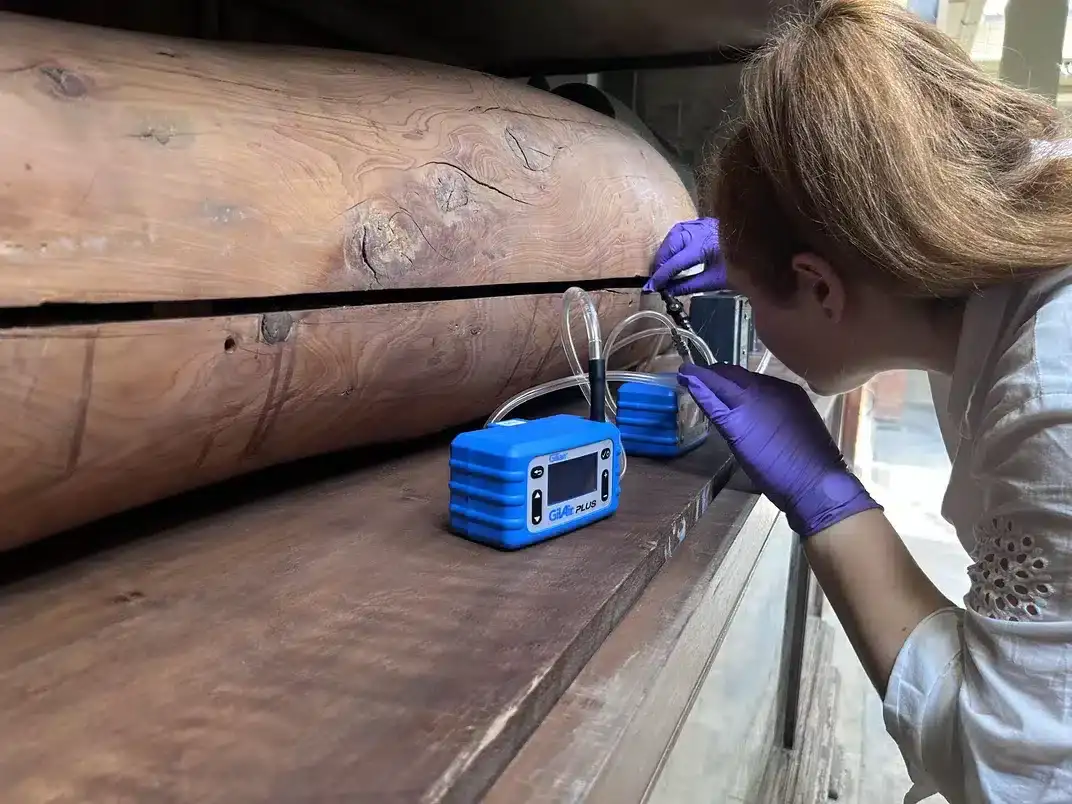
A multinational team from Slovenia, the UK, Poland, and Egypt partnered with the Egyptian Museum in Cairo to carefully sample air near nine mummies. Instead of handling the delicate corpses directly, they placed fine tubes near each specimen to gently extract gas molecules. The collected samples underwent gas chromatography and mass spectrometry to pinpoint over 70 volatile organic compounds.
Alongside the chemical tests, experts trained a select group to identify and characterize the odors using descriptive sensory terms. These volunteers’ feedback validated the chemical findings. Descriptions of the mummies’ fragrances evoked terms akin to those used in perfume shops—sweet, woody, and spicy aromas.

Abdelrazek Elnaggar, co-author from the University of Ljubljana, explained that the mummies were chosen to showcase a diverse range of smells and historical backgrounds. The project aimed to develop a noninvasive means to explore cultural heritage, involving Egyptian specialists and conservators.
Fragrances Reflect Social Status in Ancient Egypt
The intensity and character of the scents also correlated with the individual’s social rank. Wealthy Egyptians, such as nobles and royals, were embalmed with fresh salts, exotic herbs, and rare resins, resulting in more elaborate and richer fragrances.
Conversely, mummies from less affluent backgrounds often received reused embalming materials, leading to simpler and less enduring aromas.
One standout specimen, interred with a gilded funerary mask, exhibited the most complex and potent scent profile despite being among the oldest samples.
Tracing Mummification’s History Through Aromas
The art of deliberate mummification began around 2700 B.C.E., while natural preservation through desert conditions dates back to approximately 5000 B.C.E. The technique evolved significantly during the New Kingdom era starting near 1500 B.C.E., adopting intricate blends of oils, resins, and drying agents responsible for the lingering sweet and woody odors noted in the study.
Smell as a Link to Ancient Heritage
Scent is uniquely tied to memory and feelings via brain regions such as the amygdala and hippocampus. The research team included Egyptian conservators who regularly handle these artifacts, ensuring that odors from the mummies were accurately distinguished from those related to conservation treatments.
Barbara Huber, an archaeochemist at the Max Planck Institute of Geoanthropology (not involved in the study), notes that olfaction has been underutilized in museums. She suggests that incorporating smell could create a powerful "aromatic experience" that connects visitors more deeply with history, beyond visual displays.
The researchers even speculate about developing a "mummy fragrance" so future museum audiences might encounter these ancient scents firsthand and perhaps even purchase them. As the study concludes, “Everyone would like to smell like ancient Egyptians: sweet, woody and spicy.”
- Categories:
- News





0 comments
Sign in to Comment