
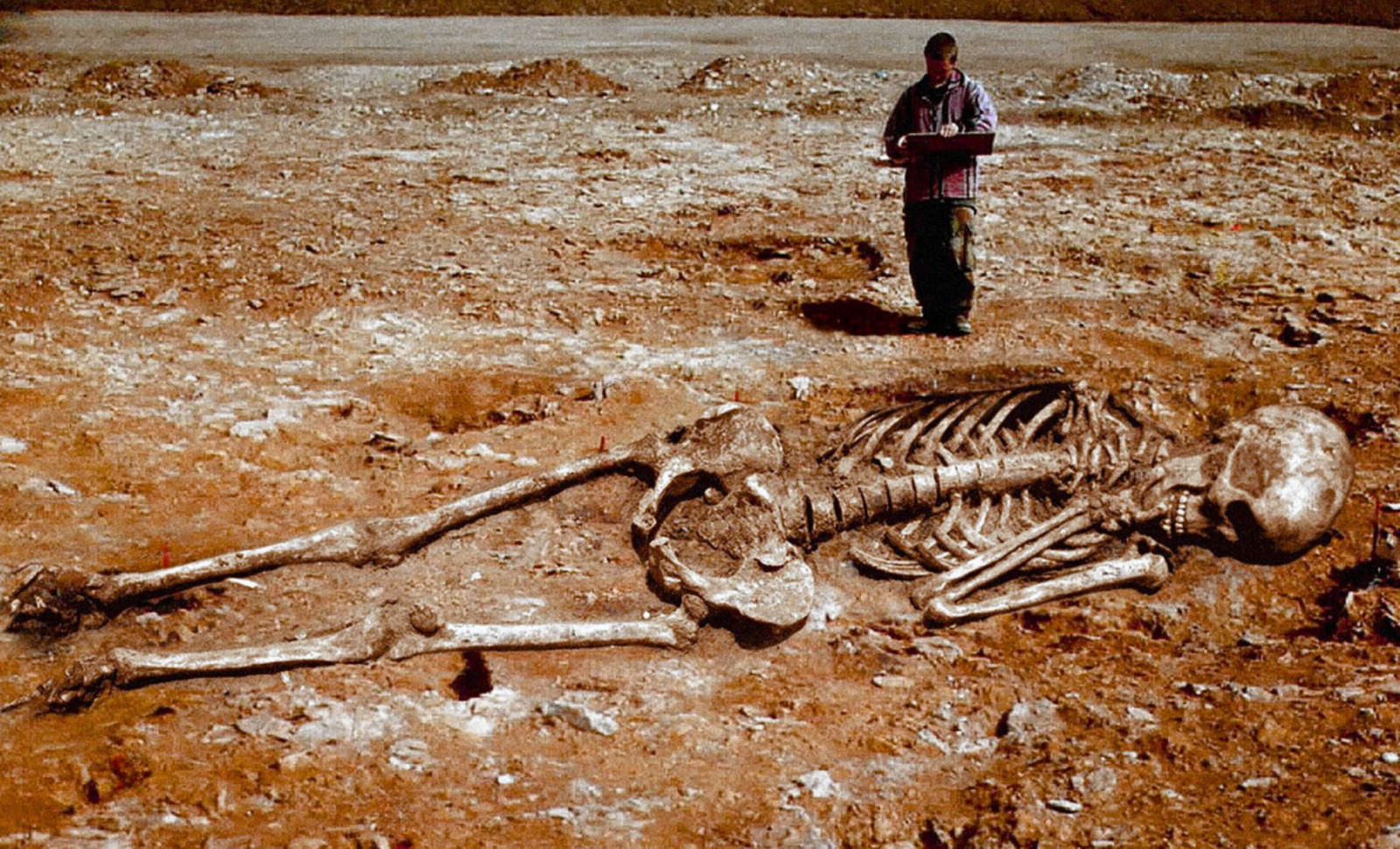
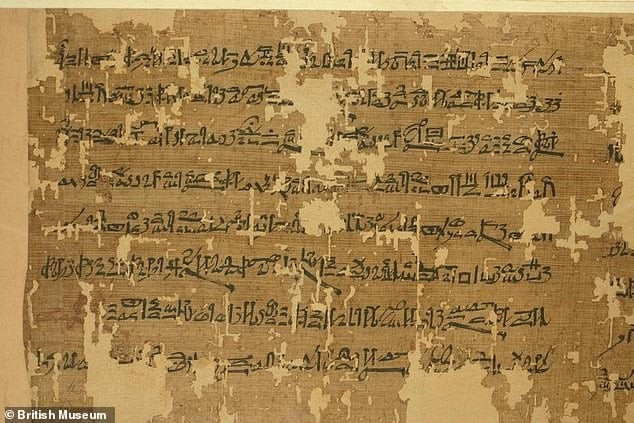
A remarkable Egyptian manuscript dating back 3,300 years and preserved in the British Museum is gaining fresh interest from experts in archaeology and biblical studies. Numerous researchers are revisiting this text, interpreting it as a rare external mention of unusually tall individuals historically associated with the Levant region.
Known as Papyrus Anastasi I, this ancient scroll features a segment that refers to warriors from ancient Canaan, described as standing well above two meters tall. These figures, identified as part of a nomadic group called the Shasu, are portrayed as measuring “four or five cubits from head to foot”—a statement that has ignited debate over its potential relationship to biblical giants like the Nephilim and Rephaim.
Interest surged after an in-depth analysis by the Armstrong Institute of Biblical Archaeology connected the Shasu descriptions to scriptural accounts of giants that once inhabited Canaan.

An Ancient Caution: Giants Among the Hills?
Papyrus Anastasi I is traditionally considered a diplomatic training text from Egypt’s 19th Dynasty, likely crafted during the reign of Ramesses II in the late 13th century BC. Within the text, the scribe Hori cautions travelers to beware of narrow passes occupied by aggressive Shasu fighters. Experts translating this document provide the key fragment:
“Some of them are of four cubits or of five cubits, from head to foot, fierce of face, their heart is not mild, and they hearken not to coaxing.”
Using the Egyptian royal cubit measurement of roughly 52.5 centimeters, these figures imply a stature ranging from approximately 2.1 to 2.6 meters. This height surpasses typical adult statures in the Levant during the Late Bronze Age.
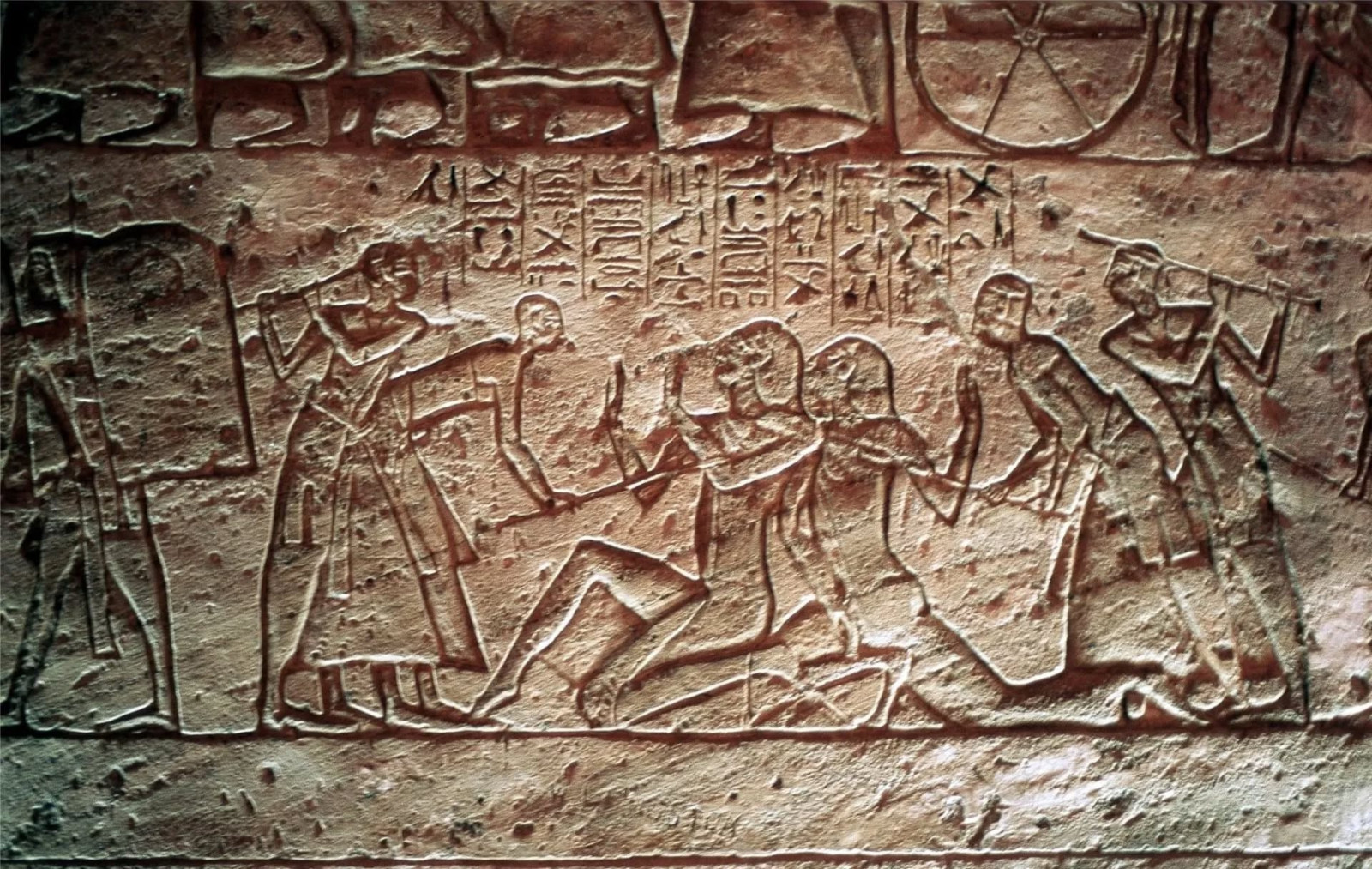
Scriptural verses from Numbers 13:33 and Deuteronomy 3:11 portray the Anakim and Og of Bashan as towering giants. Corresponding Egyptian reliefs depicting the Battle of Kadesh circa 1274 BC show Shasu captives portrayed as larger than Egyptian soldiers.
Scholars Challenge Giant Interpretations
The British Museum categorizes Papyrus Anastasi I as a literary artifact crafted mainly for scribal education rather than as a factual historical record. The text incorporates elements of exaggeration, parody, and fictional scenarios typical of scribal exercises from the era.
Archaeological excavations in Canaan, Transjordan, and southern Syria have yet to reveal any human remains or architectural evidence indicating the existence of individuals exceeding normal height ranges. Studies conducted in northern Jordan and Israel’s hill country consistently report human skeletal data aligned with standard Late Bronze and Iron Age dimensions.
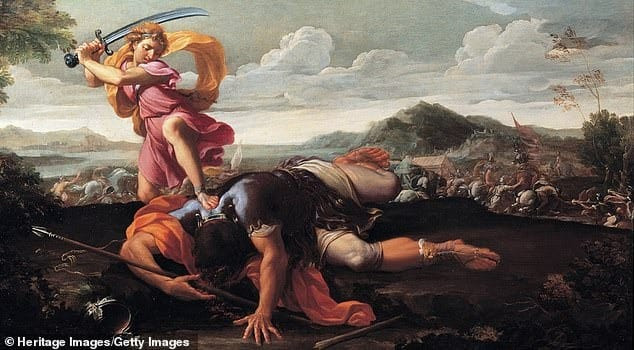
Dr. Michael Heiser, a specialist in Semitic languages and biblical theology, has pointed out in public talks that references to giants in scriptures like Genesis 6:4 may primarily serve symbolic or theological narratives. The EBSCO Research Starter on Nephilim describes various interpretations, including the view that the Nephilim represent metaphorical elite figures or simply formidable warriors.
Importantly, Papyrus Anastasi I does not mention supernatural entities, divine origins, or mythical traits. Its depiction of the Shasu emphasizes their physical intimidation and military threat within geographic constraints.
Echoes of Scripture in Ancient Inscriptions
A 13th-century BC Canaanite tablet from Ugarit references a deity named Rapiu connected to Ashtaroth and Edrei—locations named in Joshua 13:12 as part of Og’s kingdom. The Armstrong Institute highlights these parallels, though no direct archaeological evidence confirms these biblical ties.
Egyptian Execration Texts, ritual clay inscriptions designed to curse enemies, mention the Iy Aneq, a group some scholars associate as forerunners of the biblical Anakim. Dating from the 20th to 19th centuries BC, these texts support possible linguistic continuity across regional sources.
The Shasu themselves are well-documented nomadic tribes active in the southern Levant from the 15th to 13th centuries BC. Egyptian military campaigns under Pharaohs Seti I and Merneptah placed the Shasu in regions later settled by the early Israelites.
Institutional Viewpoints and Ongoing Research
The British Museum, custodian of Papyrus Anastasi I since 1839, describes the papyrus as a pedagogical artifact demonstrating scribal skill and knowledge of New Kingdom Egypt’s geography. Official descriptions omit any linkage to biblical giants or anthropological interpretations.
Media outlets such as the New York Post have featured stories emphasizing the papyrus’s purported connections to biblical gigantism, but such views lack support from peer-reviewed scholarship.
Upcoming presentations at 2026 conferences hosted by organizations like the American Schools of Oriental Research (ASOR) and the Society of Biblical Literature (SBL) promise updated evaluations of the papyrus and associated ancient texts.
- Categories:
- Science







0 comments
Sign in to Comment