
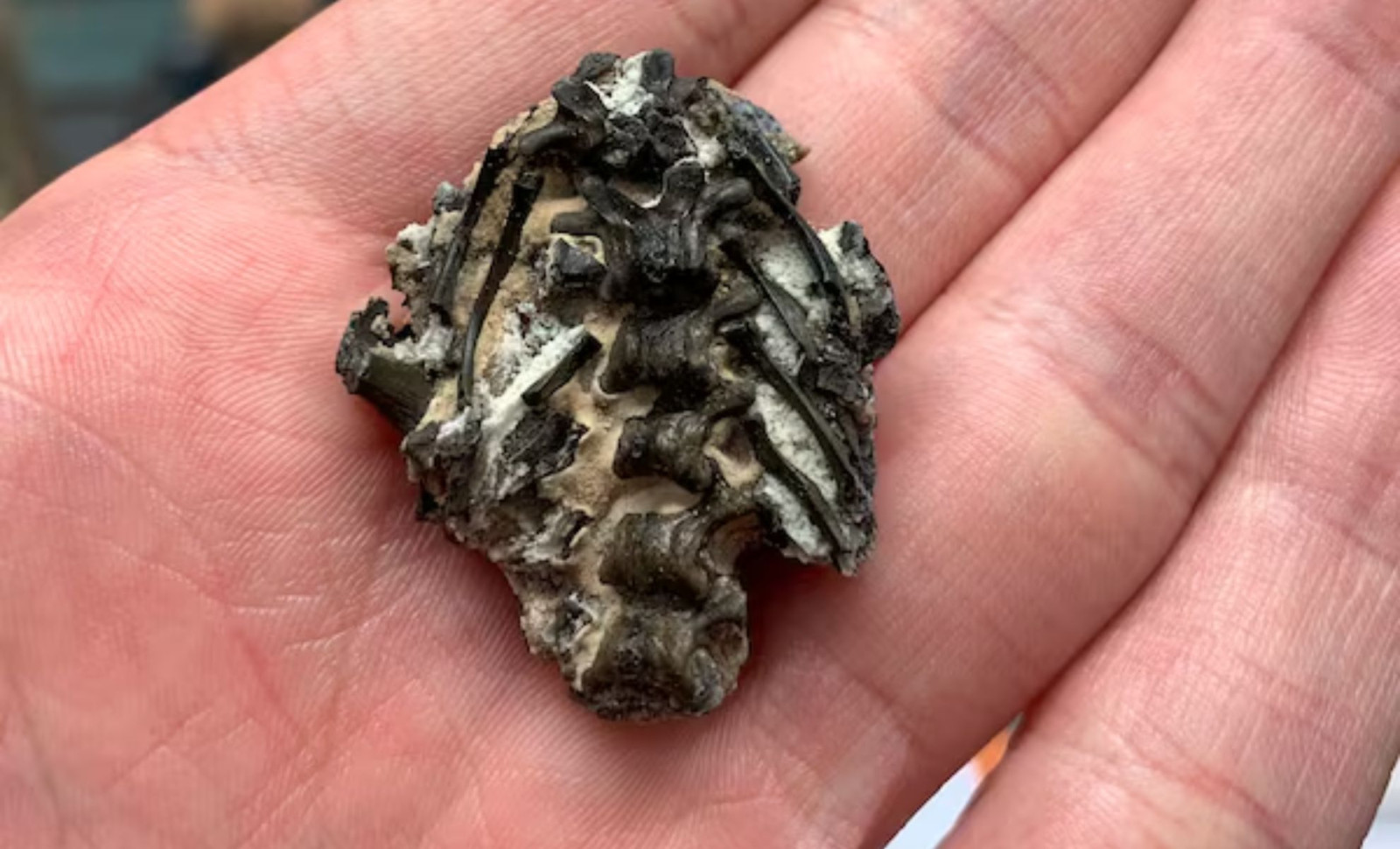
A miniature reptile that lived almost 300 million years ago is shedding new light on how the earliest terrestrial animals managed respiration. This remarkable fossil reveals the oldest rib-driven breathing apparatus, a system still present in many creatures today.
The research, published in Nature, centers on Captorhinus aguti, a small reptile from Oklahoma. Its exceptional preservation includes not just bones but skin, cartilage, and fragments of proteins surviving through the ages.
Such rare and detailed finds provide an unprecedented glimpse into the evolutionary shift of animals adapting to breathe efficiently on land.

Exceptional Preservation of Skin, Cartilage, and Proteins
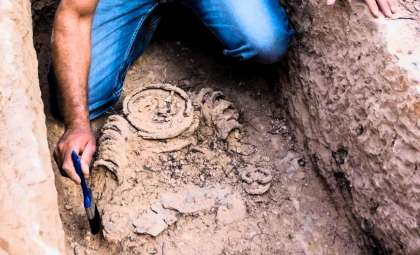
Housed at the Royal Ontario Museum, this specimen was excavated from Richards Spur, a site rich with fossils of early terrestrial fauna. The Nature study details how unique environmental factors like low oxygen and hydrocarbons enabled the survival of soft tissues that typically decay, including skin and cartilage.
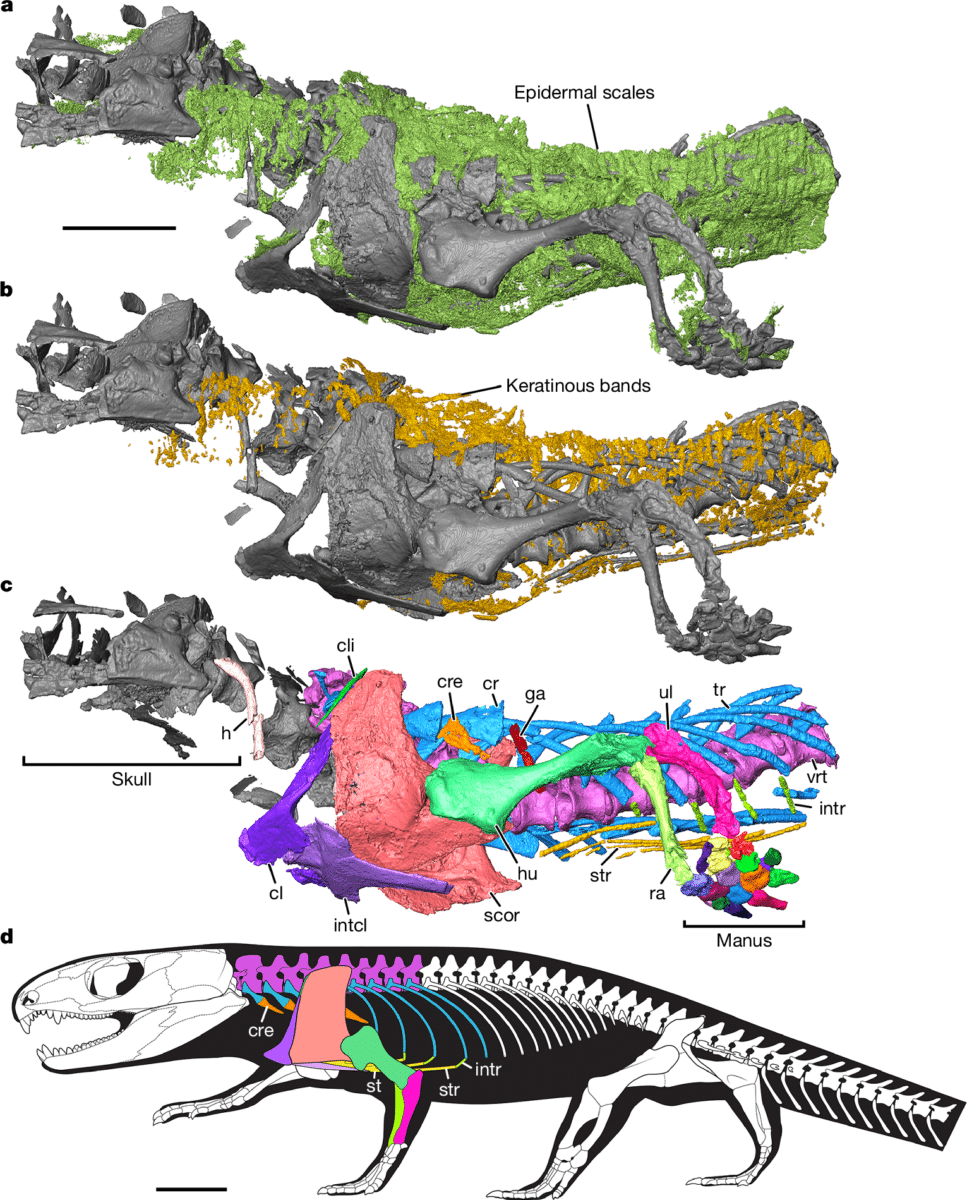
Using advanced neutron computed tomography, scientists non-invasively revealed delicate, textured skin enveloping the body, featuring a distinctive accordion-like pattern. Co-author Ethan Mooney explained:
“I started to see all these structures wrapped around the bones,” he added that, ” they were very thin and textured. Lo and behold, there was a nice wrapping of skin around the torso of this animal. The scaly skin has this wonderful accordion-like texture, with these concentric bands covering much of the body from the torso and up to the neck.”
The researchers also uncovered remnants of proteins, surprising since they predate all previously known examples by nearly 100 million years.
An Ancient Rib-Driven Respiratory Mechanism
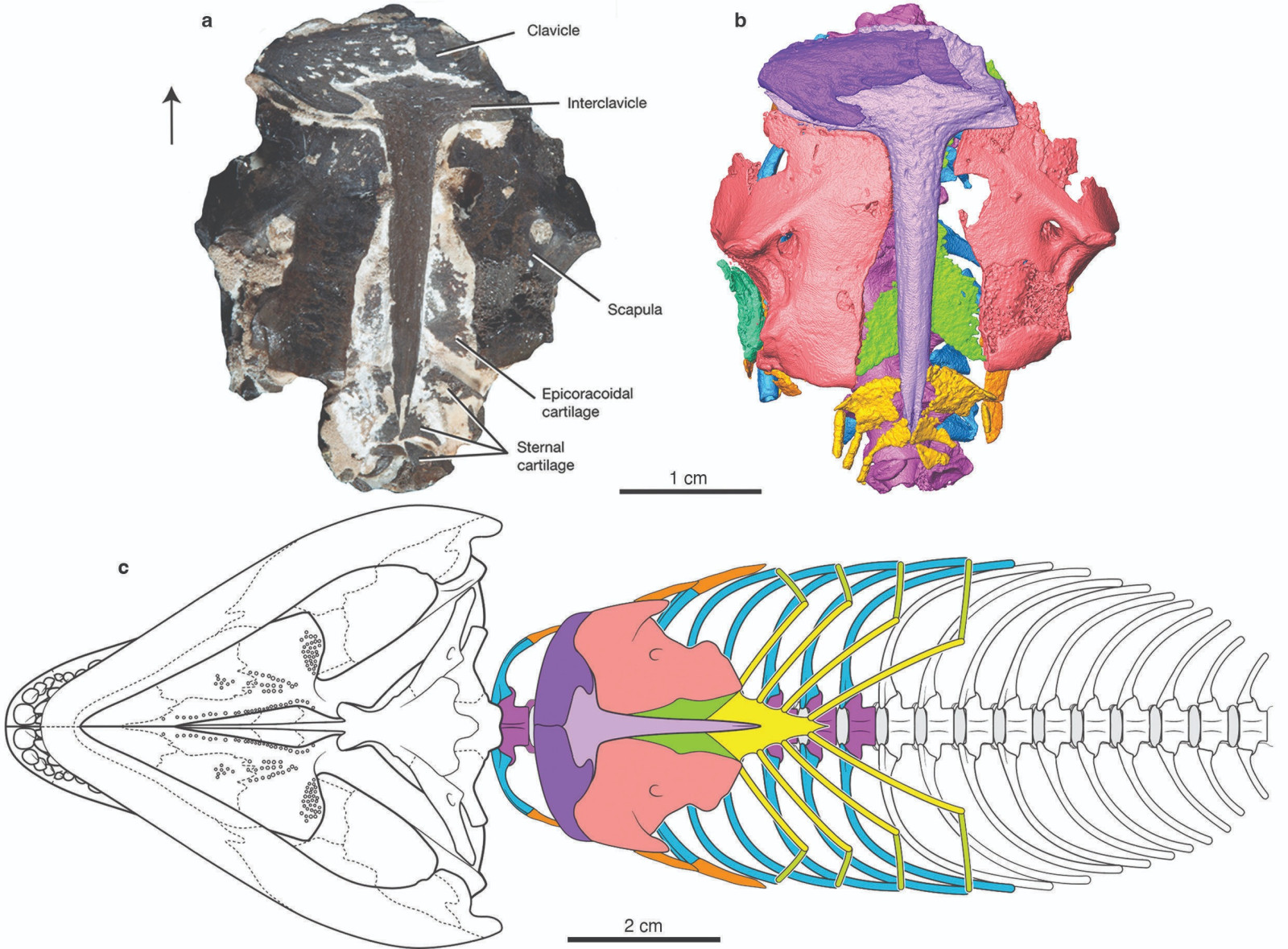
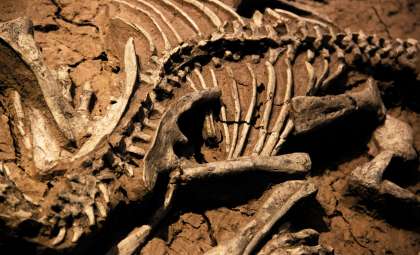
The breakthrough centers on the reptile’s breathing method. By examining multiple fossils, scientists reconstructed a rib-based breathing system, where coordinated movements of ribs and muscles draw air into the lungs. As Professor Robert Reisz noted, the fossil exhibits a segmented sternum, along with sternal ribs, intermediate ribs, and attachments near the shoulders. This represents the earliest known example of such a system among amniotes.
While amphibians mainly breathed through their skin or via inefficient throat pumping, this advanced rib mechanism enhanced lung ventilation and mobility, more aligned with modern respiratory function.
Crucial Adaptation for Terrestrial Life
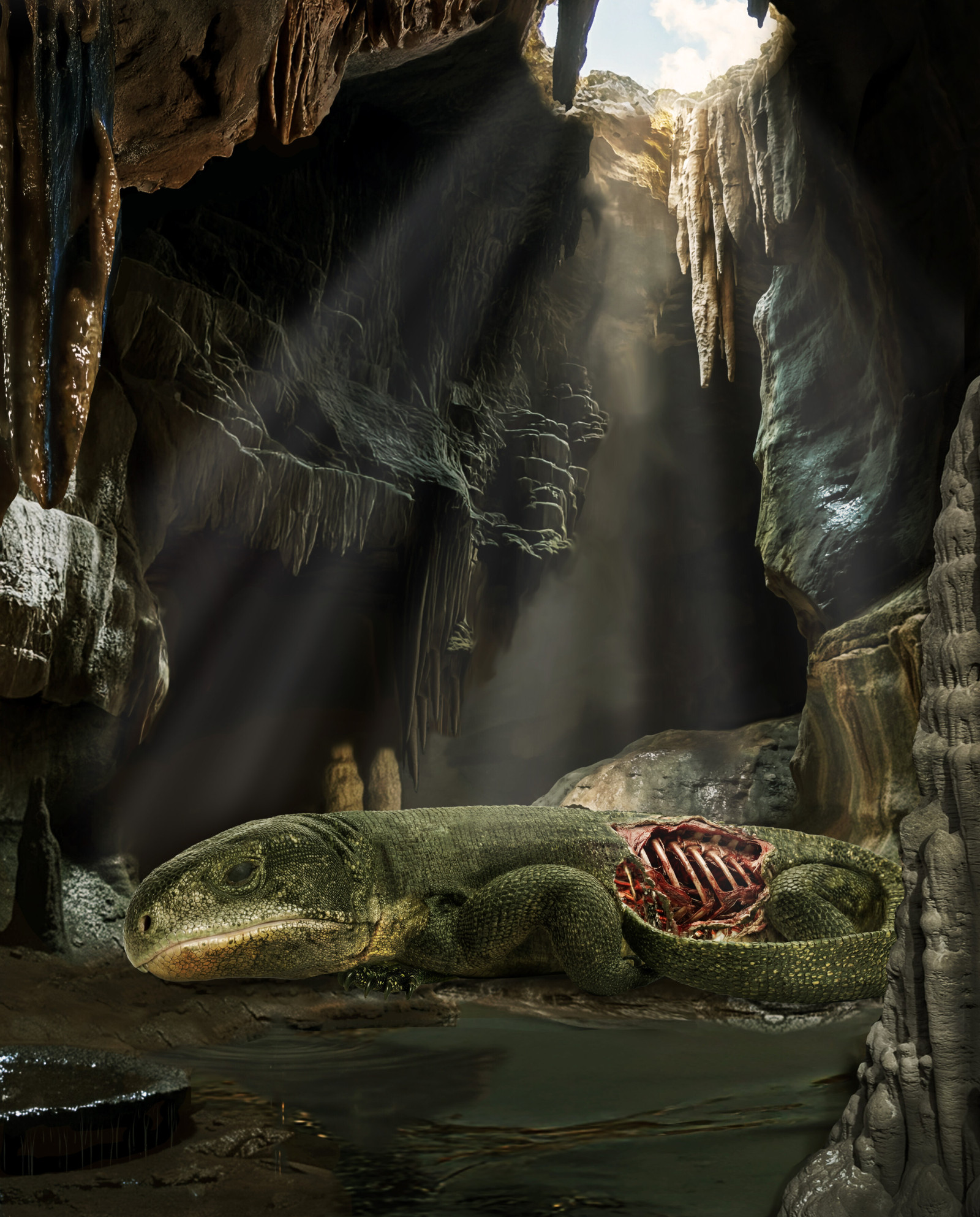
This respiratory adaptation likely empowered these ancient reptiles to remain more active and better suited to land habitats, contributing to their expansion and diversification. Mooney described Captorhinus as:
“Captorhinus is an interesting lizard-looking critter that is critical to understanding early amniote evolution.”
This fossil highlights how a fundamental process like breathing shaped evolutionary paths, enabling early animals to thrive outside aquatic environments.
“This finding substantially changes expectations of soft tissue preservation in deep time to reveal the potential ancestral amniote breathing mechanism and its impact on terrestrial vertebrate evolution,” the authors wrote.
- Categories:
- Science






0 comments
Sign in to Comment