
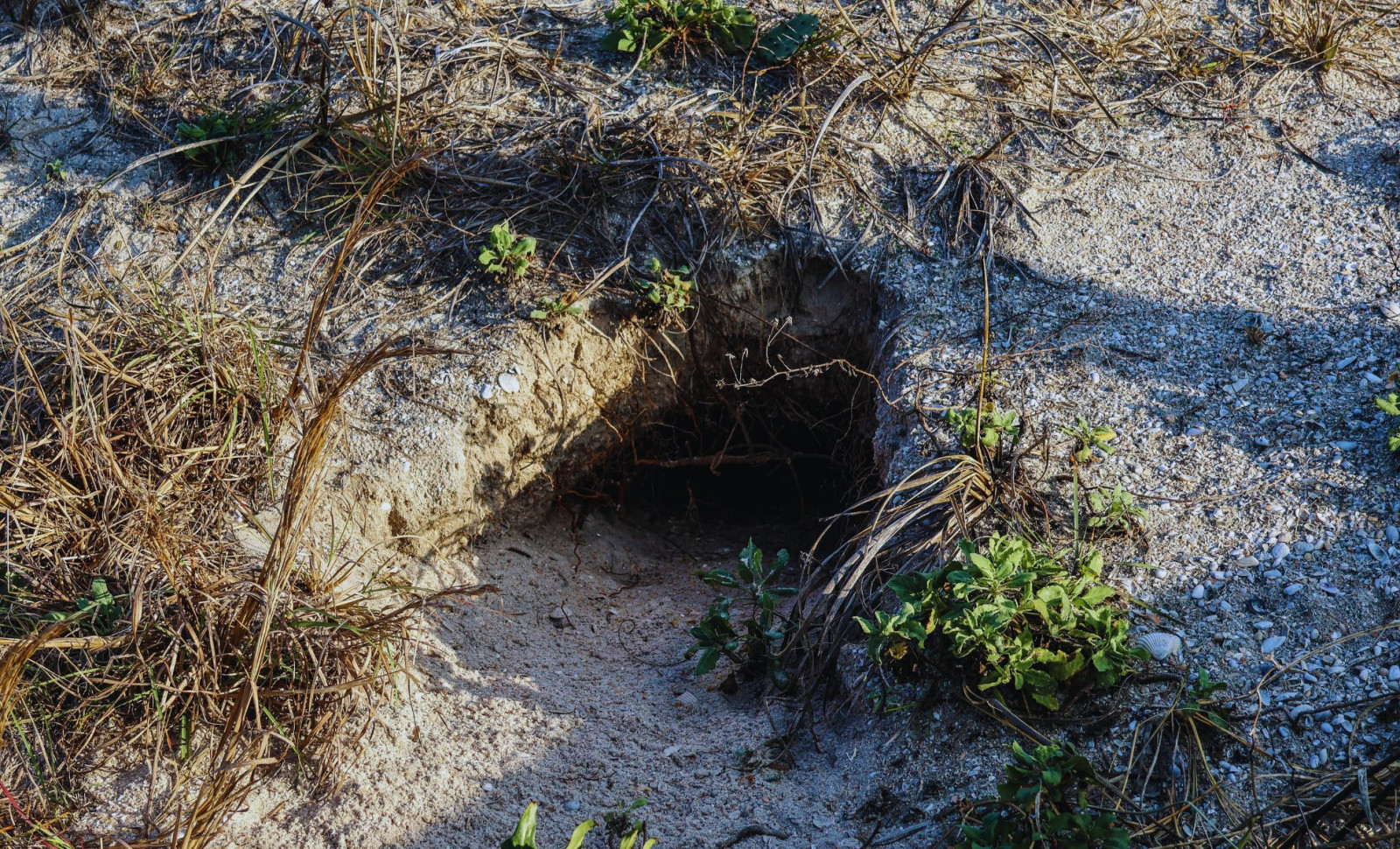
Decades after the Mount St. Helens eruption, an intriguing experiment involving subterranean animals has demonstrated lasting ecological restoration. Placing these tiny burrowers on an inactive volcanic surface unintentionally jump-started a remarkable resurgence driven by underground ecosystems.
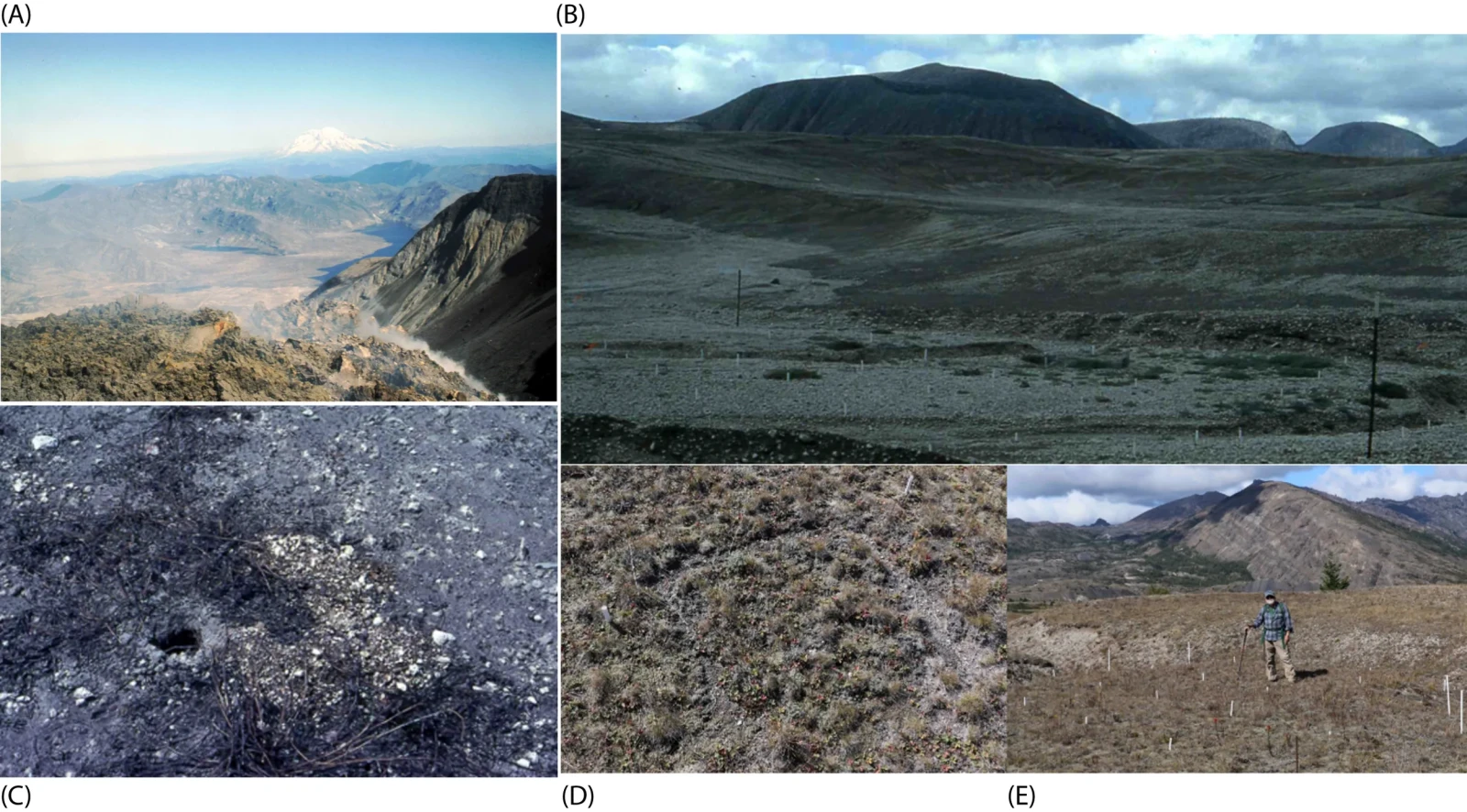
The 1980 eruption blanketed vast areas with lifeless pumice, creating an environment hostile to plant colonization. Early regrowth was painfully slow, with only a few hardy species appearing amidst the barren terrain.
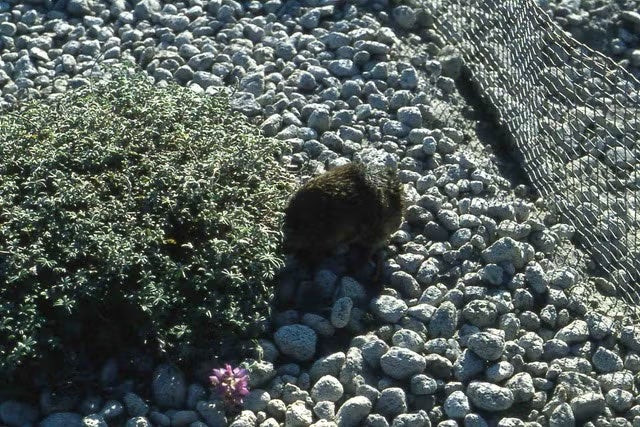
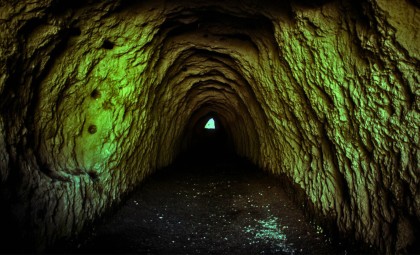
In search of a faster recovery method, scientists introduced pocket gophers in 1983 to select plots, aiming to bring dormant microbial life closer to the surface through their digging tunnels.

Tiny Burrowers Boost Plant Life to Over 40,000
Initially, progress was nearly imperceptible. The site once hosted barely a dozen plants. Yet within six years, the gopher-treated plots flourished, boasting upwards of 40,000 new plants.
The University of California report noted that adjacent untreated areas remained largely devoid of growth, underscoring the profound impact of the intervention. Microbiologist Michael Allen, who contributed to the project, was taken aback by the outcome.
“They’re often considered pests,” he said, “but we thought they would take old soil, move it to the surface, and that would be where recovery would occur.” That alone, it turned out, was enough to restart growth on a surprising scale.
The Hidden Role of Burrowing Creatures
The soil these animals unearthed contained far more than just dirt. Vital bacteria and mycorrhizal fungi—microorganisms crucial for plant survival—were brought to the surface.
Research featured in Frontiers explains how these fungi form networks with plant roots, improving water and nutrient uptake under challenging volcanic conditions. Without this symbiotic support, plants would struggle to establish themselves.
Emma Aronson, a lead scientist on the study, highlighted how these fungal networks aided in tree recovery by recycling nutrients from fallen organic material like pine needles.
“The trees came back almost immediately in some places. It didn’t all die like everyone thought,” she added.
Enduring Effects After More Than Four Decades
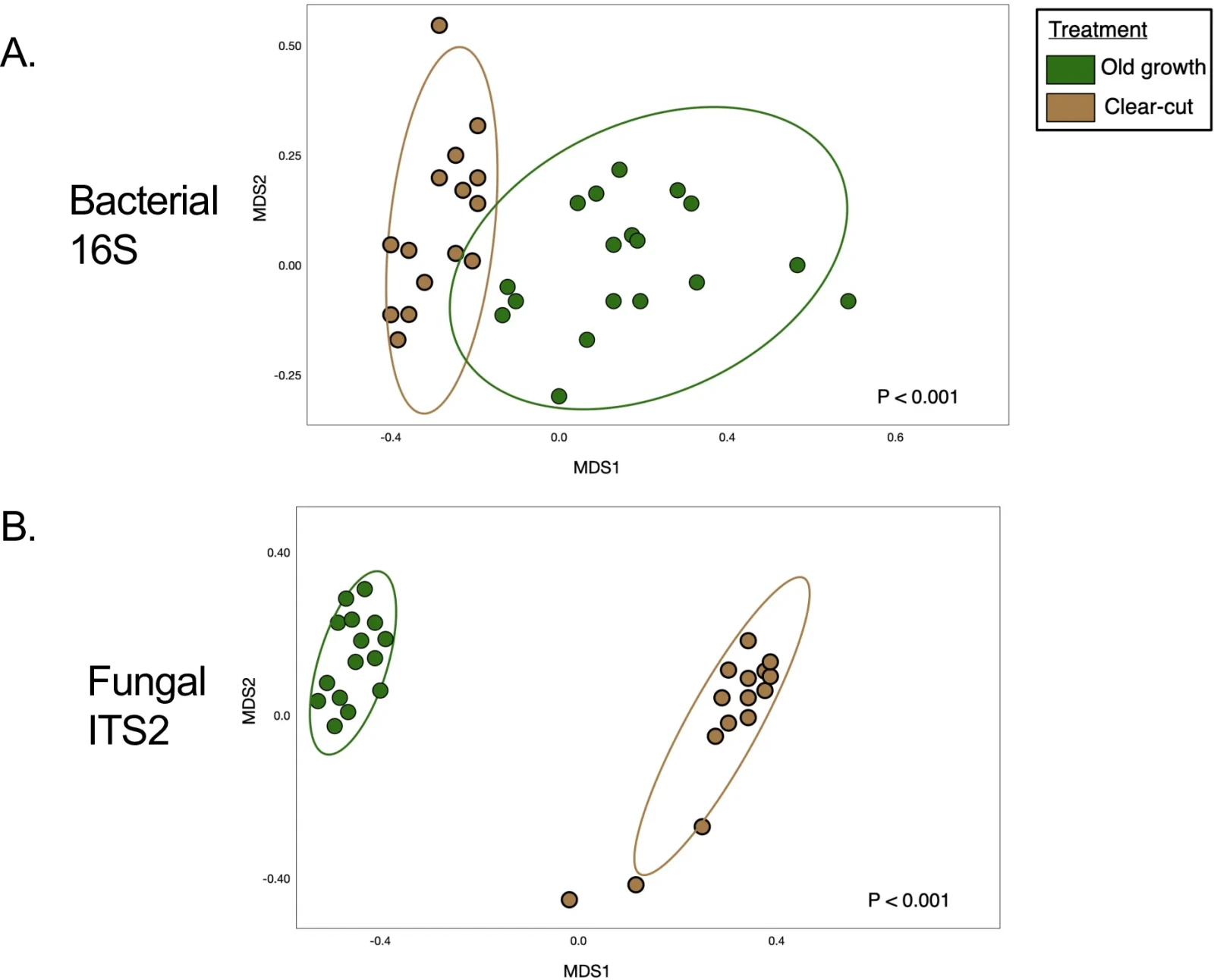
The most striking aspect is the persistence of these changes. Even after 40 years, the areas treated with the burrowing animals remain rich with plant life. The Frontiers study confirms that the microbial networks established by these creatures continue nurturing vegetation growth to this day.
“There still isn’t much of anything growing in the clearcut area,” Aronson noted. “It was shocking looking at the old growth forest soil and comparing it to the dead area.”
The profound and lasting influence of a brief experiment is rare in ecological research. Postdoctoral scholar Mia Maltz, who participated in the project, emphasized the importance of unseen connections.
“We cannot ignore the interdependence of all things in nature, especially the things we cannot see like microbes and fungi.”
- Categories:
- Science




0 comments
Sign in to Comment