
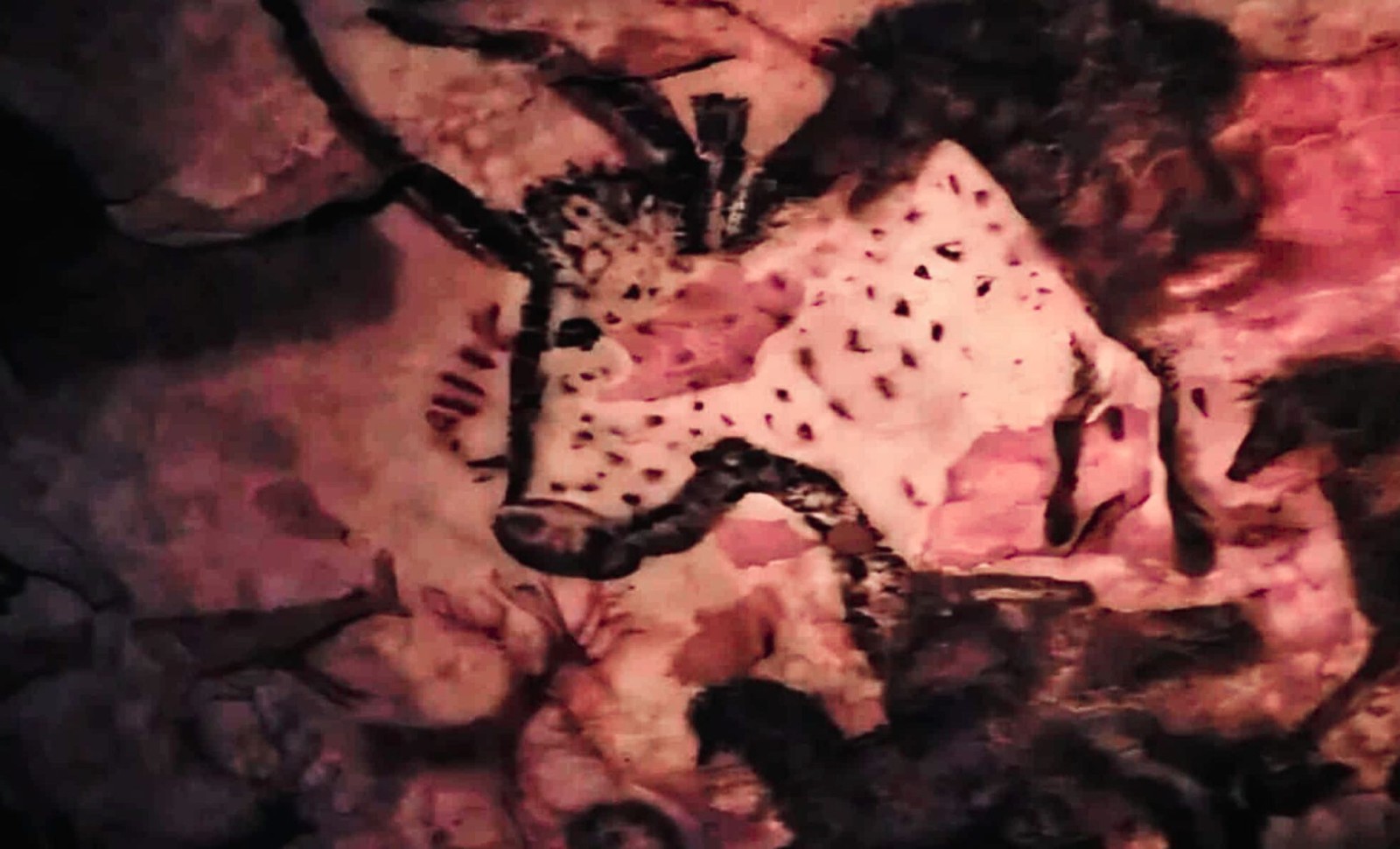
Deep within a cave on Sulawesi Island, Indonesia, researchers have uncovered a striking red ochre painting depicting a warty pig. Spanning approximately four feet, this artwork is shielded beneath a delicate calcium carbonate layer. Dating of this mineral crust shows the image is at least 45,500 years old, ranking it among the earliest known figurative artworks on record. The most remarkable aspect, however, is the possibility that it was crafted by beings other than modern humans.
Thousands of miles away in Spain, investigators discovered red pigment patterns—ranging from abstract shapes to hand stencils—inside three caves. These markings, dated to more than 64,000 years ago, predate the arrival of Homo sapiens in Europe by at least 20 millennia. The likely creators? Neanderthals.

Using precise uranium-thorium dating, these findings are prompting a reevaluation of when and how symbolic thought emerged. Instead of attributing creative expression solely to Homo sapiens, current evidence suggests multiple archaic human species independently developed sophisticated symbolic behaviors. The ability to form and comprehend symbols might not be an exclusively modern trait.

Evidence of Neanderthal Artistic Expression
A pioneering 2018 study published in Science applied uranium-series methods to calcite deposits overlaying cave paintings at La Pasiega, Maltravieso, and Ardales caves, establishing minimum ages of 64,800 years. These results provide the earliest known proof of symbolic behavior in Europe, predating the arrival of modern humans.
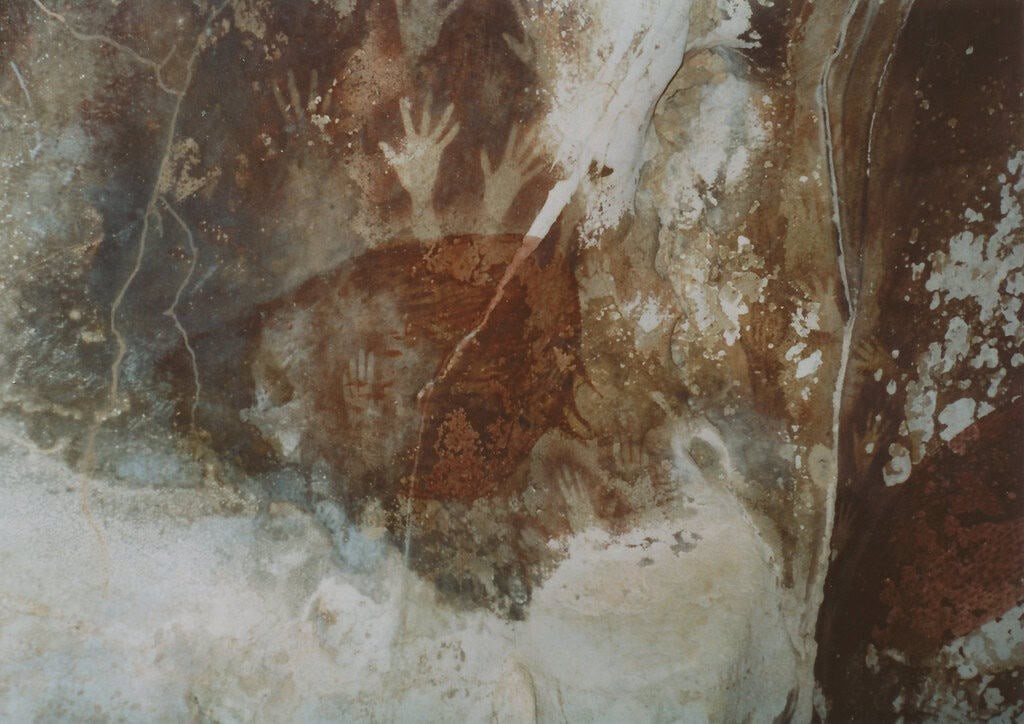
Led by Dirk Hoffmann and Alistair Pike, the team carefully extracted uranium from samples smaller than a grain of rice to avoid damaging ancient art. Hoffmann shared with National Geographic, “One slip, and you could destroy something that’s been untouched for tens of thousands of years.” The findings leave little doubt that Neanderthals were creators of cave art well before our species occupied the region.
In 2021, research published in Nature detailed the Sulawesi pig painting, using the same dating techniques to confirm it dates back at least 45,500 years. This not only makes it the oldest known figurative artwork but also raises intriguing questions about the identity of its makers.

While there is no fossil evidence yet linking Neanderthals or Denisovans to Sulawesi, archaic human groups inhabited the area, their exact identities remaining uncertain. The production of narrative-style imagery independent of modern human influence suggests a wider distribution of symbolic cognition than previously recognized.
Multiple Lineages Sharing Symbolic Thought
This emerging evidence is not confined to Indonesia and Europe. At Cueva de los Aviones in southern Spain, artifacts such as perforated marine shells and red ochre pigments dated to over 115,000 years ago indicate early use of personal adornments. These findings, reported in Science Advances, highlight deeply rooted symbolic behavior.
Scientists propose that the foundation of symbolic abilities likely stems from a common ancestor shared by modern humans and Neanderthals over 500,000 years ago. As outlined in Nature, this overlap in cognitive capacity challenges traditional views on the evolution of human culture and artistic expression.

Prominent cognitive archaeologist João Zilhão contends that Neanderthals exhibited “modern cognition” concurrently with early Homo sapiens. His perspective, reinforced by research published in Nature Ecology & Evolution, disputes the belief that symbolic thought emerged suddenly in Africa before dispersing.
More recent scholarship from ScienceDirect describes pigment preparation and cave art at early Neanderthal sites, underscoring that abstract symbolic activity was widespread and consistent rather than isolated.
A View of Cognition That Transcends Species Boundaries
Symbolic thought has often been regarded as a unique hallmark of human identity, marking our cultural and intellectual leap. Artistic creation, ritual, and ornamentation were once seen as clear divides between us and other species. Those distinctions are now becoming less defined.
If symbolic intelligence arose simultaneously across different hominin species or was inherited from a distant common ancestor, our evolutionary narrative grows more complex. Cultural expression and imagination may have evolved gradually across an interconnected web of hominin lineages over hundreds of millennia.

Nonetheless, some experts remain cautious about interpreting ancient pigments as deliberate symbolism, emphasizing the necessity of comprehensive evidence. Archaeologist Margaret Conkey stresses that age, context, and authorship must all be clearly established, warning that a single layer of pigment alone is insufficient proof.
Still, as data from diverse sites and species accumulate, the argument for symbolic behavior among archaic humans gains increasing strength, reshaping our understanding of human cognitive evolution.
- Categories:
- Science












0 comments
Sign in to Comment