
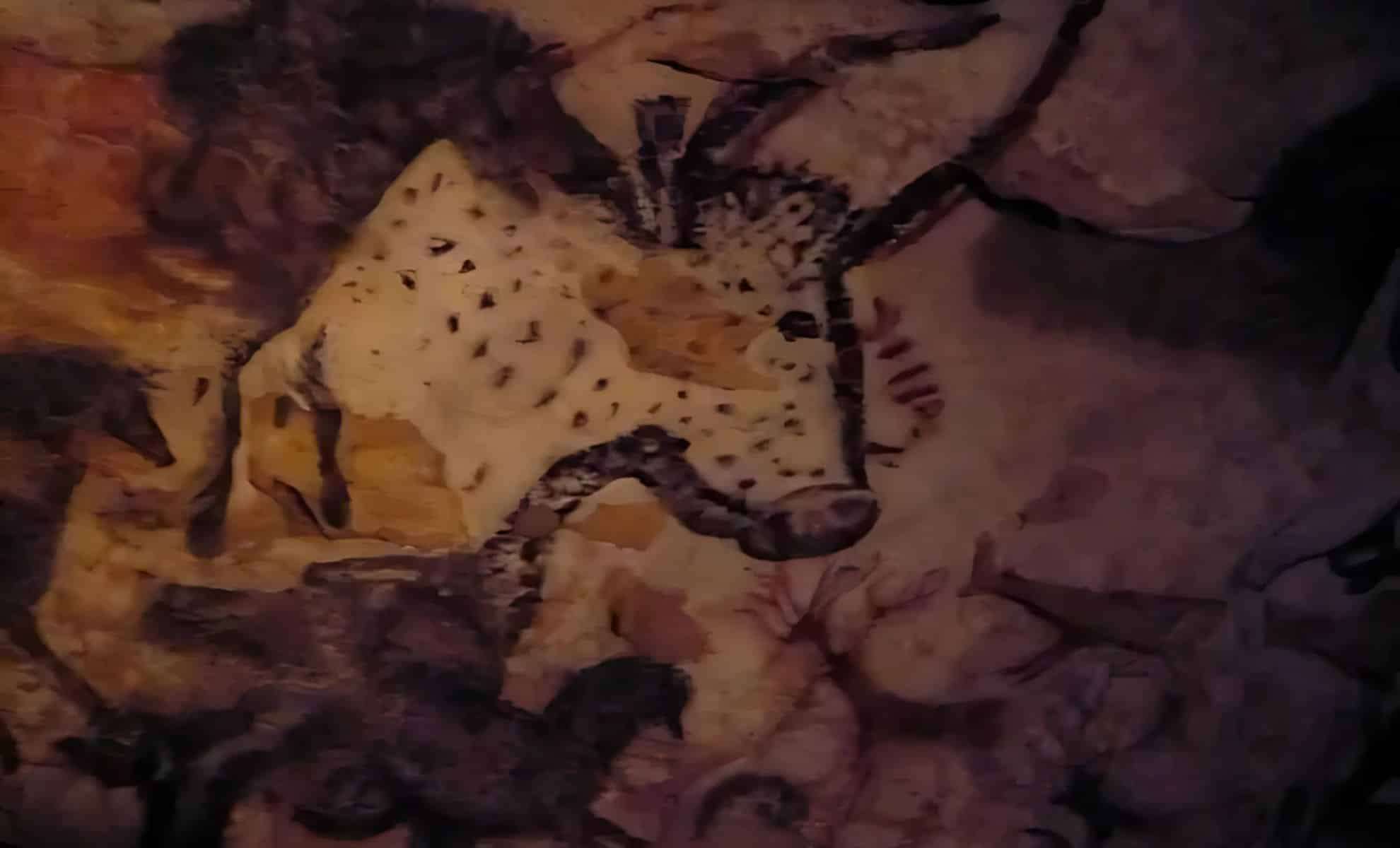
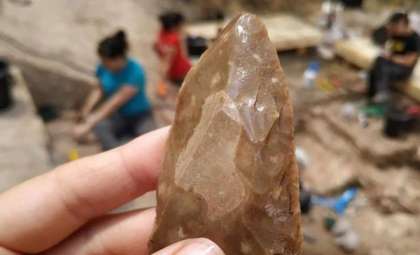
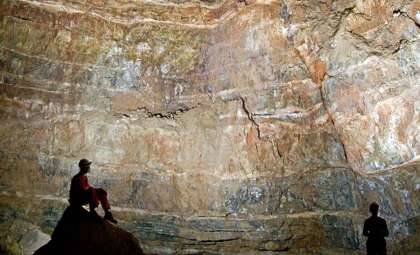
A groundbreaking archaeological find is set to challenge existing beliefs about the origins of early human creativity and intelligence. Newly uncovered cave paintings from remote locations worldwide have been dated to nearly 65,000 years ago. Detailed in a report by Animals Around The Globe, these discoveries span sites in Spain, Indonesia, South Africa, and Australia.
Is This Art Older Than Modern Humans?
These ancient artworks stand out not only for their intricate designs but also for their remarkable age. Utilizing uranium-thorium dating, scientists analyzed calcite deposits over the paintings, determining that some pieces predate the previously oldest known European cave art by over 20,000 years.
This raises the intriguing possibility that the artists were not Homo sapiens. For example, in Northern Spain, the age of the paintings predates the arrival of modern humans in the region, suggesting that Neanderthals may have been the creators.

Worldwide Evidence of Symbolic Expression
Until recently, it was widely believed that symbolic art emerged in Europe about 40,000 years ago, linked directly to early modern humans. However, these recent observations tell a more complex narrative.
The occurrence of similar symbolic motifs independently appearing in far-flung regions implies that abstract thinking was a shared cognitive trait among ancient human populations—not limited to one location or species.
Beyond Basic Imagery
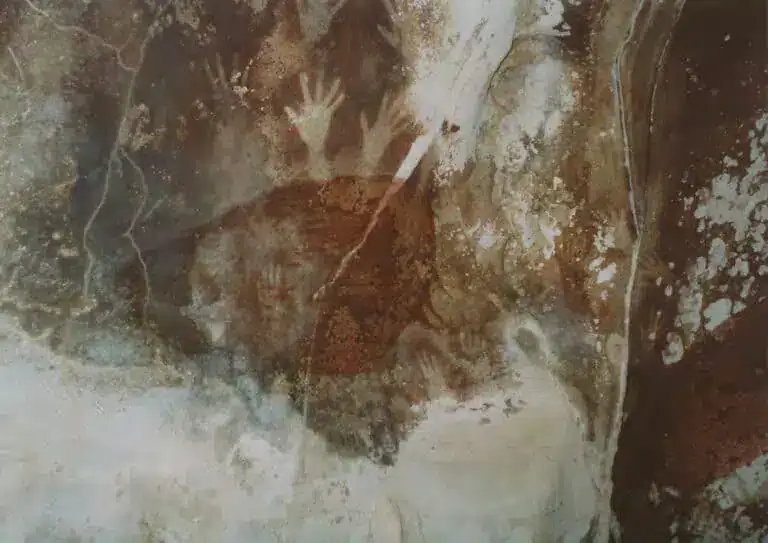
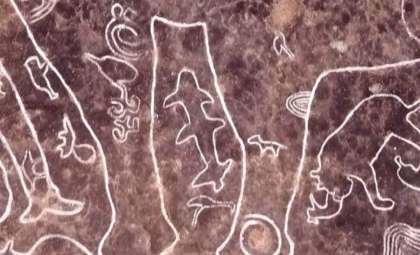
The rock art involves far more than crude handprints or simplistic hunter figures. Experts have unveiled animated compositions featuring multiple characters, intricate use of colors, and even possible depictions of astronomical phenomena.
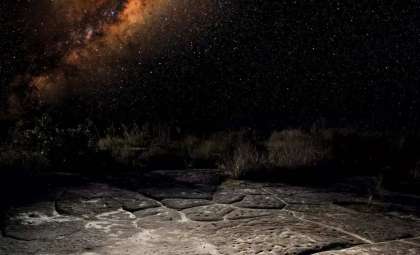
Several panels appear to illustrate lunar cycles or identified constellations. Others may portray ceremonial gatherings or musical performances, with figures shown playing flute-like instruments.
Reevaluating Neanderthal Capabilities
The age and geographic distribution of these paintings have reignited discussions regarding the cognitive abilities of Neanderthals. For many years, they were considered less adept than Homo sapiens in producing symbolic art, but these discoveries cast doubt on that assumption.
Should Neanderthals have crafted some of these paintings, it would reveal a species capable of cosmological observation, recording their experiences, and potentially passing knowledge across generations.
The methods behind these masterpieces are surprisingly sophisticated. Researchers identified evidence of spray application techniques, use of brushes made from animal hair, and the intentional use of natural lighting to enhance visibility during specific seasonal periods.
In certain caves, walls were treated with layers of clay or calcite to create a smooth painting surface. These artworks were clearly deliberate, multi-layered projects often covering large areas rather than spontaneous sketches.
A Tradition Spanning 60,000 Years?
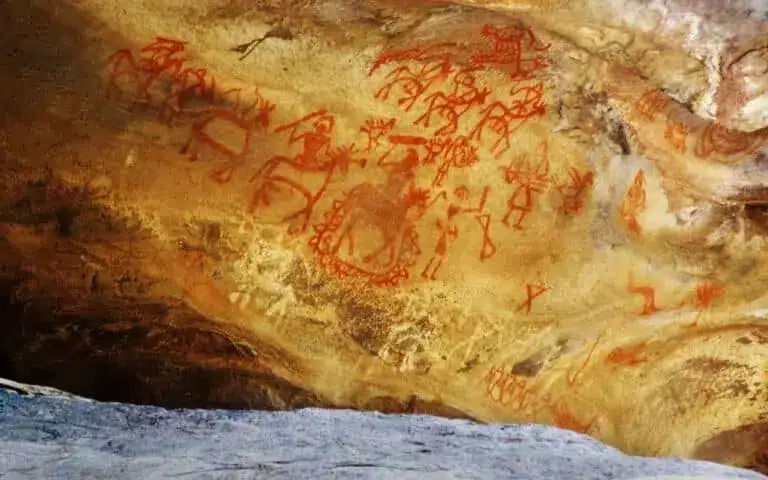
In Australia, the team uncovered artworks featuring patterns almost identical to those used in modern Aboriginal art. Indigenous elders familiar with the motifs recognized their long-standing oral and visual storytelling traditions—potentially indicating one of the planet's oldest continuous artistic heritages.
Similar recurring themes were evident across other discovery sites. Newer images tended to incorporate older ones respectfully rather than overwriting them, hinting at a deeply rooted cultural lineage maintained over millennia.
Bridging Science and Indigenous Perspectives
The revelations have sparked conversations about conserving and interpreting these heritage locations. In several instances, Indigenous groups have contributed valuable cultural insights concerning the significance of the imagery and emphasized the importance of collaborative, ethical approaches.
This blend of contemporary scientific research and traditional knowledge has enriched the overall interpretation of the art and the ancient peoples who created it.
- Categories:
- Science





0 comments
Sign in to Comment