
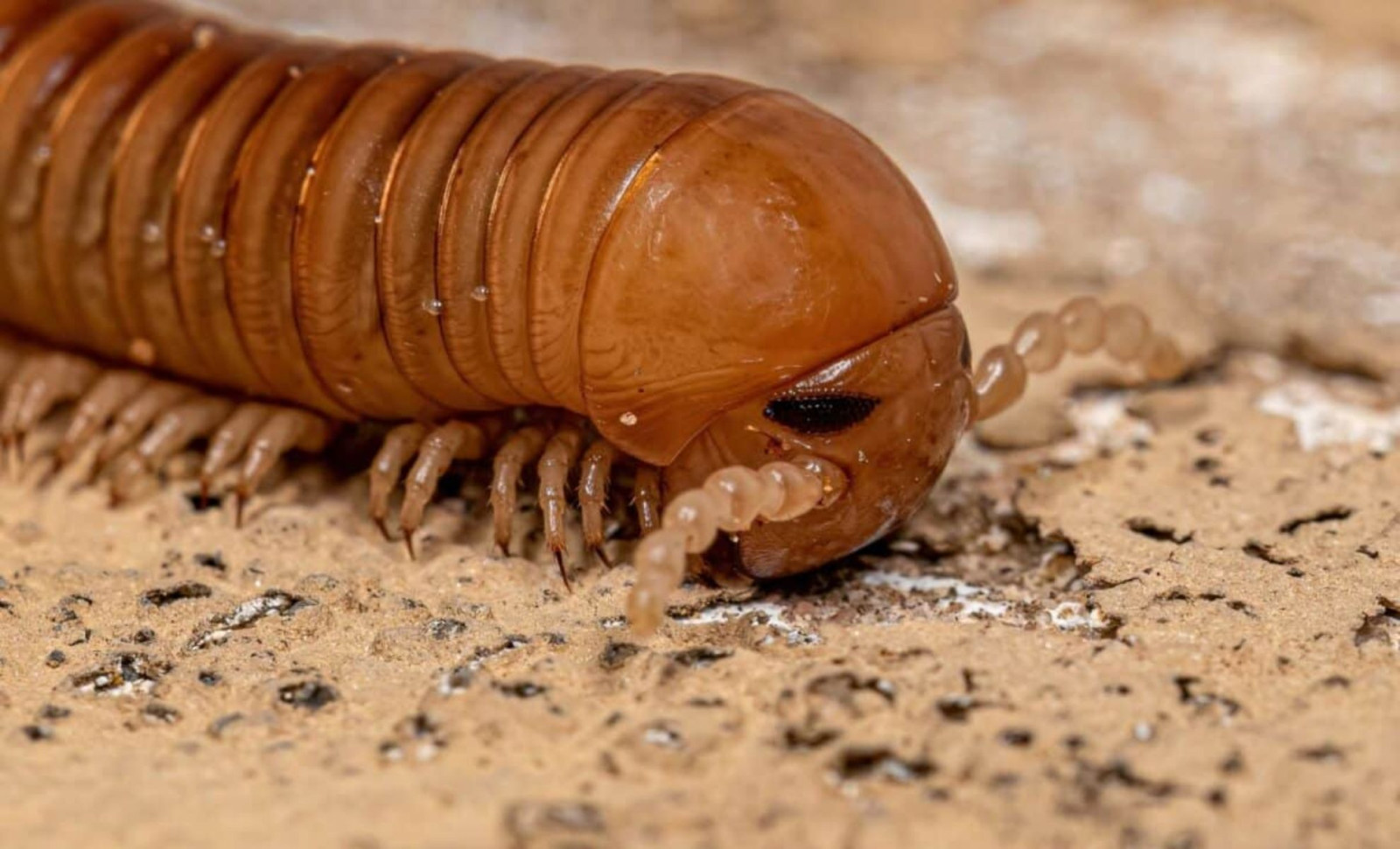
Researchers have discovered fossils of an ancient aquatic arthropod that suggest the ancestors of today’s centipedes and millipedes developed their numerous legs well before emerging onto land. The findings, published in Proceedings of the Royal Society B: Biological Sciences, challenge the notion that these legs evolved strictly as adaptations for terrestrial living.
Unearthed from the Silurian period Brandon Bridge Formation near Waukesha, Wisconsin, the fossils date back approximately 437 million years. With 35 remarkably well-preserved specimens available, scientists could examine soft tissues like muscles, rarely retained in fossil records, offering new insights into prehistoric anatomy.
The fossilized species, named Waukartus muscularis, provides new clues about the evolutionary timeline of myriapods, significantly revising prior assumptions.

Revealing a Fully Developed Organism from the Silurian Era
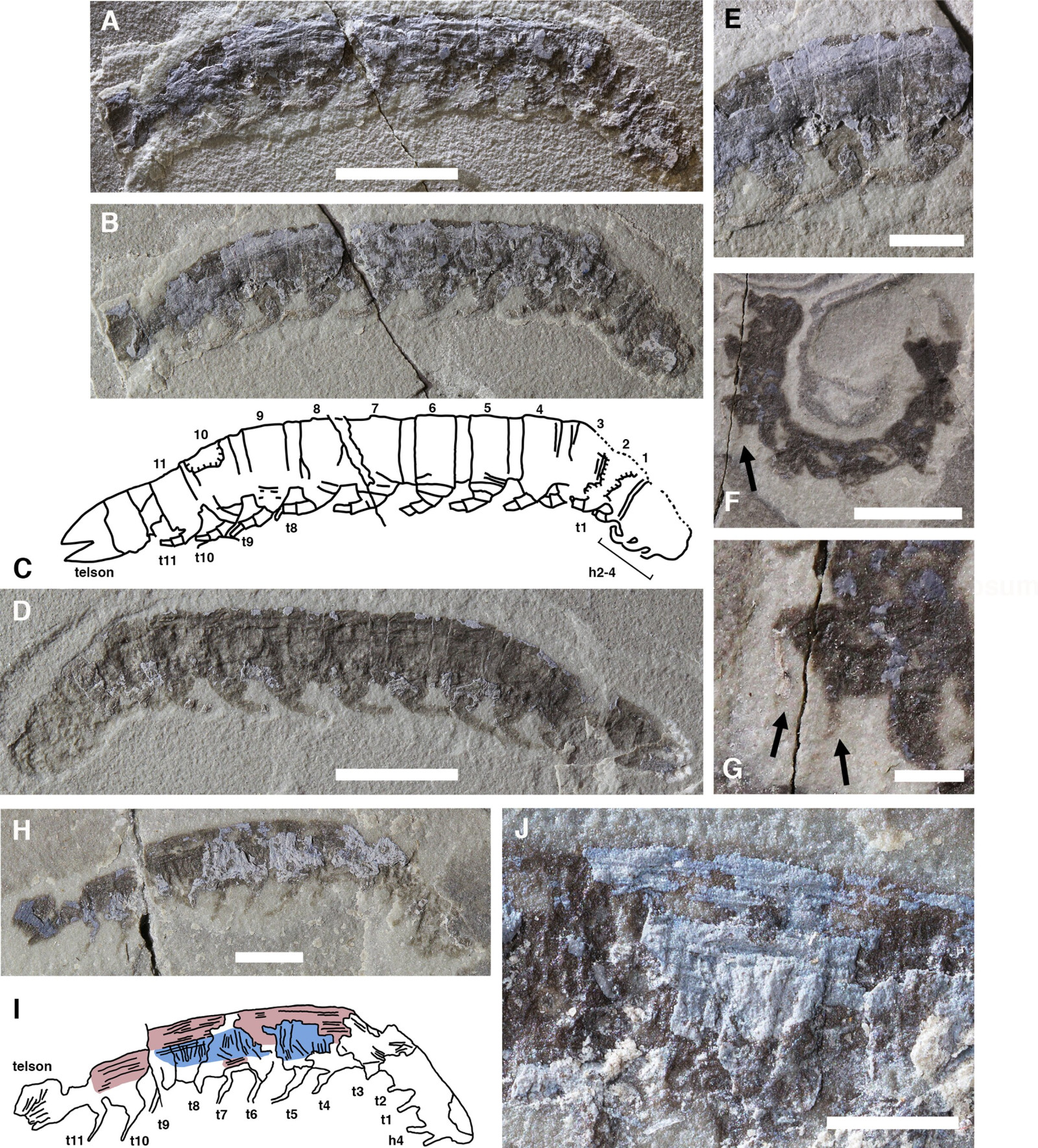
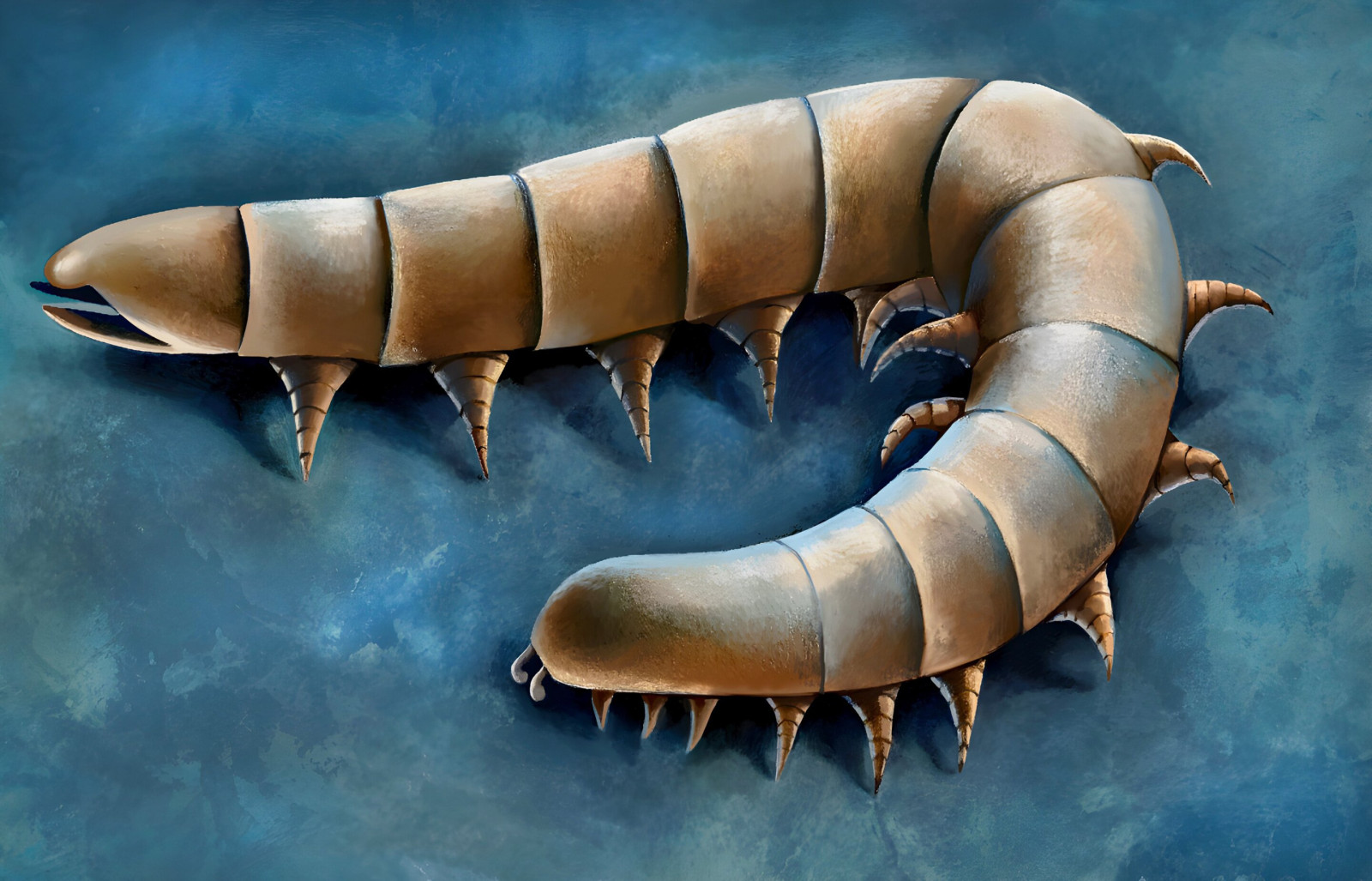
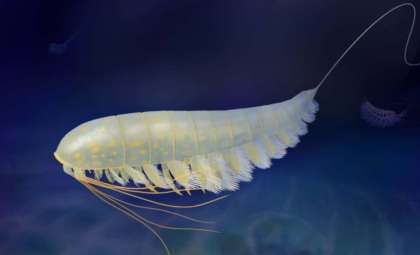
The Waukesha Lagerstätte, a site renowned for its exceptional preservation of soft-bodied life, yielded fossils of Waukartus muscularis bearing a striking resemblance to modern myriapods. This creature possessed a segmented, elongated body with more than 11 pairs of legs. Its head was followed by a flexible trunk, and several head appendages varied in form and size.
“Their shorter length may indicate that they were not involved in walking but specialized for sensory or feeding functions, but the mode of feeding is unknown. The trunk of Waukartus was flexible as evidenced by curved specimens and variation in the nature of the overlap between successive segments,” the authors wrote.
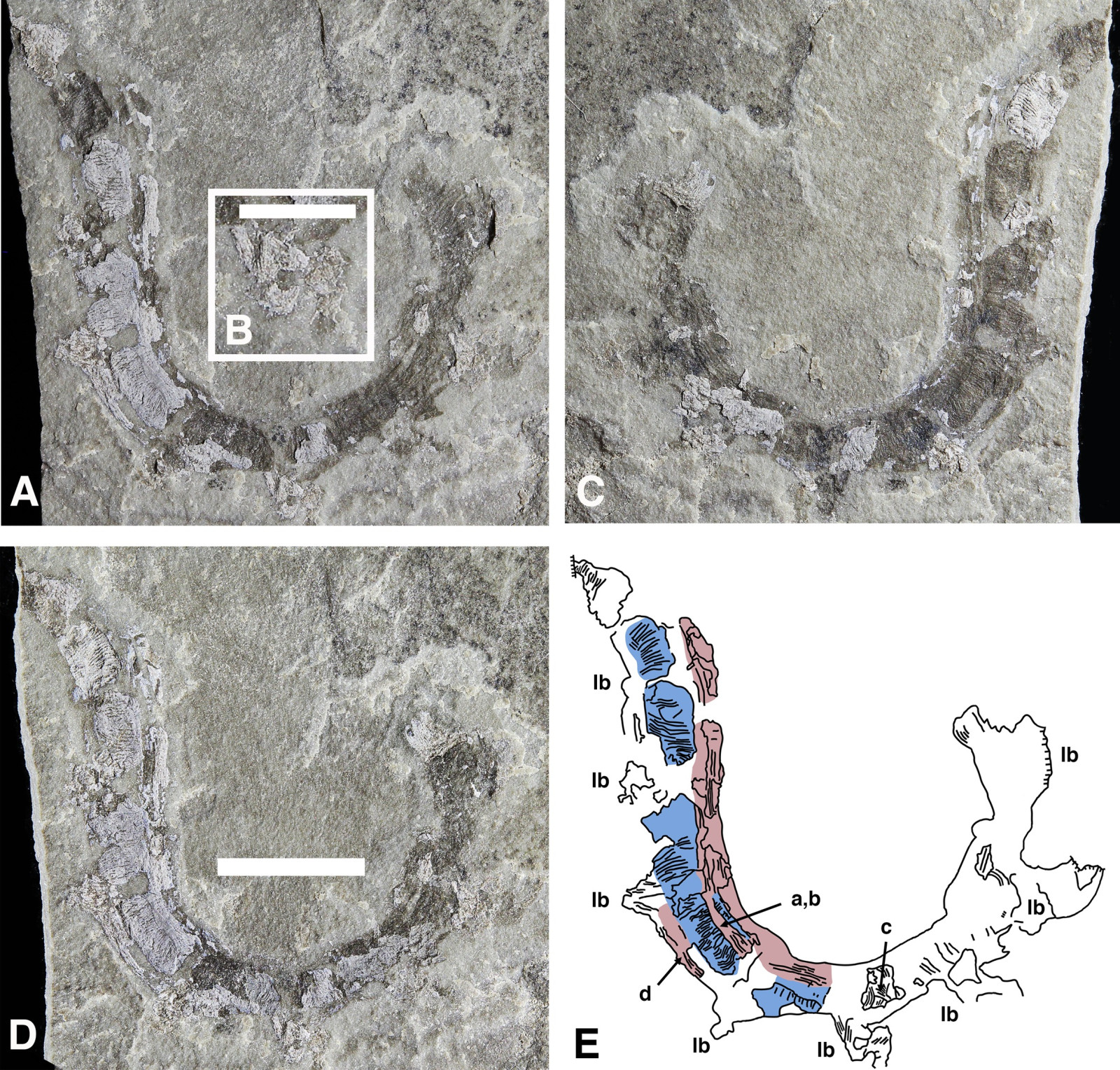
A key discovery lies in the presence of uniramous limbs, meaning the legs were unbranched, a trait typically linked to land-dwelling arthropods. In contrast to other early marine arthropods with branched (exopod) limbs, Waukartus had simpler, single-branched legs.
This raises a fascinating question as to why an ocean-dwelling creature sported limbs similar to those found on terrestrial species. The research suggests that these limbs were preadapted for walking on land, even though the organism itself never did.
Legs Shaped by Water but Ready for Land
The presence of uniramous limbs in Waukartus offers profound insight into how the leg architecture of myriapods emerged. While most contemporary aquatic arthropods had branched appendages aiding swimming, Waukartus carried simpler limbs more typical of terrestrial species, implying the loss of branched limbs occurred before moving onto land.
“The uniramous limbs of Waukartus comprise an endopod alone, an anatomical trait interpreted as a terrestrial adaptation in myriapods that is convergently shared with terrestrial insects and arachnids. The inferred marine life habit of Waukartus indicates that the loss of the exopod occurred before terrestrialization and is not an adaptive change,” outlined the research team’s analysis.
The concept of exaptation—where a trait evolves initially for one function and later serves another—is central to interpreting these findings. The study proposes that Waukartus limbs, though suited for land locomotion, likely evolved underwater for alternative purposes before the terrestrial transition.
Unraveling Myriapod Evolutionary History
Understanding when and how myriapods developed the features critical for terrestrial adaptation has long challenged scientists. These Wisconsin fossils provide the clearest evidence yet that many land-associated traits originated underwater, millions of years before colonizing land.
While the reasons behind the disappearance of exopods in Waukartus remain elusive, the finely laminated mudstones of the Brandon Bridge Formation preserve an ancient marine ecosystem from some 437 million years ago, enriching our understanding of early arthropod evolution.
- Categories:
- Science




0 comments
Sign in to Comment