
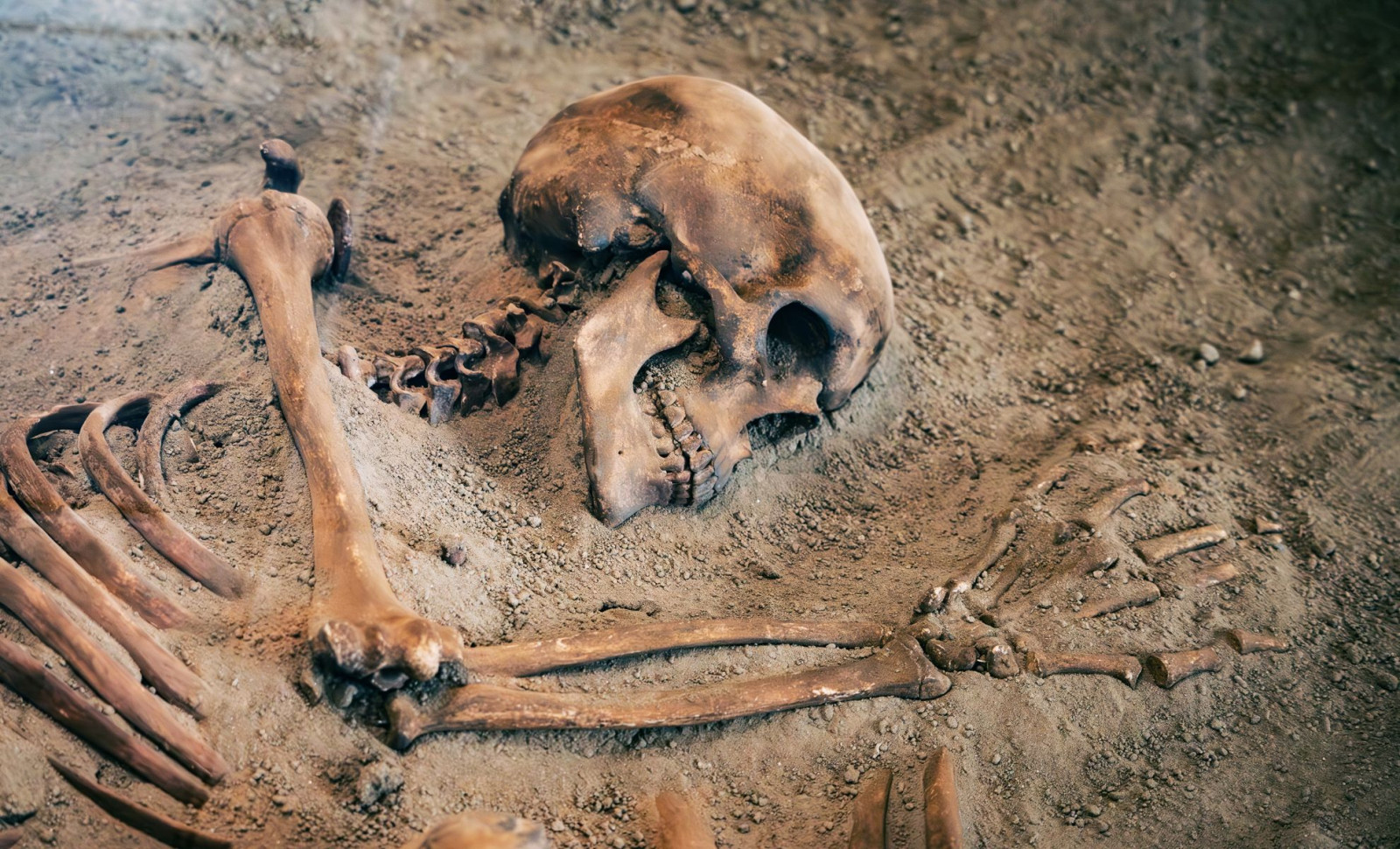
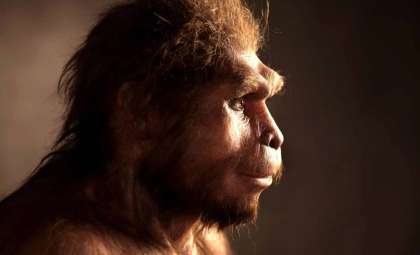
For decades, Homo erectus has been regarded as the earliest human species to migrate out of Africa, approximately 1.8 million years ago. Yet, recent research analyzing fossilized teeth from the Dmanisi archaeological site reveals a more intricate narrative. Evidence now suggests that several, more ancient human species might have left Africa prior to Homo erectus.
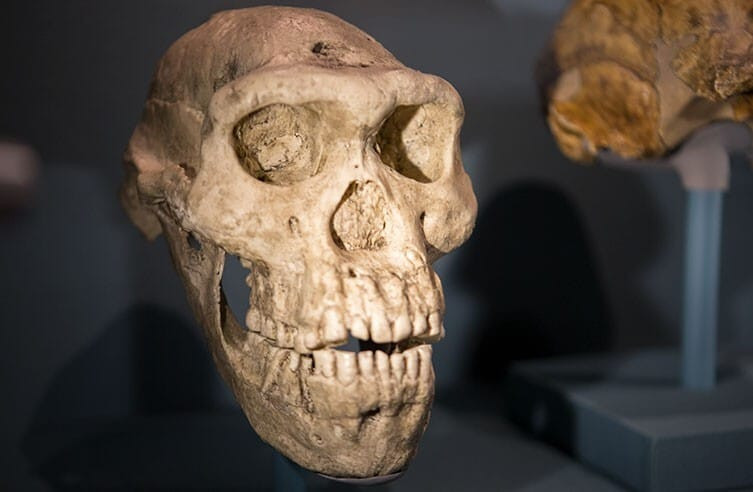
Located in Georgia, the Dmanisi site has sparked significant discussion within the field of human evolution. Although many experts previously attributed all fossils found there to Homo erectus, emerging data indicates the presence of multiple species within the Dmanisi fossil collection.
Unraveling the Origins of the Dmanisi Remains
Debate has arisen due to marked differences observed among the Dmanisi fossils. Some researchers have interpreted this variation as sexual dimorphism within Homo erectus, such as distinctions between male and female skulls. Others argue that these fossils belong to separate species, with some specimens showing traits reminiscent of the primitive Australopithecus, while others align more with early humans like Homo habilis.

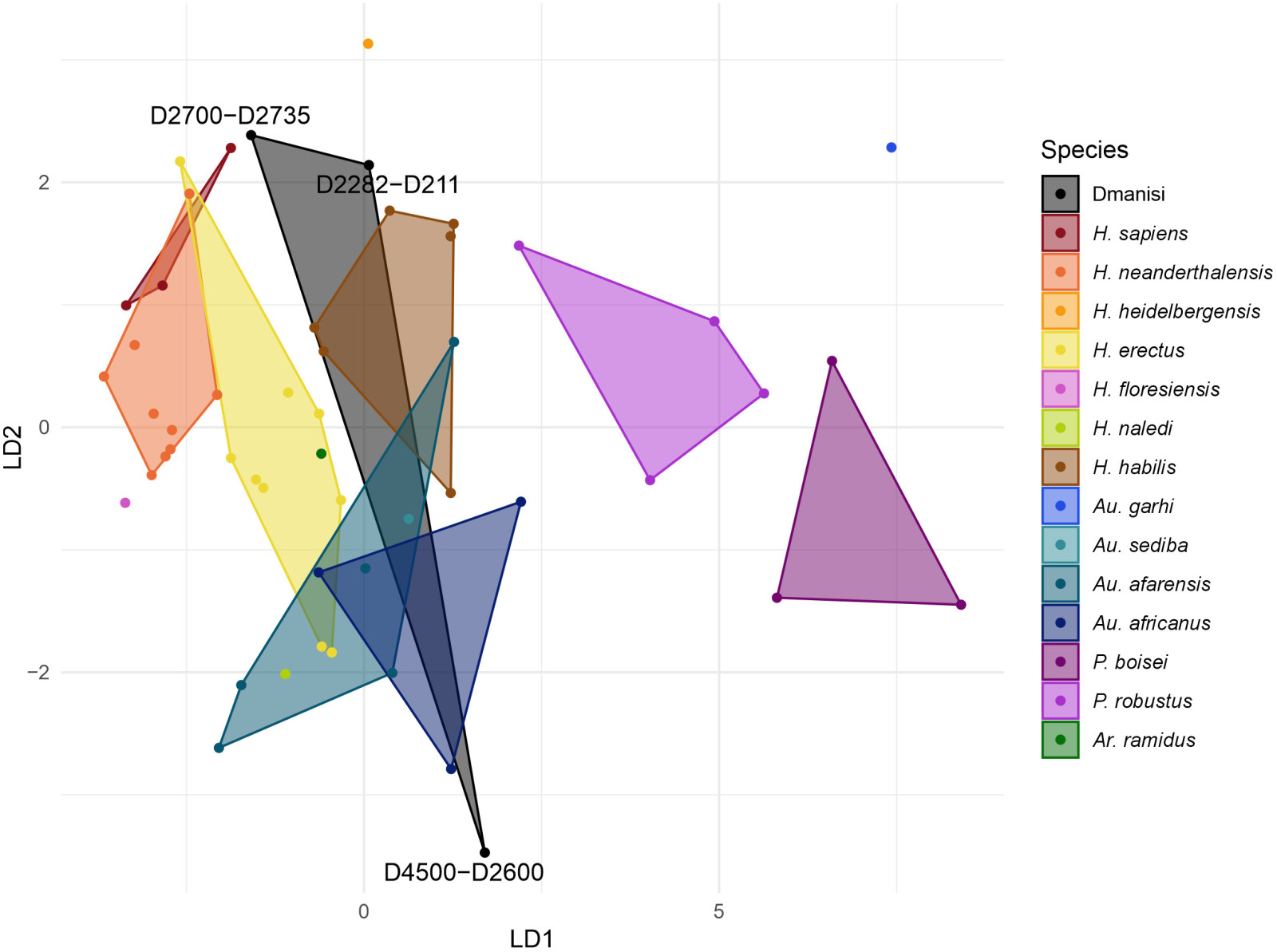
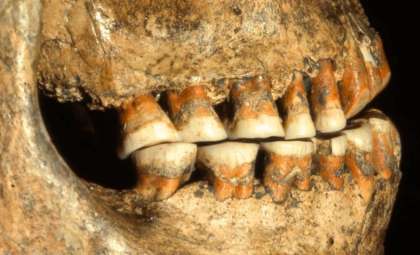
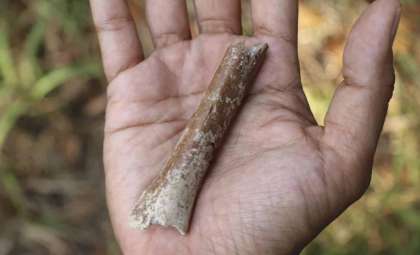
To deepen understanding, scientists focused on a frequently overlooked aspect: teeth. They examined 24 teeth fossils from three different individuals at Dmanisi, comparing them against a dataset of 559 dental samples from other hominin species including Homo erectus, Homo habilis, and earlier ancestors such as Australopithecus.
The results were compelling. Variations in the dental morphology suggested that two distinct hominin groups might have inhabited the Dmanisi area simultaneously.
Teeth Reveal Evidence of Multiple Species
The study, featured in PLOS One, demonstrated that the Dmanisi teeth distinctly fall into two categories. One set bore similarities to Australopithecus characteristics, suggesting a lineage closer to the common ancestor shared with apes. The other bore closer resemblance to early human species like Homo erectus. This marked dental division led researchers to hypothesize that more than one hominin species could have coexisted at the site.
Mark Hubbe, anthropology professor at the University of Tennessee and a co-researcher on the project, stated:
“There were likely more than one species that occurred in the Dmanisi region.”
The notable disparities, particularly within the upper jaw, were too pronounced to be solely attributed to gender or individual variability as previously suggested.
Reassessing Early Human Migration
The possibility of multiple coexisting species at Dmanisi could significantly reshape current models of early human dispersal. Traditionally, Homo erectus has been viewed as the pioneering species exiting Africa and spreading across Eurasia. However, the presence of different species among the Dmanisi fossils implies that earlier, more primitive hominins might have embarked on migrations before Homo erectus.
Chris Stringer, a paleoanthropologist at London’s Natural History Museum not involved in the research, commented on the study's potential impact:
“I agree with the authors that Dmanisi probably has more than one lineage represented,” Stringer stated. “It could have given rise to remote descendants like Homo luzonensis, Homo floresiensis, and Meganthropus.”
One Species or Many? The Ongoing Debate
Despite these revelations, not all scholars concur. Karen Baab, a paleoanthropologist at Midwestern University, argues that the observed differences in Dmanisi teeth could still reflect the natural variation found within a single species, Homo erectus.
Baab admits that multiple species existing simultaneously is a possibility, but she suggests the more straightforward explanation might be that these fossils belong to one highly diverse population rather than separate species.
The conversation surrounding the Dmanisi fossils continues, underscoring how much remains to be discovered about human ancestry.
- Categories:
- Science








0 comments
Sign in to Comment