
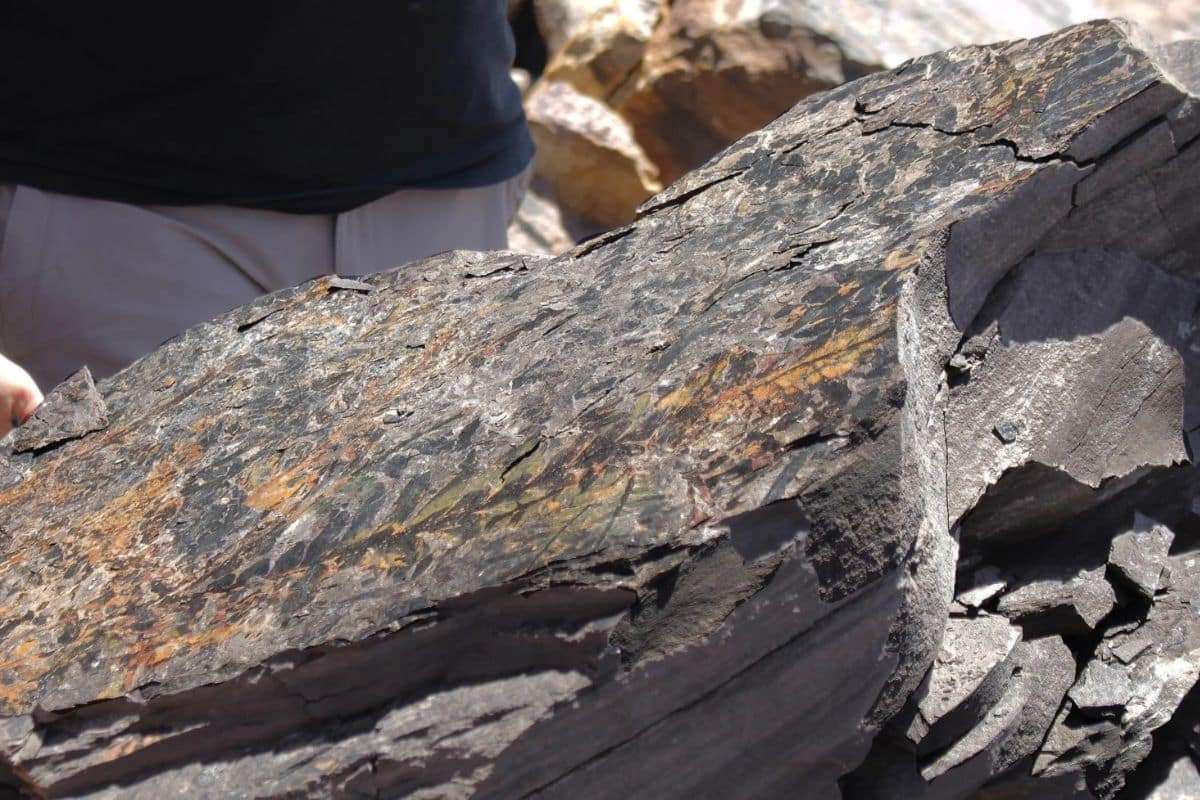
Recent research unveils how prehistoric plant life gradually bounced back from the End-Permian extinction, the most devastating die-off in Earth's history. Scientists studying fossilized plants from Australia’s Sydney Basin discovered a prolonged and turbulent rebound influenced by drastic climate changes.
The End-Permian Event: Nature’s Greatest Crisis
About 252 million years ago, the End-Permian extinction decimated over 80% of marine species along with a massive loss of terrestrial life. Though the marine aftermath has been extensively studied, the survival and restoration of land ecosystems have remained less clear.
A collaborative team from University College Cork (UCC), the University of Connecticut, and the Natural History Museum of Vienna scrutinized fossilized flora and sedimentary layers in Australia to map out the gradual recovery spanning millions of years.
Their findings, featured in GSA Bulletin, provide insights into how various plant groups endured extreme environmental fluctuations and what this could imply for current ecological resilience.

The Collapse and Resurrection of Early Forests
According to fossil records, early conifers, resembling today’s pines, were pioneers recolonizing the ravaged land.
Yet, their prevalence was brief as a severe warming episode, called the Late Smithian Thermal Maximum, triggered another widespread dieback of vegetation.
During this prolonged heat spike lasting roughly 700,000 years, hardy shrubby plants akin to modern club mosses dominated, adapted to survive the intense heat that prevented large trees from thriving during this era.
Recovery began with a cooling interval known as the Smithian-Spathian Event, which fostered the rise of seed ferns. These distinctive plants restored ecological balance and set the stage for the vibrant forests of the Mesozoic Era, the age when dinosaurs would flourish.
Permanent Shifts in Ecosystem Structure
The research demonstrates that although forests regained their presence, their species makeup was fundamentally altered from pre-extinction times. Dr. Chris Mays, who led the study at University College Cork, points out this disrupts the notion that ecosystems simply "bounce back" following a catastrophe.
“Recovery is a gradual and incomplete return; extinction leaves a permanent mark,” the scientist explained.
Ancient Plant Records and Modern Climate Challenges
Our planet faces rapid climate alterations driven by human actions, with warming trends comparable to those during the End-Permian crisis.
The study warns that when ecological networks become severely disturbed, restoration can span millions of years. Such losses in plant diversity and ecosystem stability may cause enduring environmental transformations.
Marcos Amores, the principal author, highlights conservation’s urgency: “This work underscores plants’ vital role not only as the foundation of terrestrial food webs but also as critical carbon sinks maintaining Earth's climate. Disruptions here could have effects that last hundreds of thousands of years.”
- Categories:
- Science









0 comments
Sign in to Comment