
On New Zealand’s North Island, researchers have uncovered fossils dating back more than one million years, offering a window into an ancient ecosystem undergoing significant species changes before human arrival.
This unique assemblage includes birds and frogs preserved within layers of volcanic ash, documenting a chapter in New Zealand’s ecological past previously little known. Historically, extinctions were primarily linked to the arrival of humans roughly 750 years ago, but these findings point to environmental shifts that occurred much earlier, reshaping native wildlife long before humans settled.
The new research, reported in Alcheringa: An Australasian Journal of Palaeontology, reveals a previously unknown group of animals inhabiting North Island forests during the early Pleistocene. This discovery marks the first direct fossil evidence filling a major gap in the region’s prehistoric record.

Volcanic Layers Preserve a Prehistoric Forest
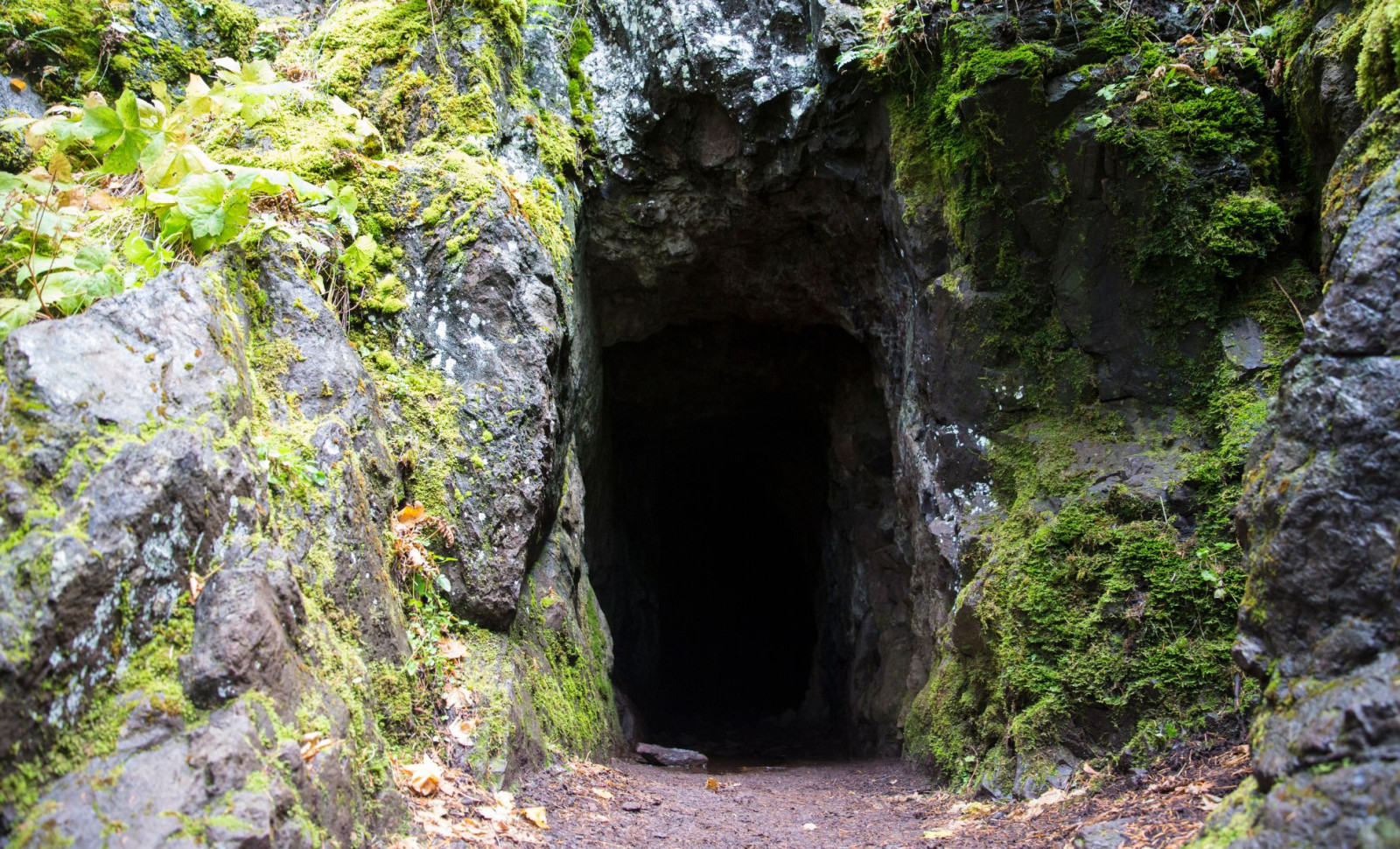
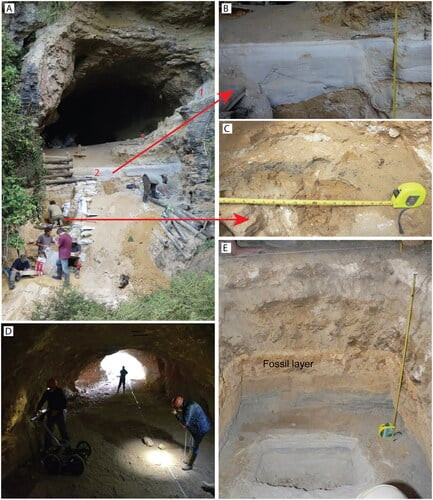
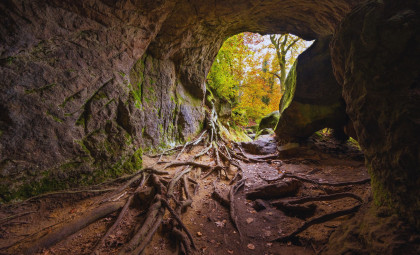
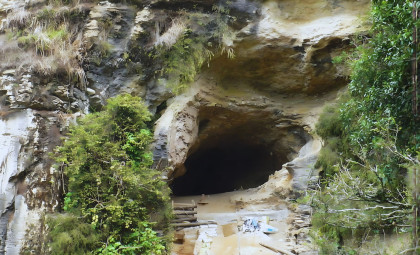
The fossils were excavated from a cave where sediment was trapped between two distinct volcanic ash layers, deposited by separate eruptions. Scientists dated the lower ash at about 1.55 million years old and the upper layer to nearly 1 million years ago.
Within this natural time capsule, the team identified remains from 12 different bird species and four frog species, many of which were previously unknown to science.
Lead author Trevor Worthy from Flinders University explained that this fossil community represents a vanished avian population that existed long before human colonization.
“This is a newly recognized avifauna for New Zealand, one that was replaced by the one humans encountered a million years later,” Worthy explianed in a statement published by the Canterbury Museum. “This remarkable find suggests our ancient forests were once home to a diverse group of birds that did not survive the next million years.”
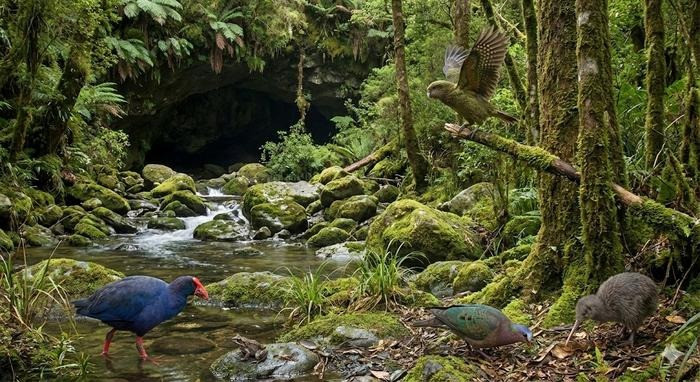
The fossil evidence suggests these prehistoric forests were home to species assemblages distinct from those found in today’s ecosystems. The findings also help close an important temporal gap in New Zealand’s paleontological record.
Environmental Shifts Impacted Biodiversity Pre-Human Arrival
The data imply that species extinctions were already actively reshaping biodiversity on the North Island centuries before humans made their appearance. Fossil analysis indicates that between 33 and 50 percent of the island’s species vanished during the million years preceding human colonization.
Paul Scofield, co-author and Natural History Senior Curator at Canterbury Museum, noted that volcanic activity and climate fluctuations likely drove much of this decline. Worthy added that these results challenge the traditional narrative about extinction timing in New Zealand.
“For decades, the extinction of New Zealand’s birds was viewed primarily through the lens of human arrival 750 years ago. This study proves that natural forces like super-volcanoes and dramatic climate shifts were already sculpting the unique identity of our wildlife over a million years ago.”
Fossil Discoveries Illuminate an Ongoing Evolutionary Tale
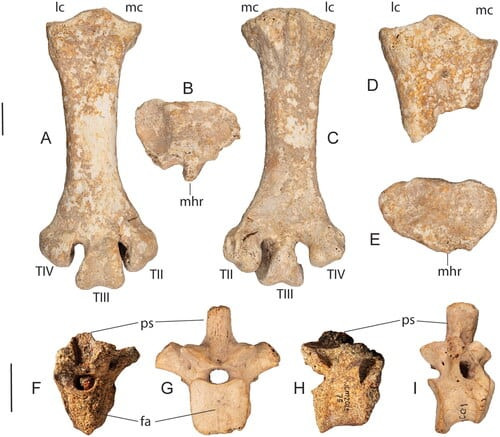
Among the fossilized remains was Strigops insulaborealis, an ancient parrot species closely related to today’s Kākāpō. Anatomical evidence suggests this ancestral parrot may have been capable of flight.
Researchers based this hypothesis on the relatively weaker leg bones compared to the flightless modern Kākāpō, which is adapted for climbing. Nevertheless, further studies are needed to fully confirm these traits.
The cave also contained fossils related to an ancestor of the modern Takahe and remains of an extinct pigeon species closely allied with Australian bronzewing pigeons.
Scofield emphasized how recurrent environmental changes reshaped habitats, enabling new wildlife species to evolve.
“The shifting forest and shrubland habitats forced a reset of the bird populations,” he said. “We believe this was a major driver for the evolutionary diversification of birds and other fauna in the North Island.”
While previous digs uncovered fossils dating back 20 to 16 million years, this discovery fills the crucial gap spanning from 15 million to 1 million years ago, enriching our understanding of New Zealand’s deep past.
- Categories:
- Science

0 comments
Sign in to Comment