
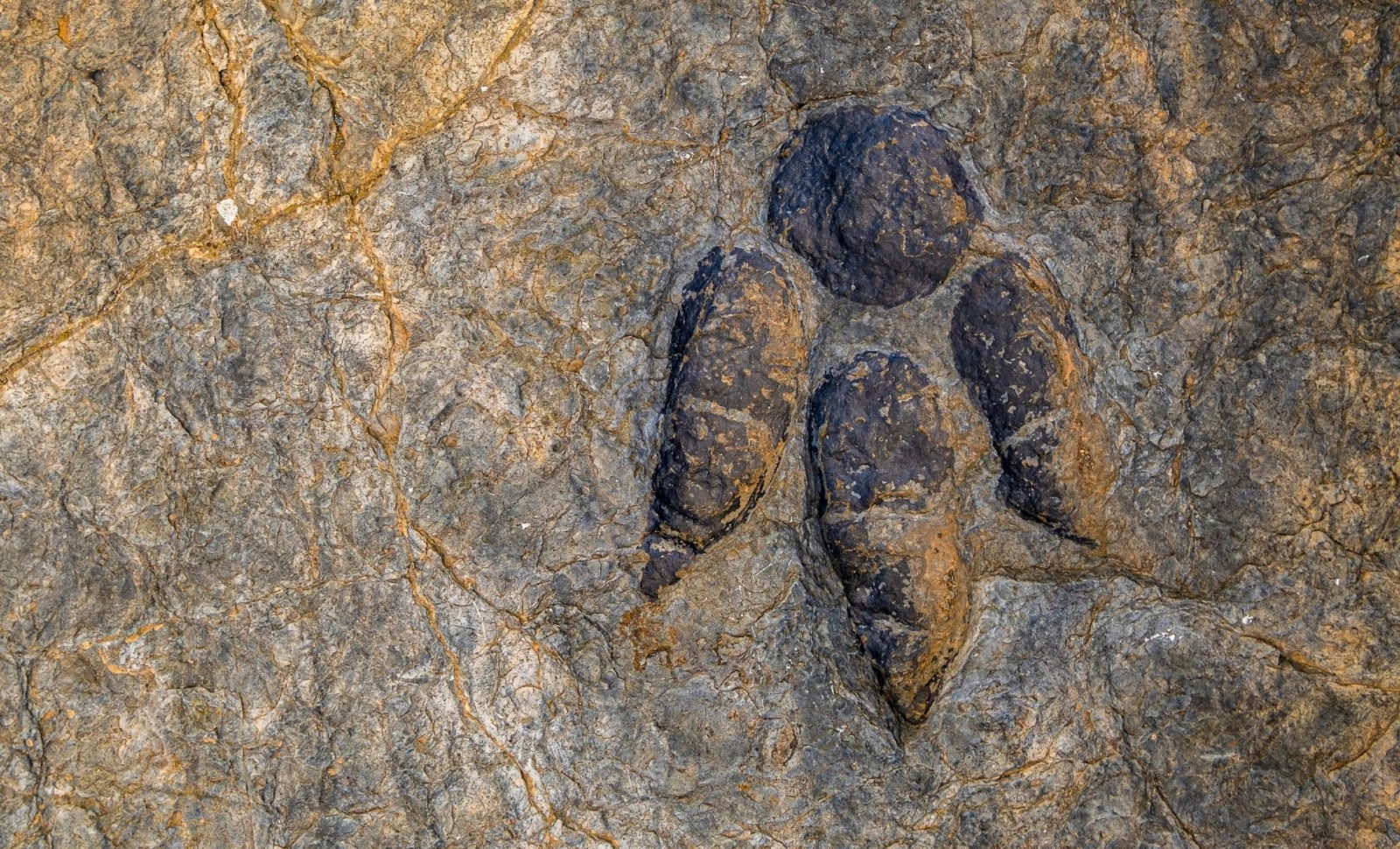
A newly identified species of duck-billed dinosaur has been officially named based on fossils found in northern New Mexico more than 100 years ago. The enormous dinosaur, Ahshislesaurus wimani, weighed around nine tons and stretched over 35 feet long, as detailed in research featured in the New Mexico Museum of Natural History and Science Bulletin 101.
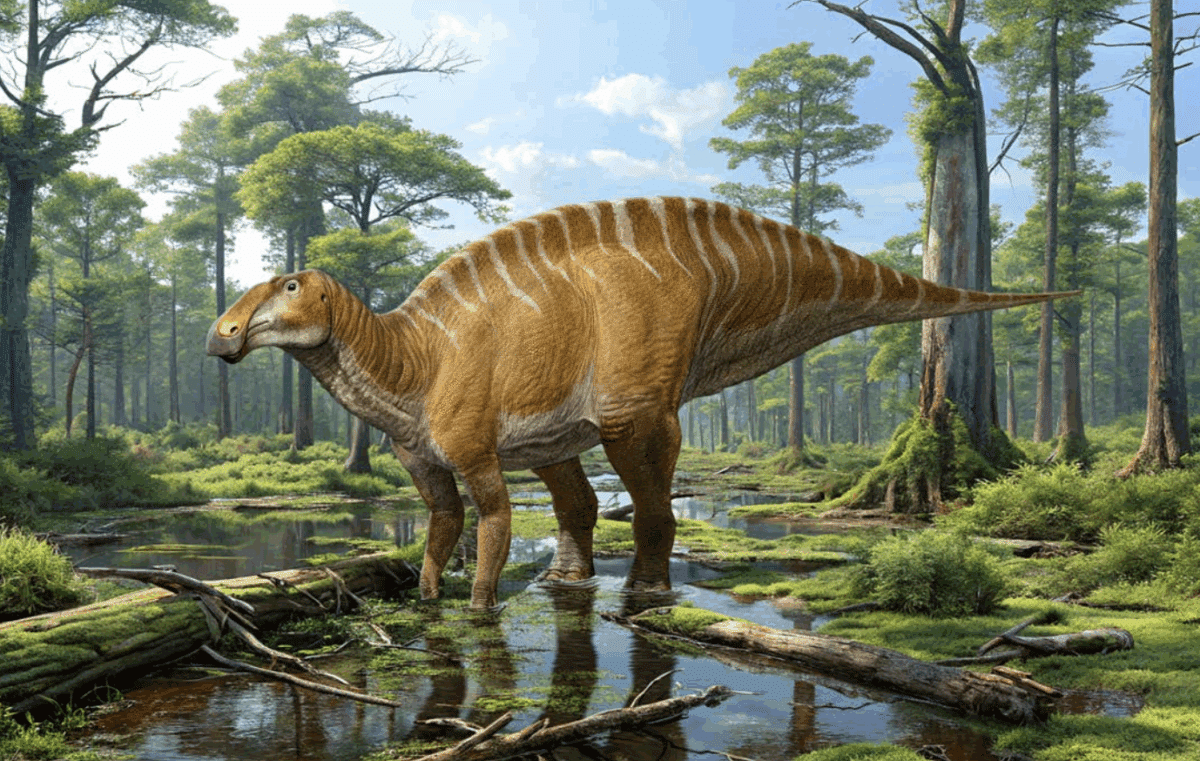
This plant-eating creature with a flat skull inhabited a region dense with rivers roughly 75 million years ago during the Late Cretaceous period. Its remains had mistakenly been attributed to a different species until recent scientific reassessment clarified its identity.
Over a Century Old Fossils Finally Reclassified
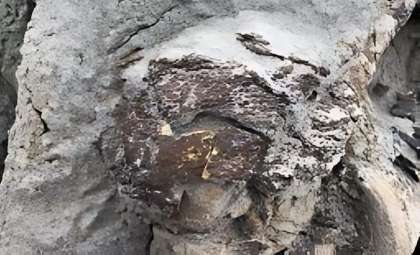
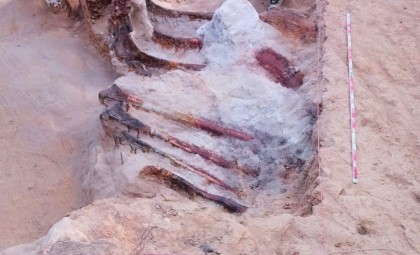
The specimens of Ahshislesaurus wimani were initially excavated in 1916 from the Ah-shi-sle-pah Wilderness Study Area in San Juan County, New Mexico. For many years, these fossils were mislabeled as belonging to Kritosaurus navajovius. A fresh review led by Spencer G. Lucas from the New Mexico Museum of Natural History and Science (NMMNHS) has now set the record straight.

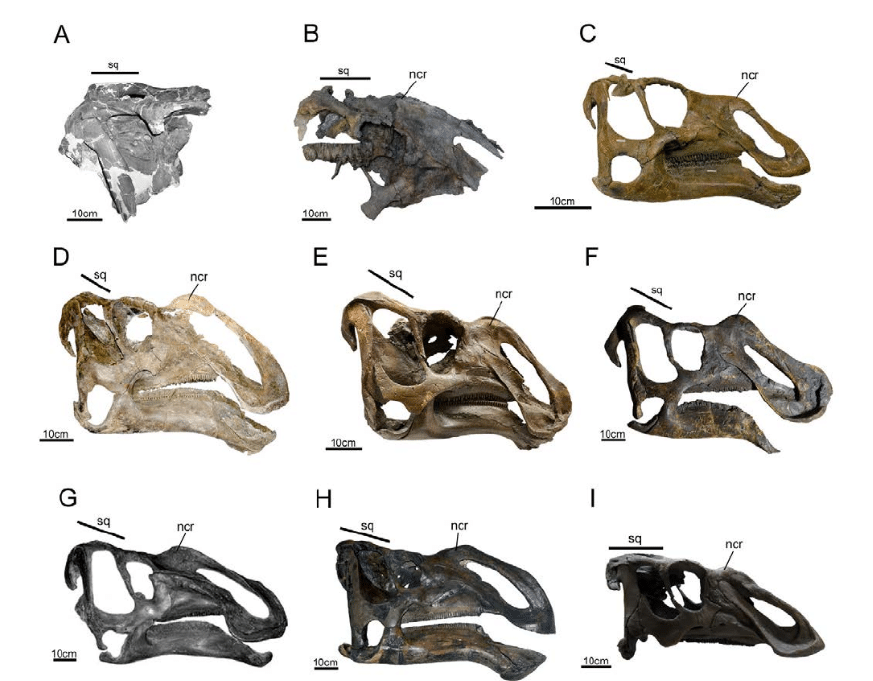
This reclassification, conducted collaboratively with paleontologists from Slovakia and the United States, examined distinctive skull and jaw anatomy. Features such as a strong cheekbone area, a quadrate bone positioned with a posterodorsally oriented head, and a deep lower jaw built for sustained grinding distinguished this hadrosaur. These details, meticulously described in Bulletin 101, provided justification for naming Ahshislesaurus wimani as a new species.
Durable Herbivore with a Distinctive Flat Head
Falling under the family Hadrosauridae, Ahshislesaurus belongs to a group known for broad, duck-like snouts. It is specifically part of the Saurolophinae subset, which lacks the tall, hollow crests characteristic of the flamboyant lambeosaurines. Its flat facial structure and robust jaw highlight a divergent evolutionary path among hadrosaurs.
The study indicates that Ahshislesaurus's large body and specialized teeth were adapted for browsing a varied diet of conifers and flowering plants. Its deep lower jaw and numerous teeth allowed continuous chewing, an ability likely crucial for processing abundant vegetation in its lush river valley environment.
Exploring New Mexico’s Late Cretaceous Landscape
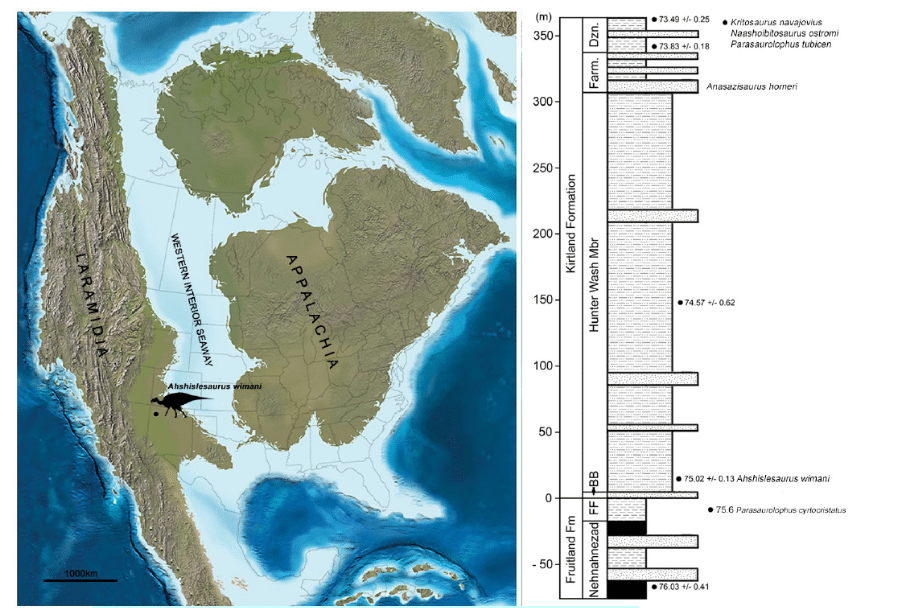
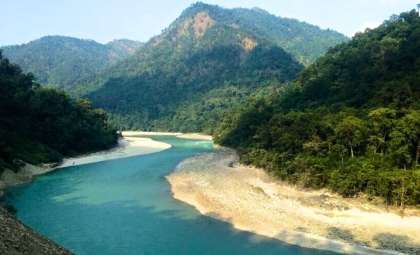
During the Campanian age of the Late Cretaceous, about 75 million years ago, the area now called New Mexico was part of Laramidia, a long, narrow landmass along western North America. Separated from the eastern landmass by a shallow sea, this geographic isolation influenced the unique evolution of regional dinosaur species.
Fossils were extracted from the Hunter Wash Member of the Kirtland Formation, a renowned rock formation rich in Late Cretaceous fossils. Ahshislesaurus shared its habitat with a diverse array of contemporaneous dinosaurs.
- Categories:
- Science





0 comments
Sign in to Comment