
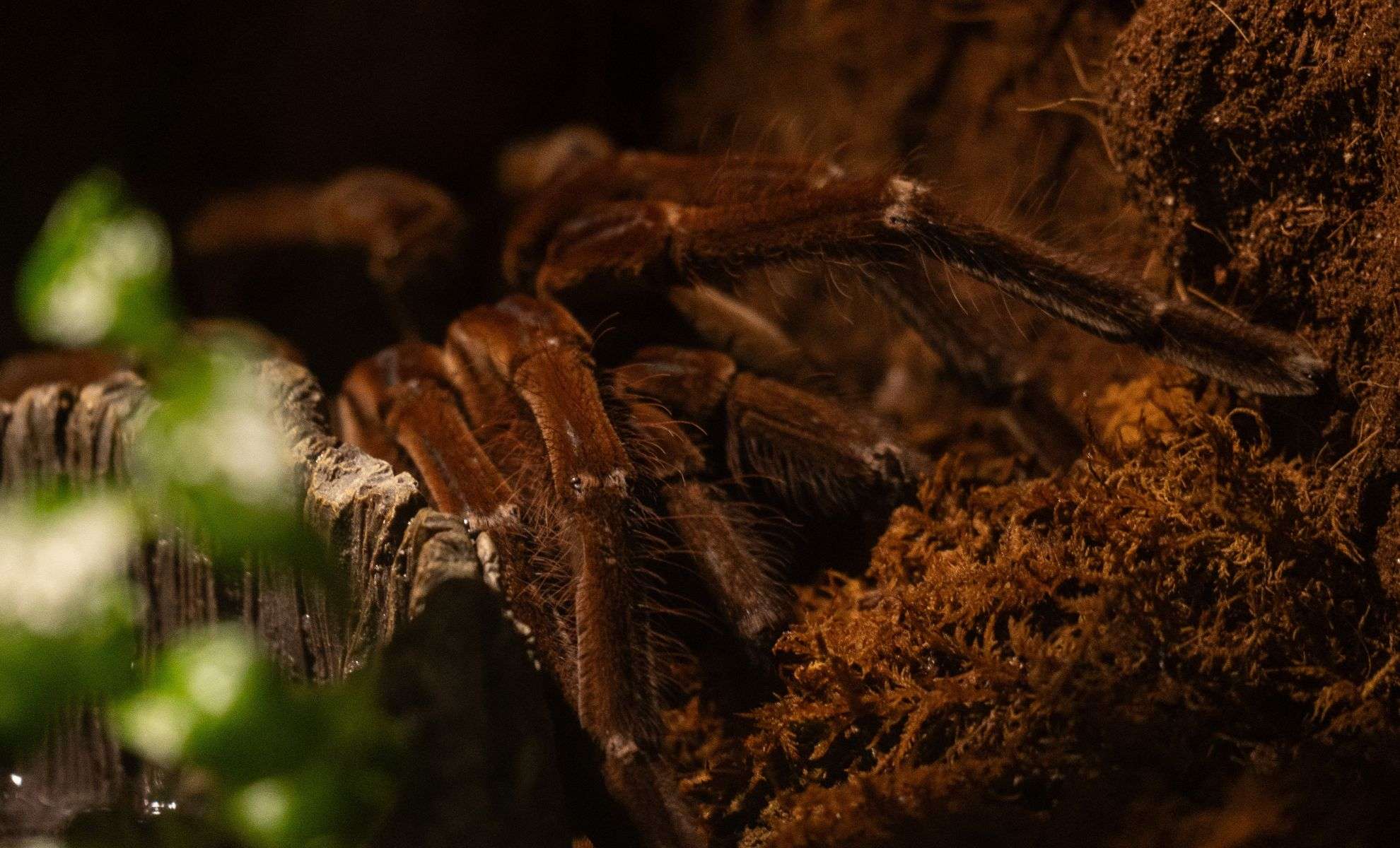
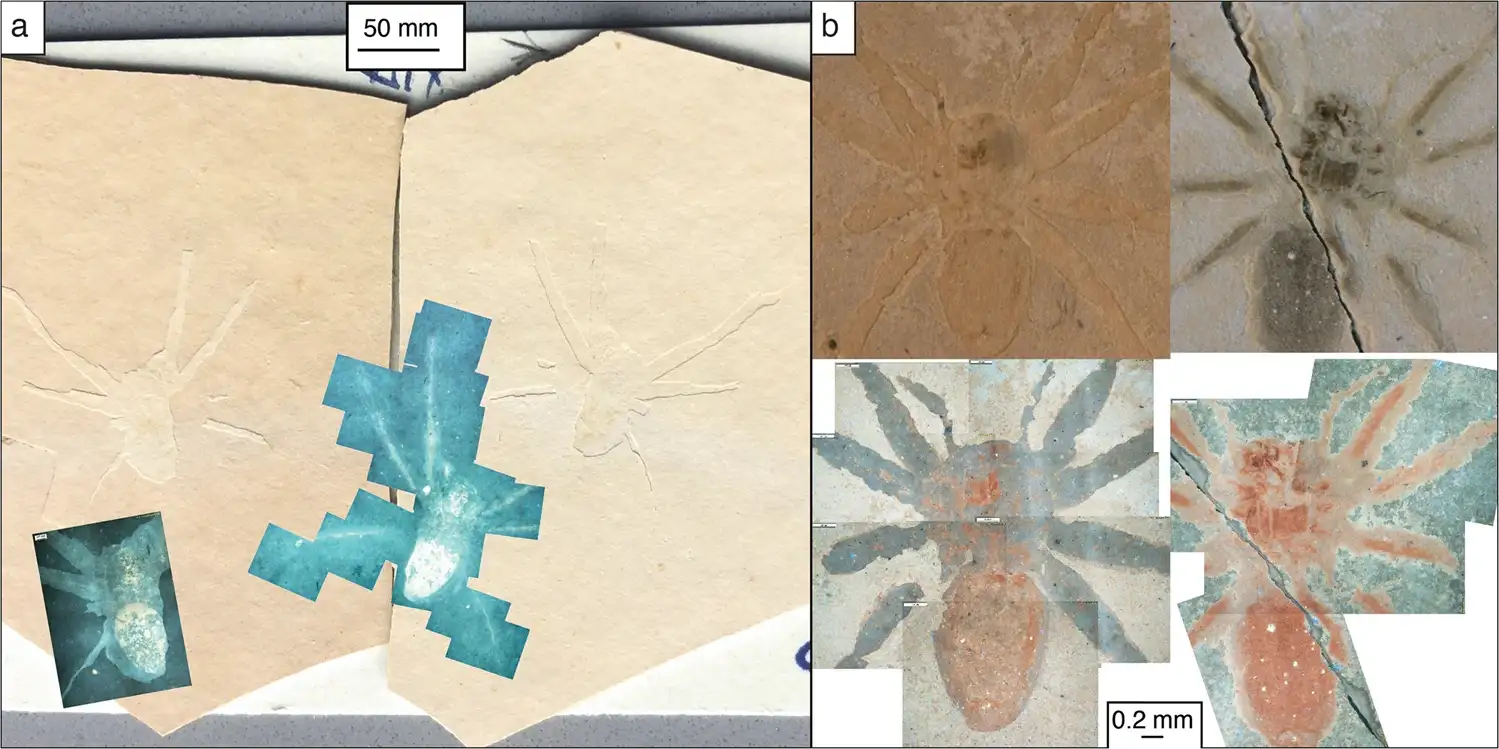
Scientists have uncovered exceptional spider fossils in southern France that illuminate an extraordinary natural preservation method from millions of years ago. Found within the Aix-en-Provence Formation, these Oligocene-aged specimens emit a vibrant glow when exposed to ultraviolet light, prompting researchers to investigate the factors behind their remarkable state.
Published in Communications Earth & Environment, the study highlights fossils dated between 23 and 34 million years old as some of the most well-preserved terrestrial arthropods from that era. A team from the University of Kansas unraveled the chemical interactions that contributed to their enduring conservation.
A Fossil Treasure Trove
The Aix-en-Provence Formation has captivated fossil enthusiasts since the 18th century, offering a diverse collection of life forms from the Cenozoic Era. As detailed by SciTechDaily, the location has produced a wide variety of specimens, including ancient flora and numerous terrestrial arthropods like insects and spiders.

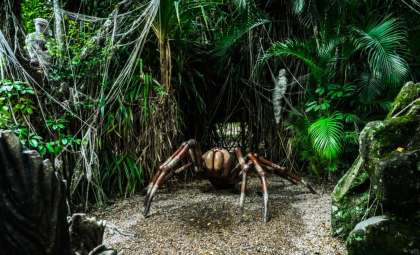
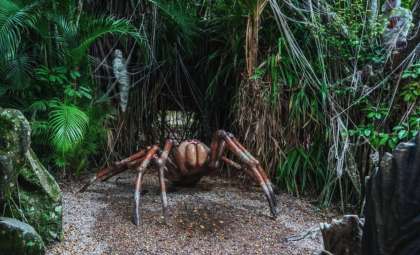
A standout feature of the site is its abundance of spider fossils, which is rare since spiders’ delicate bodies typically degrade before fossilization. “Fossilization is a rare event for most organisms,” explained Alison Olcott, lead researcher and professor at the University of Kansas. Due to their lack of bones or shells, spiders often vanish without any fossil record.
UV Light Reveals Hidden Glow
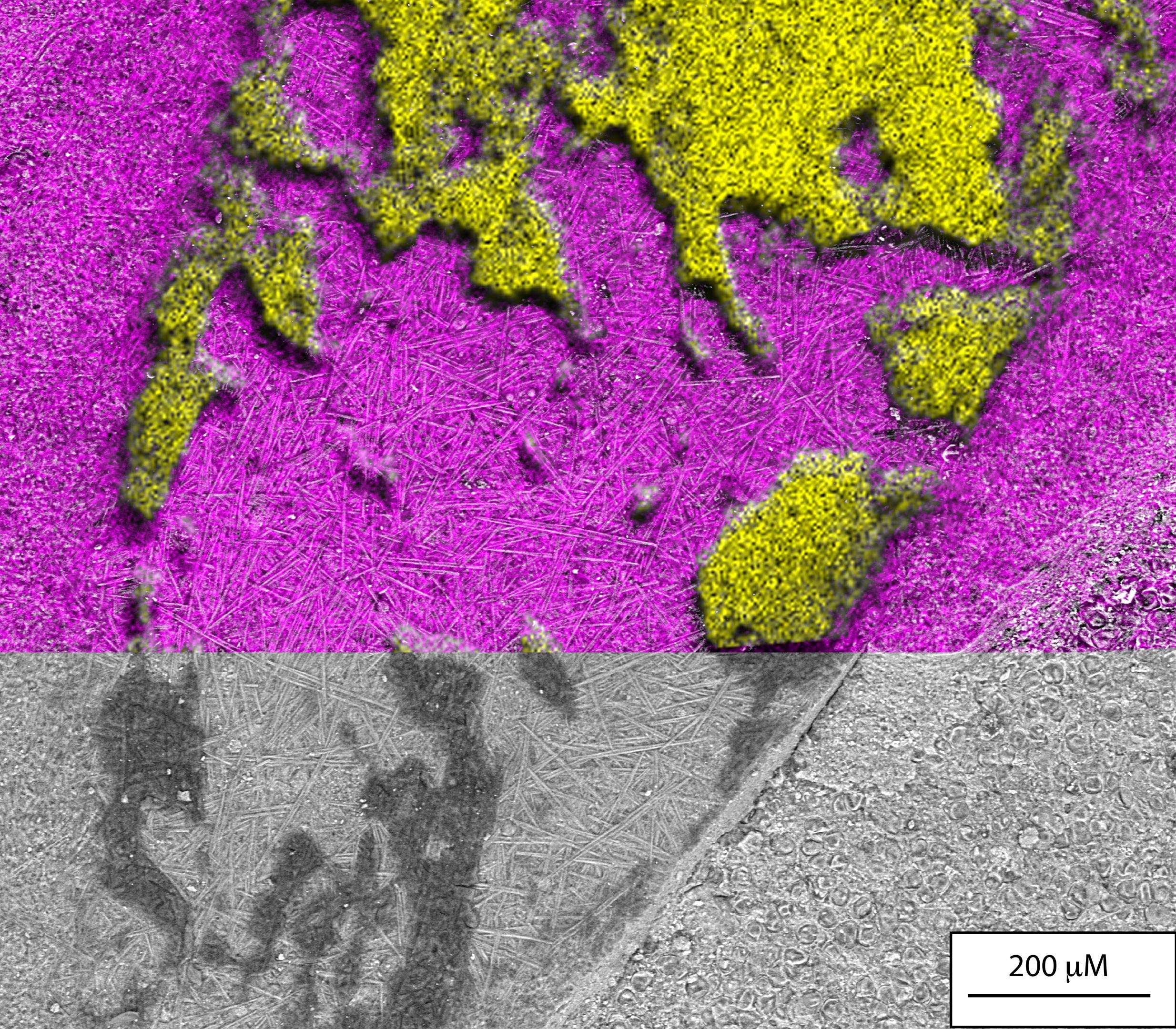
A pivotal discovery occurred when researchers examined the fossils under a fluorescent microscope. Though nearly invisible in natural light, the spider remains radiated brightly under UV illumination. This unexpected fluorescence led to further chemical analysis of the fossils.
The team identified a dark, tar-like polymer rich in carbon and sulfur as the source of the luminescence. The study describes this substance as resembling the black material seen in asphalt. More importantly, this glowing compound was a sign of sulfurization, a chemical process that helped preserve the spiders’ bodies for tens of millions of years.
Microalgae Facilitate Preservation
Subsequent investigations revealed the fossils were enveloped by two species of microalgae, specifically diatoms. These tiny aquatic organisms secrete a sticky substance that likely created an oxygen-deficient environment, minimizing decay and promoting sulfurization of organic tissues.
The researchers propose that the interaction between the diatom mats and the spiders’ chitinous exoskeletons facilitated the formation of sulfur-based chemical bonds, stabilizing the fossils in a process akin to vulcanization, which is commonly used in rubber production.
These insights offer a potential explanation for other anomalies in Cenozoic fossil assemblages where soft-bodied creatures are notably well-preserved. Olcott points out that up to 80% of these fossil-rich sites may be linked to environments dominated by diatoms, indicating this preservation mechanism might be more universal than previously thought. The fossils from Aix-en-Provence now serve as a valuable model for advancing paleontological research.
- Categories:
- Science



0 comments
Sign in to Comment