
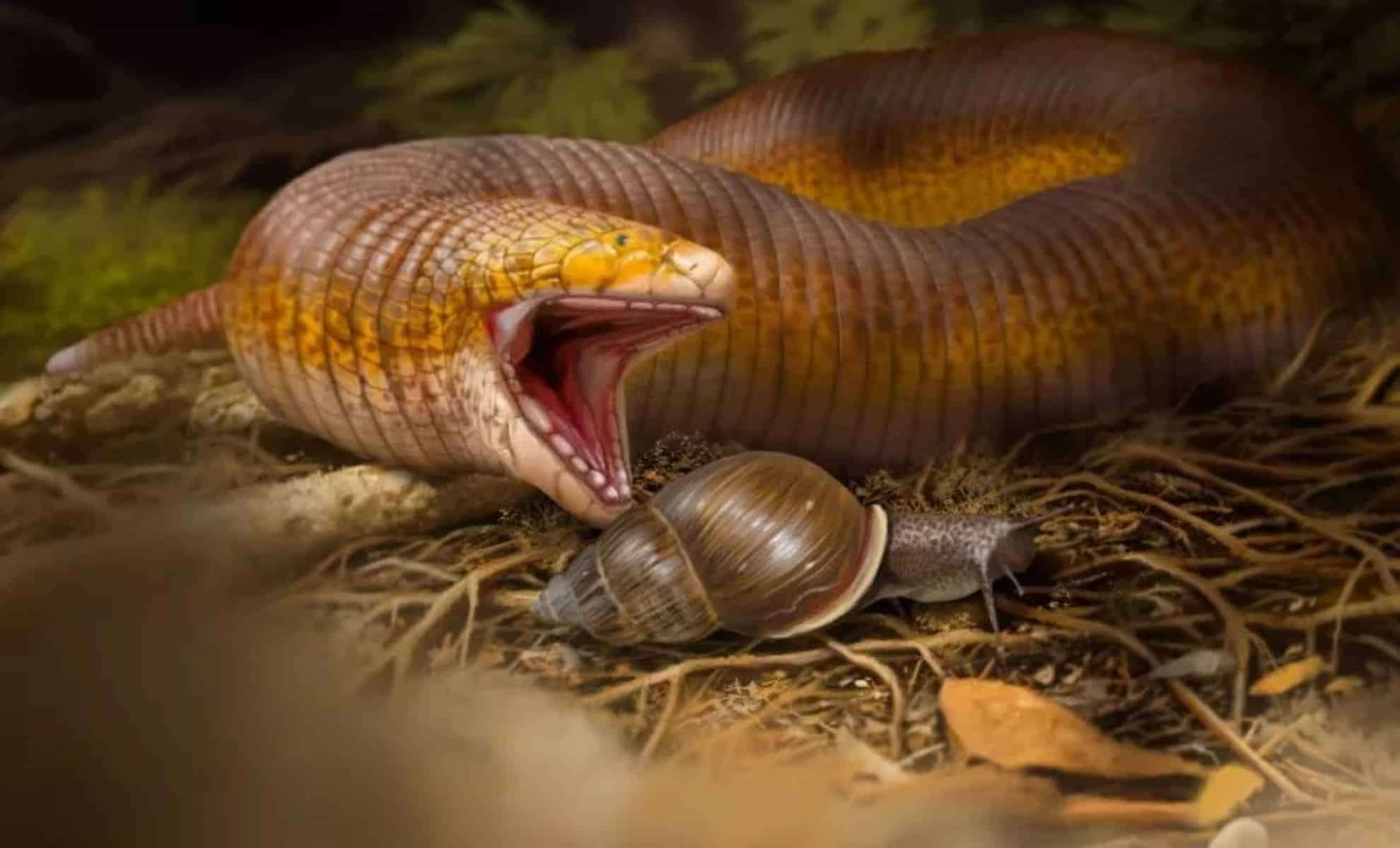
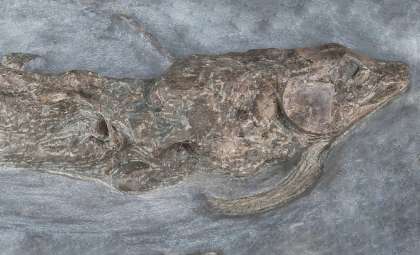
Scientists have identified a remarkable prehistoric reptile, Terastiodontosaurus marcelosanchezi, which represents the biggest worm lizard species ever found. Detailed in a paper published in the Zoological Journal, this ancient creature measured over 3 feet in length, far exceeding the size of previously known worm lizards.
An Exceptional Ancient Reptile Found in Tunisia
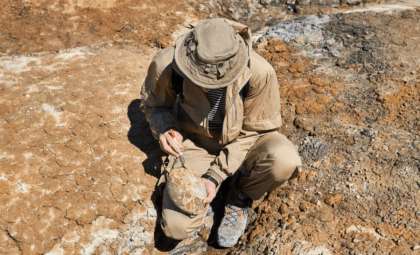
The fossils of T. marcelosanchezi were excavated from Djebel Chambi National Park in Tunisia and date to the Eocene epoch, about 50 million years ago. Unlike the small, limbless worm lizards alive today, this giant was likely adapted to a life above the ground rather than burrowing beneath it.
“Its size is extraordinary for the amphisbaenian group,” stated Georgios Georgalis, the lead researcher. This discovery challenges longstanding views about the biology and ecological habits of worm lizards, members of the squamate reptile family.

A Living Parallel to the Iconic Sci-Fi Sandworm
The sheer bulk and powerful jaw structure of this species have drawn parallels to the famous sandworms featured in the Dune series.
“You can imagine it resembling the ‘sandworm’ from ‘Dune,’” Georgalis remarked.
This analogy also illustrates its likely hunting technique. With hardened tooth enamel combined with strong jaw muscles, T. marcelosanchezi probably specialized in preying on snails, using its strength to crush their shells.
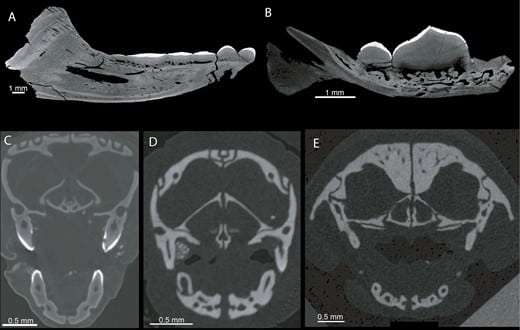
“The tooth enamel’s thickness suggests exceptionally powerful jaw muscles,” the team explained.
The Biggest Worm Lizard Ever Discovered
Boasting a skull length over 2 inches, this species dwarfs all known worm lizards, living or extinct. Based on comparisons with relatives, scientists believe T. marcelosanchezi is the largest known member of the North African Trogonophid family. These lizards are defined by distinct skull and dental characteristics, tail shapes, and burrowing behavior.
The fossils, primarily jaws and vertebrae across various sizes, indicate multiple individuals were found.
Insights Tied to a Warmer Climate
The research suggests the reptile's extraordinary size might relate to the warmer global temperatures during the Eocene epoch.
“Its remarkable body size likely correlates with the higher temperatures of this ancient period,” noted co-author Krister Smith from the Senckenberg Research Institute in Frankfurt.
This observation fits with broader patterns among Eocene reptiles, where warmer climates favored larger animal sizes.
A Unique Evolutionary Path and Potent Bite
Unlike modern trogonophids that remain relatively small and seldom exceed a few inches, this ancient species defied the norm. Researchers identified distinctly “extreme” and “unique” features in its dentition.
These specialized anatomical traits likely granted T. marcelosanchezi a powerful bite, positioning it as an effective predator in its environment. Its large size and surface-active lifestyle represent a significant evolutionary shift from the subterranean habits of its contemporary relatives.
The discovery of Terastiodontosaurus marcelosanchezi expands our understanding of the diversity among worm lizards and sheds light on reptilian adaptations during prehistoric climatic conditions. For more details, see prehistoric Earth studies.
- Categories:
- Science






0 comments
Sign in to Comment