
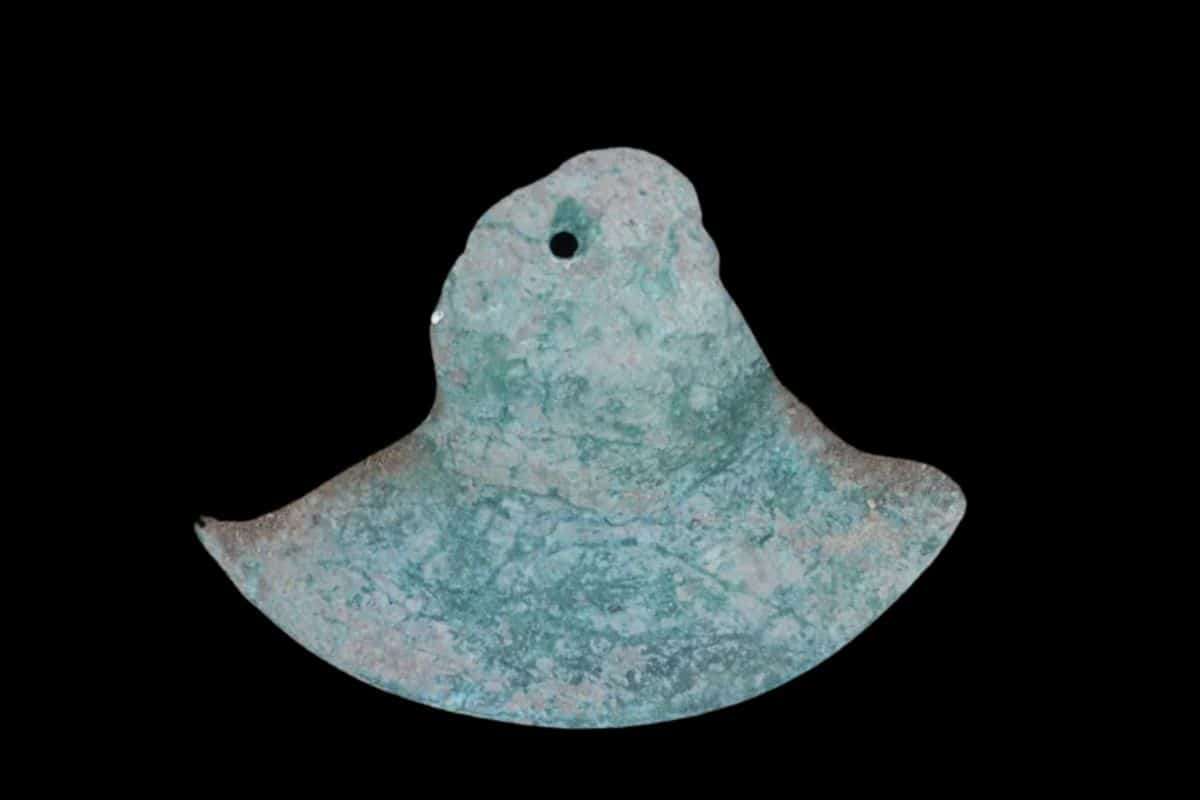
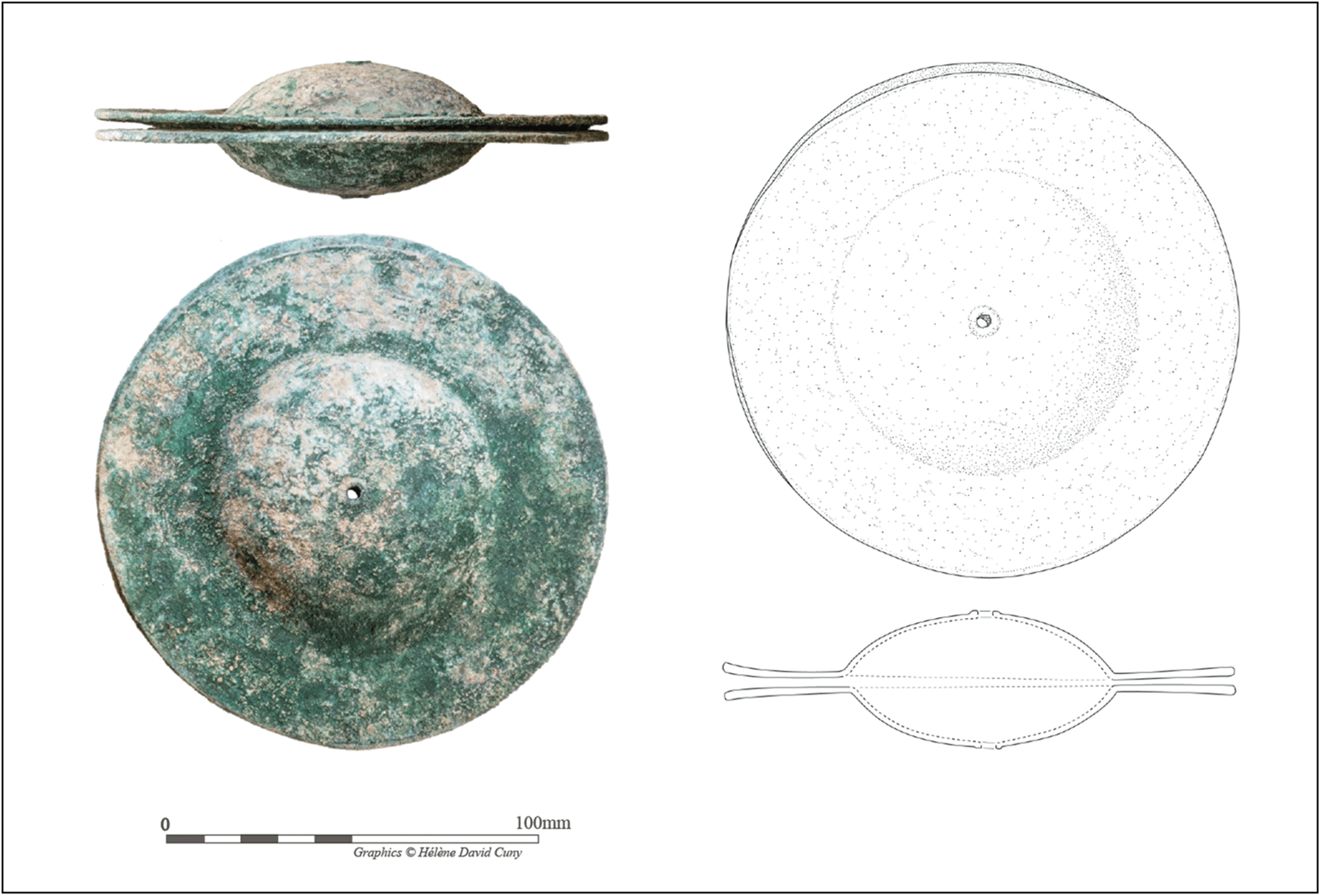
Archaeologists have uncovered two copper cymbals at a settlement dating back 4,000 years near the modern-day village of Dahwa in Oman. These cymbals illuminate ancient musical heritage and hint at cultural interactions between Arabian and South Asian civilizations during the Bronze Age.
Connecting Ancient Cultures Through Music
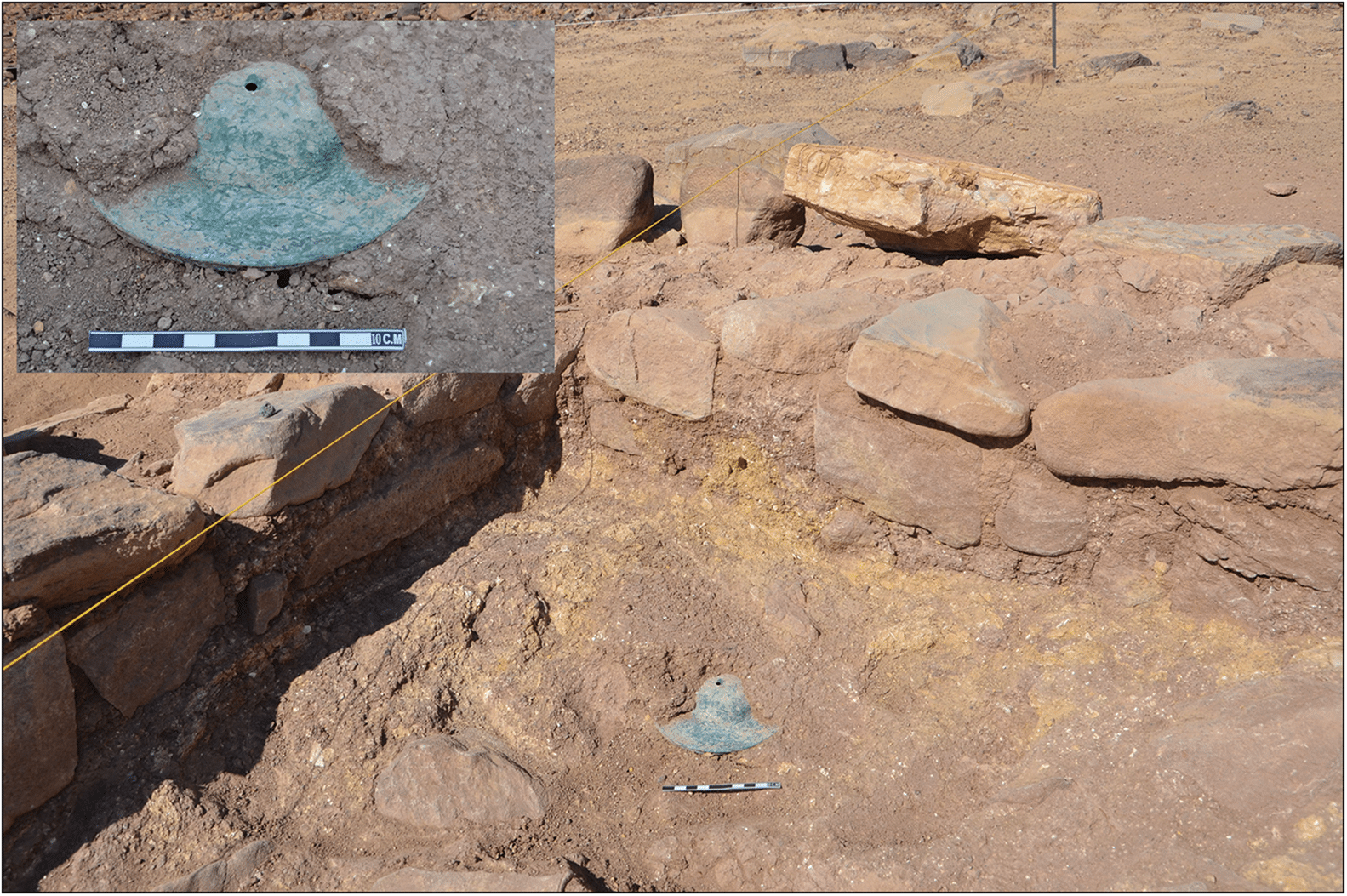
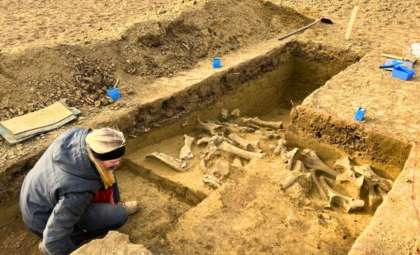
Excavations within a rectangular structure, possibly dedicated to religious use, at the Dahwa archaeological site in southeastern Arabia revealed the pair of cymbals. They were positioned one on top of the other beneath a stone floor, implying their role as ceremonial offerings in religious practices.
This find is remarkable not only for its scarcity but also because it provides insights into the cultural influences exchanged between distant areas. Although the cymbals resemble those from the Indus Valley civilization (in present-day Pakistan), metallurgical studies confirmed the copper was sourced locally within Oman.

Musical Instruments in Ceremonial Contexts
Cymbals have long played a role in the religious and ritualistic traditions of numerous cultures. During the Bronze Age, these instruments were frequently used in temples alongside chanting and dancing, a fact documented through artistic representations and ancient texts from the Middle East to South Asia.
At Dahwa, the cymbals’ placement in a high vantage point overlooking the settlement hints that the building could have served as a venue for musical rituals. Their burial beneath the stone floor suggests they were likely offerings dedicated to deities, a practice widely observed in many ancient societies.
Tracing the Origins of Cultural Traditions
The origin of these musical customs remains a subject of debate. The cymbals found in Dahwa indicate that the site may have been a focal point for cultural interactions. Despite their similarity to Indus Valley cymbals, it is unclear whether the influences moved from southeastern Arabia to South Asia or in the opposite direction.
“Ritual traditions in which the Dahwa cymbals were used may have been transmitted from southeastern Arabia to the Indus Valley, or vice versa,” archaeologist Khaled Douglas explained.
Adding to this complexity, genetic data reveals that populations from the Indus Valley likely migrated as far west as eastern Iran, potentially carrying and diffusing their cultural and ritualistic practices across regions.
Cultural Exchange Beyond Trade
Prior to this discovery, contact evidence between these ancient cultures mostly involved traded items such as pottery, beads, and various metal artifacts like knives and cooking utensils. Uncovering musical instruments like cymbals introduces a fresh perspective on the complexity of Bronze Age cultural connections.
“These findings suggest that contact between ancient communities on both sides of the Arabian Gulf resulted in shared musical traditions central to rituals and religious beliefs,” researchers concluded.
While the cymbals were made from locally mined copper, their design mirrors those of distant lands, demonstrating how ancient peoples incorporated foreign ceremonial elements using regional materials.
- Categories:
- Science









0 comments
Sign in to Comment