
Archaeologists have uncovered two shallow hearths, positioned side by side and dating back nearly 9,000 years in the Judean Hills, that challenge long-held views of early construction technology. While one hearth was used to burn limestone, the other was dedicated to dolomite, a mineral notably difficult to process due to its precise heating requirements.
The creators of these fires were Neolithic artisans, without metal tools or written guides, who ingeniously tackled complex material challenges thousands of years before written recipes existed.
At the archaeological site known as Motza, situated about five kilometers west of Jerusalem, evidence has been found indicating that Pre-Pottery Neolithic B societies manufactured plaster from dolomite. This plaster is harder and more water-resistant than traditional lime plaster. Published in the Journal of Archaeological Science, this finding pushes back the earliest usage of pyrogenic dolomite in building techniques by roughly eight millennia.

Until now, the earliest known use of dolomite-based plaster was linked to the Roman era, where Vitruvius in the first century BC identified the right stones for producing lime. The use of dolomite plaster in construction was attributed to Roman innovation—Motza’s discovery now reshapes this historical timeline.
Neolithic Village Featuring Extensive Plaster Flooring
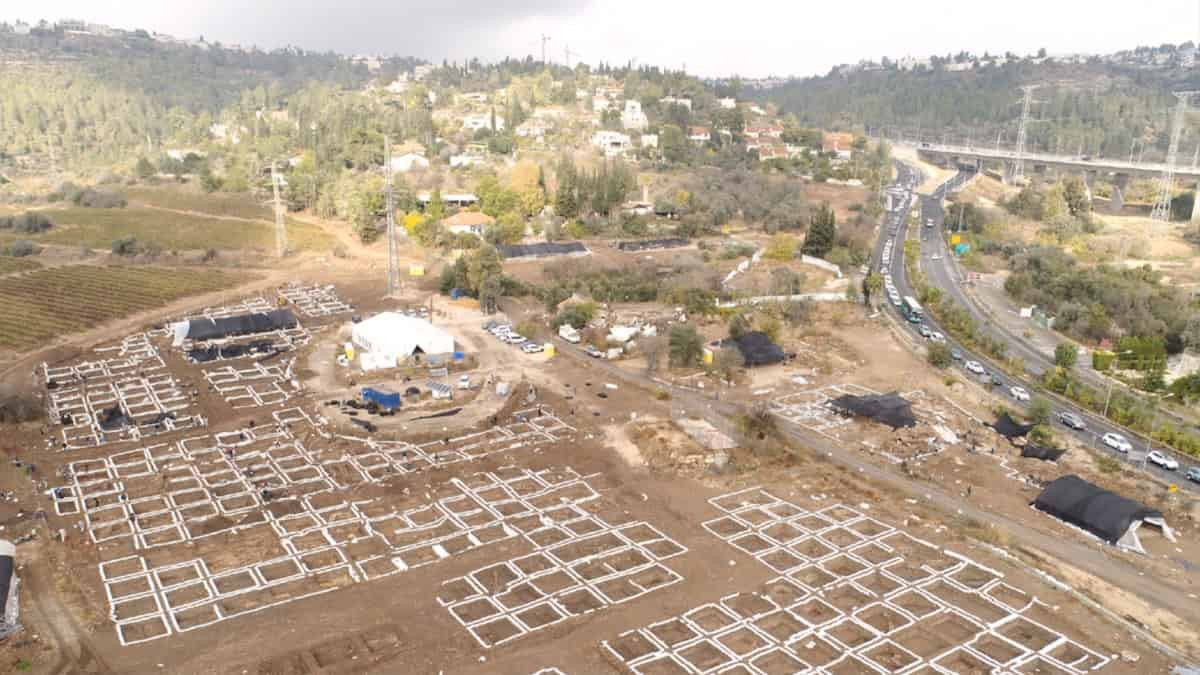
These findings come from extensive rescue excavations conducted between 2015 and 2021 ahead of a road-building project. Under later layers of occupation, archaeologists uncovered an expansive Neolithic settlement primarily dated between 7100 and 6700 BC.
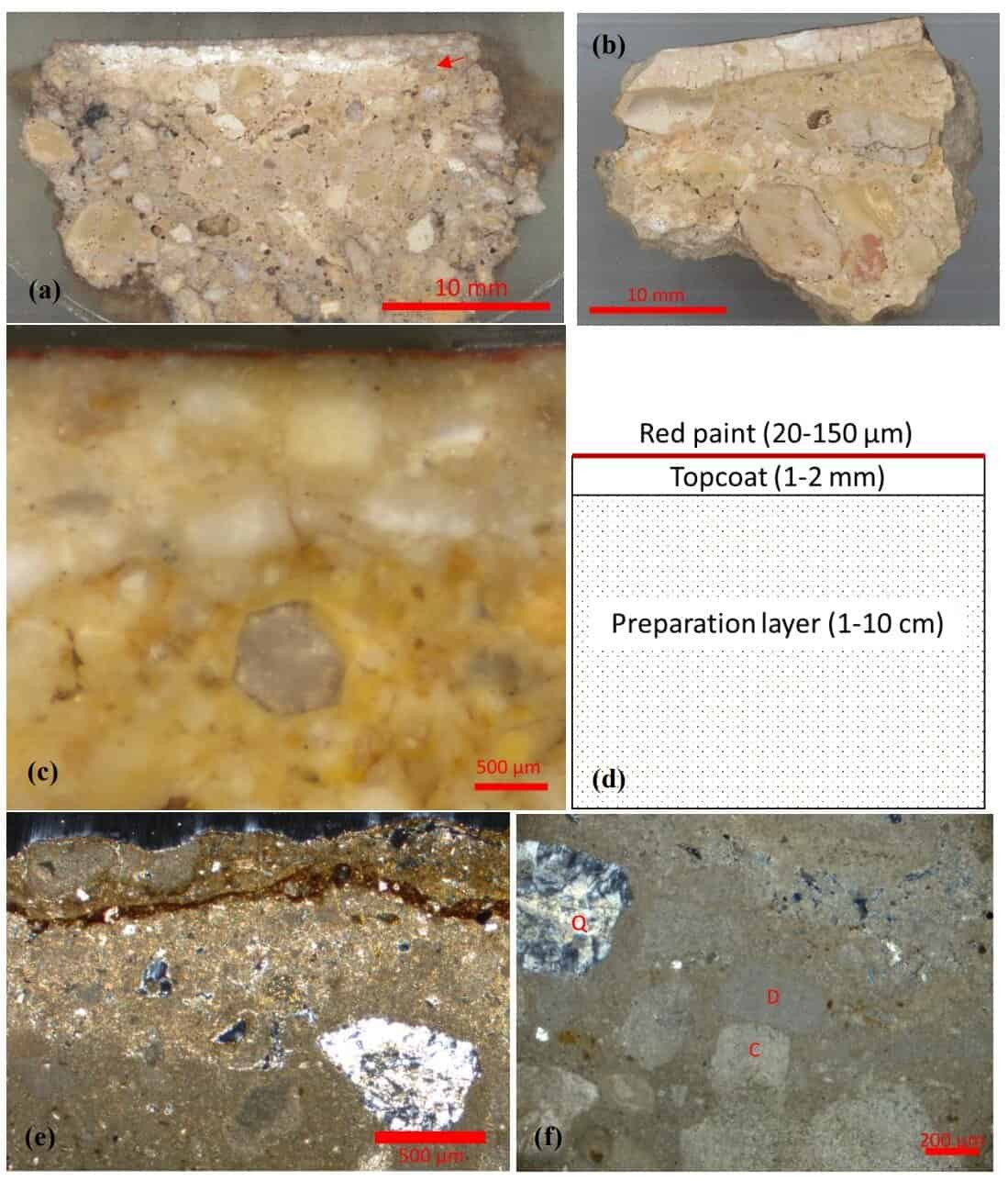
Researchers unearthed over one hundred plaster-coated floors, with earlier layers showing well-preserved red pigment stains, while newer plaster floors tended to be thinner, less compact, and more porous.
Traditional lime plaster mainly derives from limestone, rich in calcite. Dolomite differs, containing both calcium and magnesium carbonate, and it requires firing at a lower temperature than calcite.
When processed properly, dolomite plaster forms a more robust and water-resistant layer but demands precise heating below approximately 900 degrees Celsius. Incorrect temperature, fuel usage, or water content during slaking can spoil the plaster entirely.
This complexity is why dolomitic lime appears later in archaeological records, but the Motza case shows it was mastered much earlier.
Distinct Firing Sites Reveal Dual-Plaster Techniques
The most compelling sign of sophisticated craft control comes from two side-by-side shallow fire pits, each about 1.5 to 2.6 meters wide and 0.5 meters deep. One pit was exclusively used for limestone, the other for dolomite.
The sharp distinction indicates that the Neolithic workers understood the different thermal behaviors of limestone and dolomite and adjusted their firing accordingly.
In some plaster floors, dolomite served as crushed aggregate, while in others it was integral to the plaster’s binding matrix.
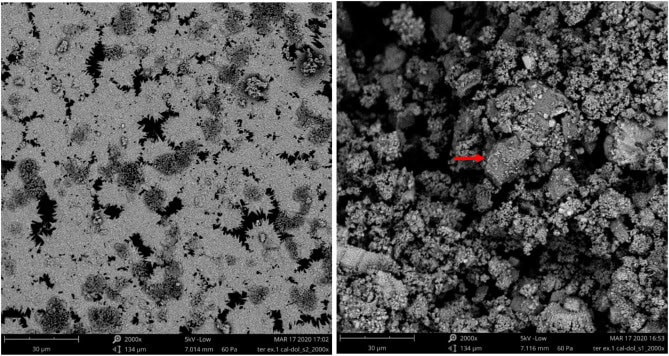
The investigation employed advanced techniques such as infrared spectroscopy, X-ray diffraction, thermogravimetric analysis, scanning electron microscopy, and light microscopy to reveal mineral content, thermal transformations, and microscopic textures of the plaster.
Contrary to expectations, unlike typical dolomitic lime where the original stone decomposes post-firing, Motza plaster maintained a dominance of dolomite and calcite. Researchers propose that some dolomite recrystallized after the burning process.
The team concluded that the Neolithic artisans created a dolomitic plaster featuring fully recrystallized dolomite alongside calcite, an occurrence not previously documented elsewhere.
Unraveling the Dolomite Formation Mystery
This discovery touches on the larger, longstanding geological enigma known as the dolomite problem. Though dolomite is abundant in ancient rock formations, synthesizing it under normal laboratory circumstances remains a challenge.
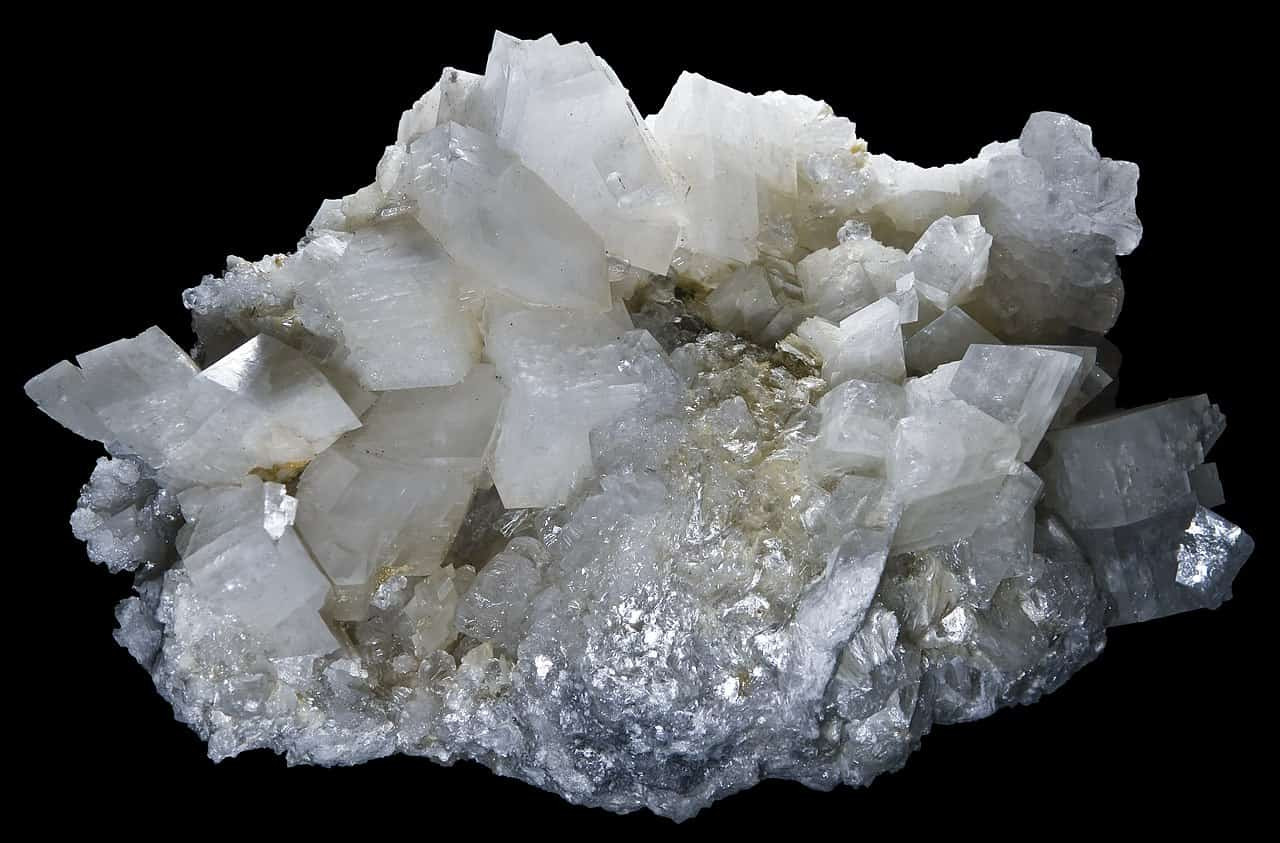
Scientists continue to investigate its formation mechanisms. Finding plaster that seemingly completes a full dolomite-lime production cycle by re-forming the mineral after firing is central to resolving this question.
The study authors suggest this represents a lost ancient technology enabling a complete dolomite-lime cycle, paralleling the well-understood calcite-lime cycle.
Ancient Expertise Without Written Guidance
The plaster floors from Motza encapsulate a high level of skill developed around these ancient hearths approximately nine thousand years ago. These early makers left no written records or instructions, only a meticulously crafted surface made by combining minerals with care.
Such accomplishments imply a deep understanding passed down through generations, involving knowledge of selecting proper stones, controlling firing temperatures within narrow margins, managing water during slaking, and creating lasting plaster floors through disciplined craftsmanship.
- Categories:
- Science







0 comments
Sign in to Comment