
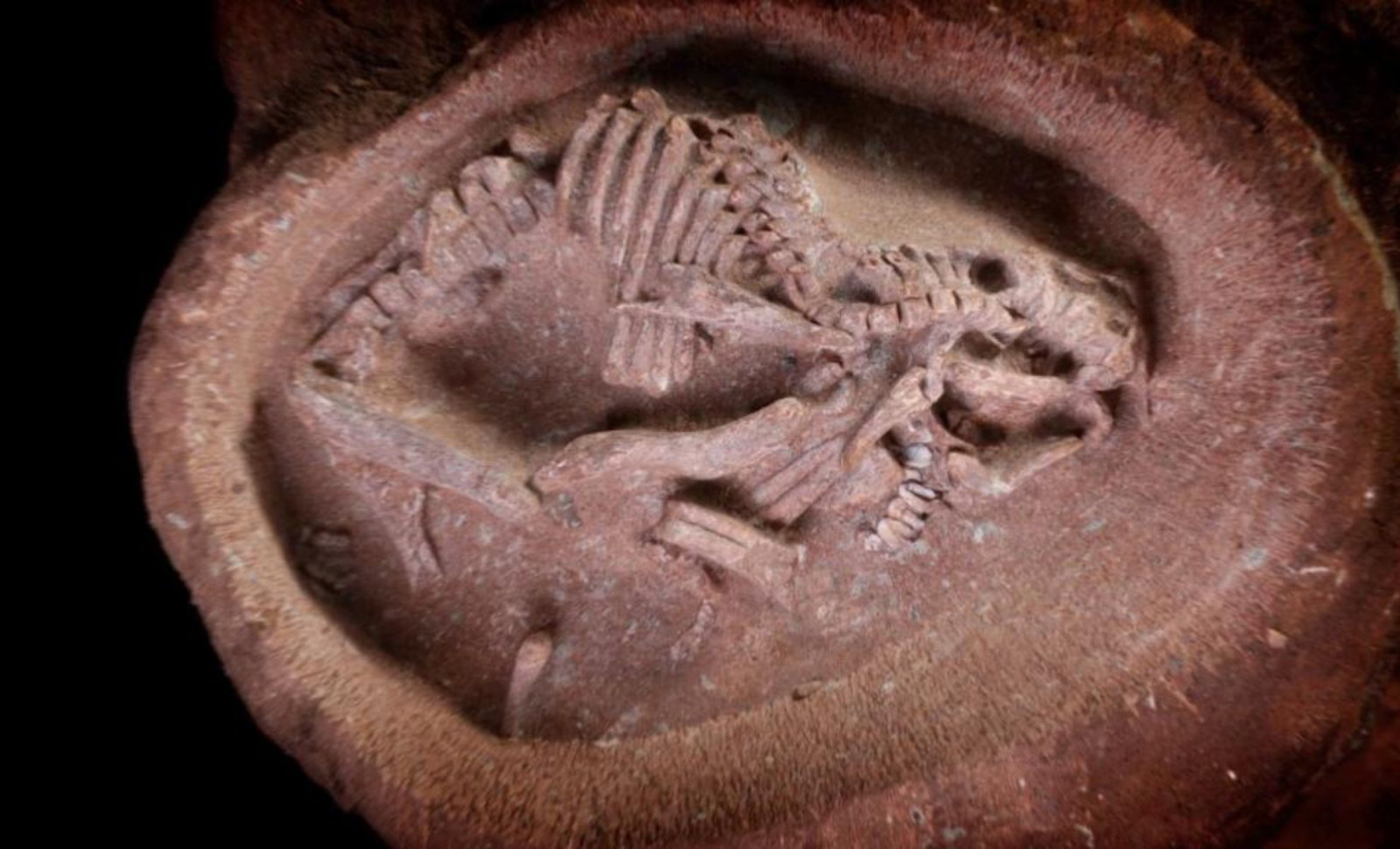
Fossilized reptile embryos aged 280 million years discovered in Brazil and Uruguay represent the oldest known evidence of amniote embryos, shedding new light on early reptilian reproduction. These remains, linked to aquatic reptiles called mesosaurs, imply that these creatures either carried embryos internally during their development or laid eggs shortly before the young hatched.
An international group of scientists published their findings in the journal Historical Biology. Embryonic fossils from the Paleozoic era are exceptionally scarce. While adult amniotes from approximately 315 million years ago are known through fossils, discoveries of preserved embryos or eggs from that time are rare, limiting insights into the reproductive biology of early reptiles.
The newly analyzed fossils come from Early Permian geological sites and include embryos associated with adult mesosaurs, possible juveniles, and a solitary egg.

Discovery of Embryo Inside Fossil
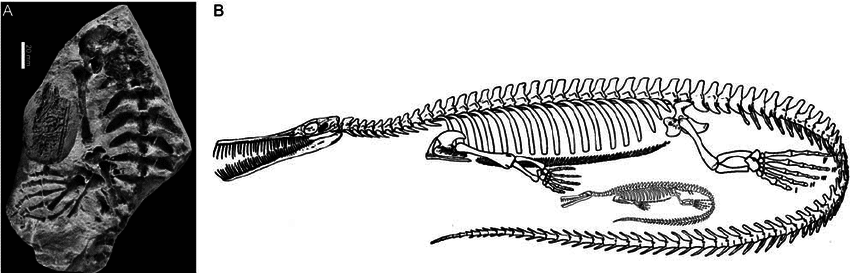
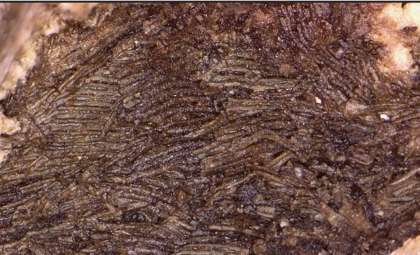
A significant finding emerged from Brazil where scientists unveiled a mesosaur fossil containing an embryo. The team suggests this fossil indicates internal embryo retention throughout much of the developmental process.
” The absence of a recognizable eggshell, combined with the presence of a partially articulated but well-preserved embryo inside an adult specimen, also supports the idea that mesosaurs were viviparous or laid eggs at very advanced stages of development,” the authors explained.
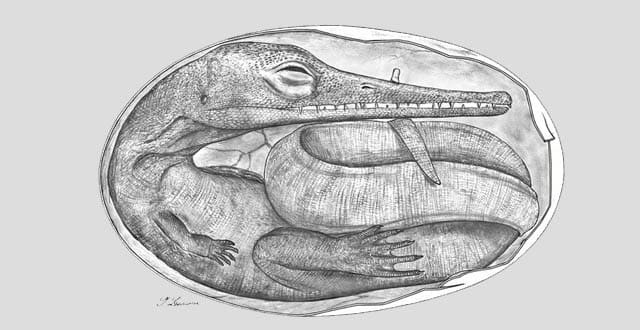
This evidence bolsters the theory that mesosaurs may have given birth to live offspring rather than laying eggs externally. The research notes that this discovery could extend the known timeline for such reproductive behavior by approximately 60 million years.
As documented in Historical Biology, this level of fossil preservation is extraordinarily unique for remains this ancient. Mesosaurs inhabited the Early Permian and are among the earliest known marine reptiles. These fossils provide rare insights into their reproductive biology, a field with limited evidence.
Uruguayan Fossils Reveal More Embryos
The scientists also studied 26 adult mesosaur fossils from Uruguay, each connected with embryos or recently hatched juveniles from the same era as the Brazilian discovery.
Despite some specimens being partially disarticulated, complicating analysis, the majority are thought to show embryos retained inside the uterus, further supporting the embryo retention theory.
Larger juvenile fossils found near adults may indicate that young mesosaurs stayed close to parents, suggesting possible parental care, although the researchers approach this idea cautiously. The fossil arrangement of adults and juveniles is notable as evidence for parental care in such ancient reptiles is scarce.
Isolated Egg Suggests Alternative Reproductive Scenario
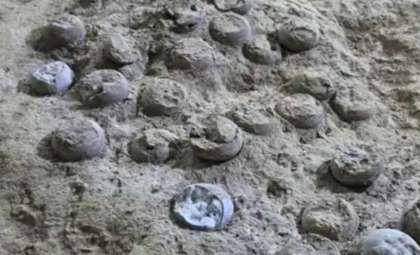
An isolated mesosaur egg found at the Uruguayan site introduces complexity to the hypothesis that these reptiles were exclusively viviparous. Since viviparity typically excludes egg-laying, the researchers propose another scenario: mesosaurs might have laid eggs with embryos developed to an advanced stage, hatching soon afterward.
This proposal could explain the coexistence of embryo retention and an external egg in the fossil record, indicating a reproductive strategy that combined internal development with late-stage egg deposition.
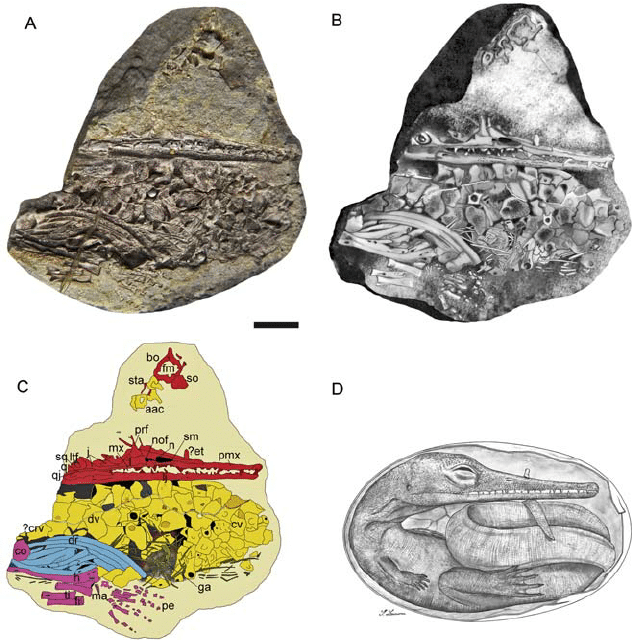
These fossils, highlighted in Historical Biology, stand as the Paleozoic era’s oldest known amniote embryos, dating from approximately 543 to 250 million years ago. The authors emphasize:
“Our finds represent the only known documentation of amniotic embryos in the Paleozoic and the earliest known case of viviparity.” Researchers also describe the fossils as the oldest known evidence of embryo retention in the fossil record.
- Categories:
- News




0 comments
Sign in to Comment