

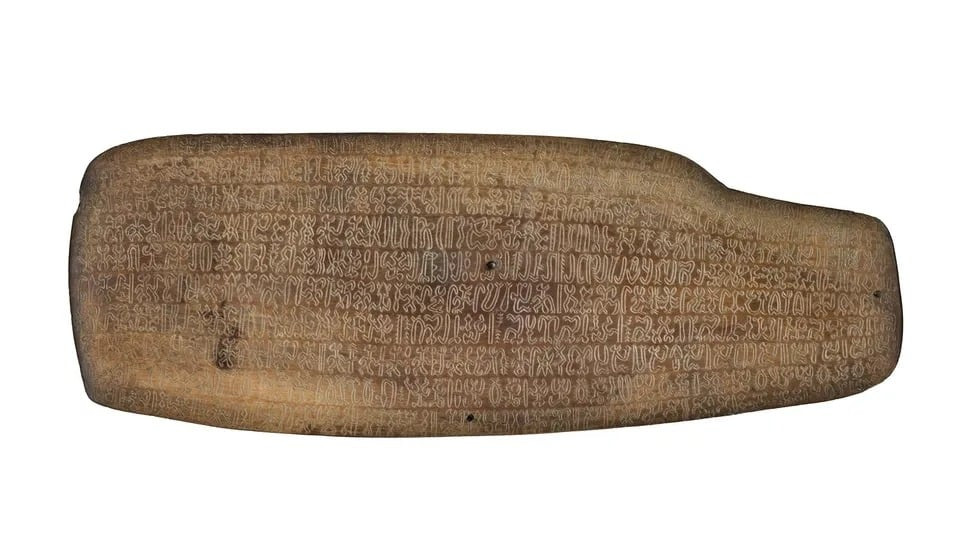
A carved wooden tablet from Rapa Nui, dating back to the late 1400s, challenges previous assumptions about the island’s enigmatic Rongorongo script. This fresh evidence raises the possibility that the writing system originated before Europeans arrived, renewing debate over its independent creation.
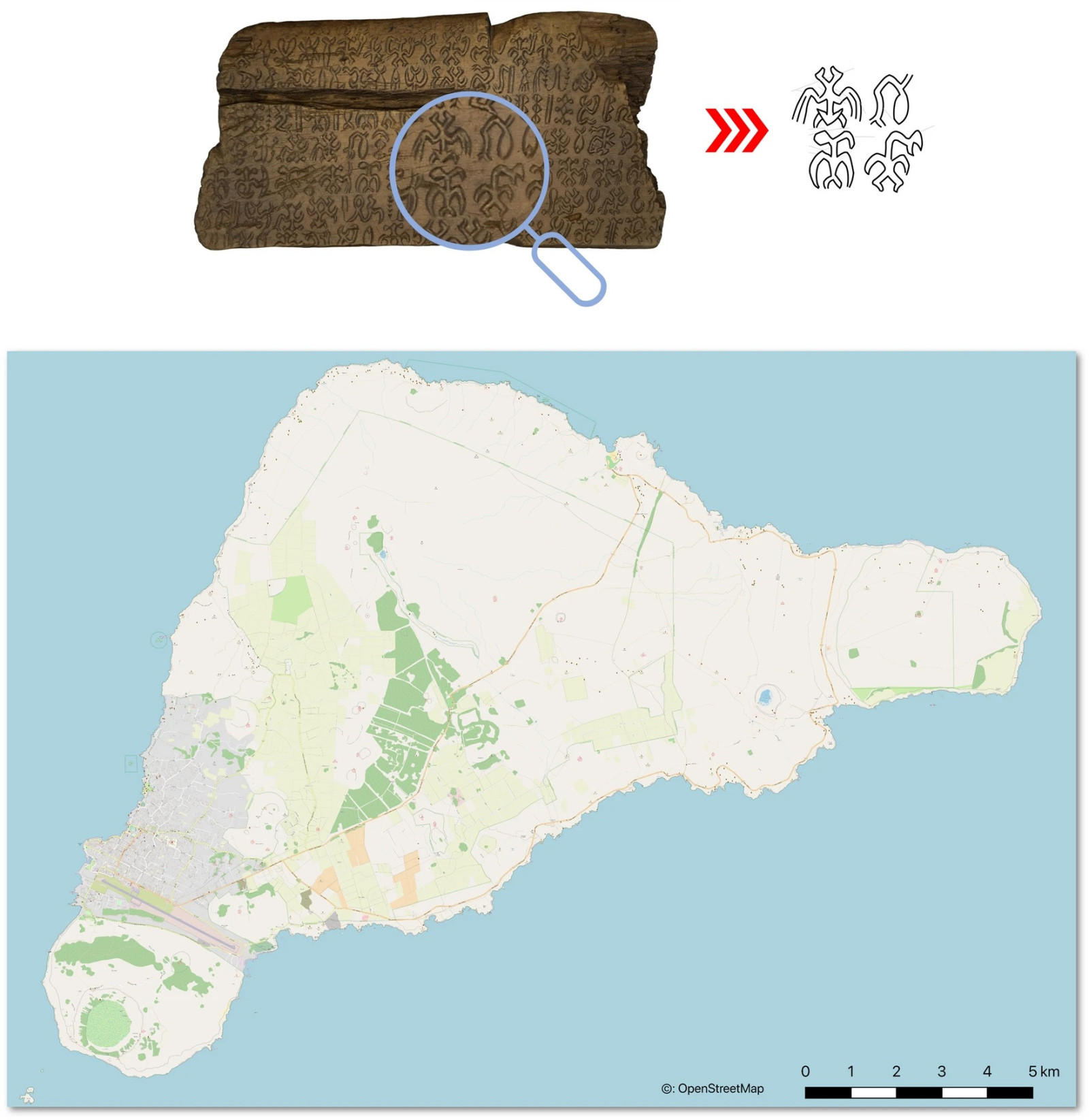
Easter Island, known locally as Rapa Nui, lies over 2,000 miles from Chile and is among the world’s most remote inhabited locations. Settled between 1150 and 1280, its inhabitants developed a unique culture with minimal outside contact until Dutch explorer Jacob Roggeveen made landfall in 1722.
Among subsequent findings was Rongorongo—a collection of carved symbols first documented in 1864. Scholars have long debated whether it developed internally or drew influence from external sources.

One Tablet Verified Before European Arrival
A research group led by Silvia Ferrara at the University of Bologna applied radiocarbon dating to several inscribed wooden artifacts. Their results, published in Scientific Reports, dated one tablet between 1493 and 1509—predating European contact with the island. This timing hints that the Rapa Nui people might have independently created Rongorongo.
“The question is of crucial importance, as it implies the possibility of an independent invention of writing, similarly to what happened in other parts of the world where writing was an original creation, e.g., in Mesopotamia, Egypt, China and Mesoamerica,” the authors wrote. “If Rongorongo predates the arrival of external travelers, it could represent another, and the latest, invention of writing in human history.”
Unexpected Details in an Ancient Writing System
Rongorongo’s visual style is unlike European alphabets. Its glyphs appear mostly pictographic, and their arrangement doesn’t conform to traditional Western writing patterns. Researchers found no concrete evidence pointing to foreign influence. The script remains undeciphered, with no bilingual documents to assist understanding and sparse context making its interpretation challenging.
Remaining Unknowns Preserve the Enigma
The study has limitations. Radiocarbon dating determines when the wooden base was harvested, not when the carvings were etched. As Ferrara noted, though using aged wood would be unusual, this uncertainty cannot be eliminated.
“Historically speaking,” she said, “if you borrow a writing system, then you keep it as close to the original as possible.”
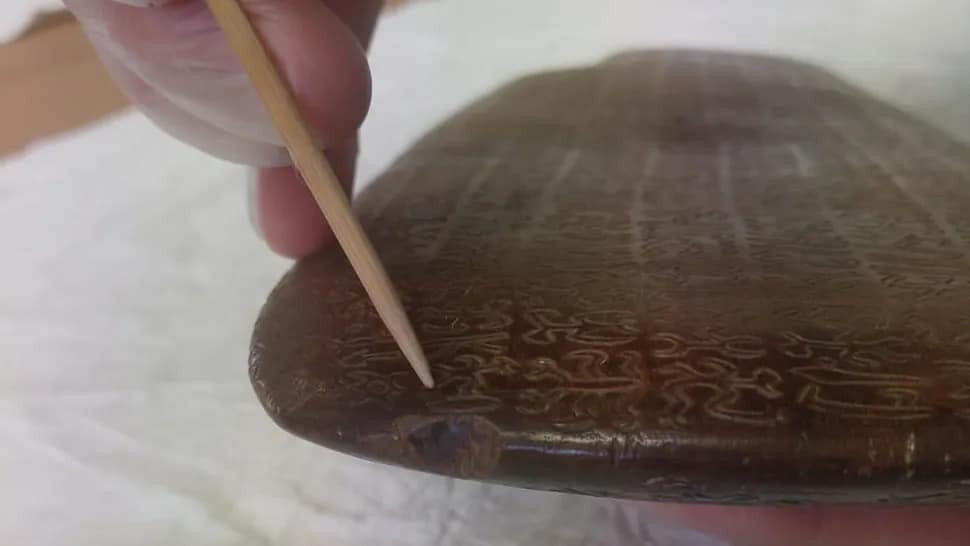
Another challenge is sample quantity. Only a single tablet clearly predates European presence; most others are from later periods. With just 27 known Rongorongo objects scattered globally, comprehensive research remains difficult.
- Categories:
- News






0 comments
Sign in to Comment