
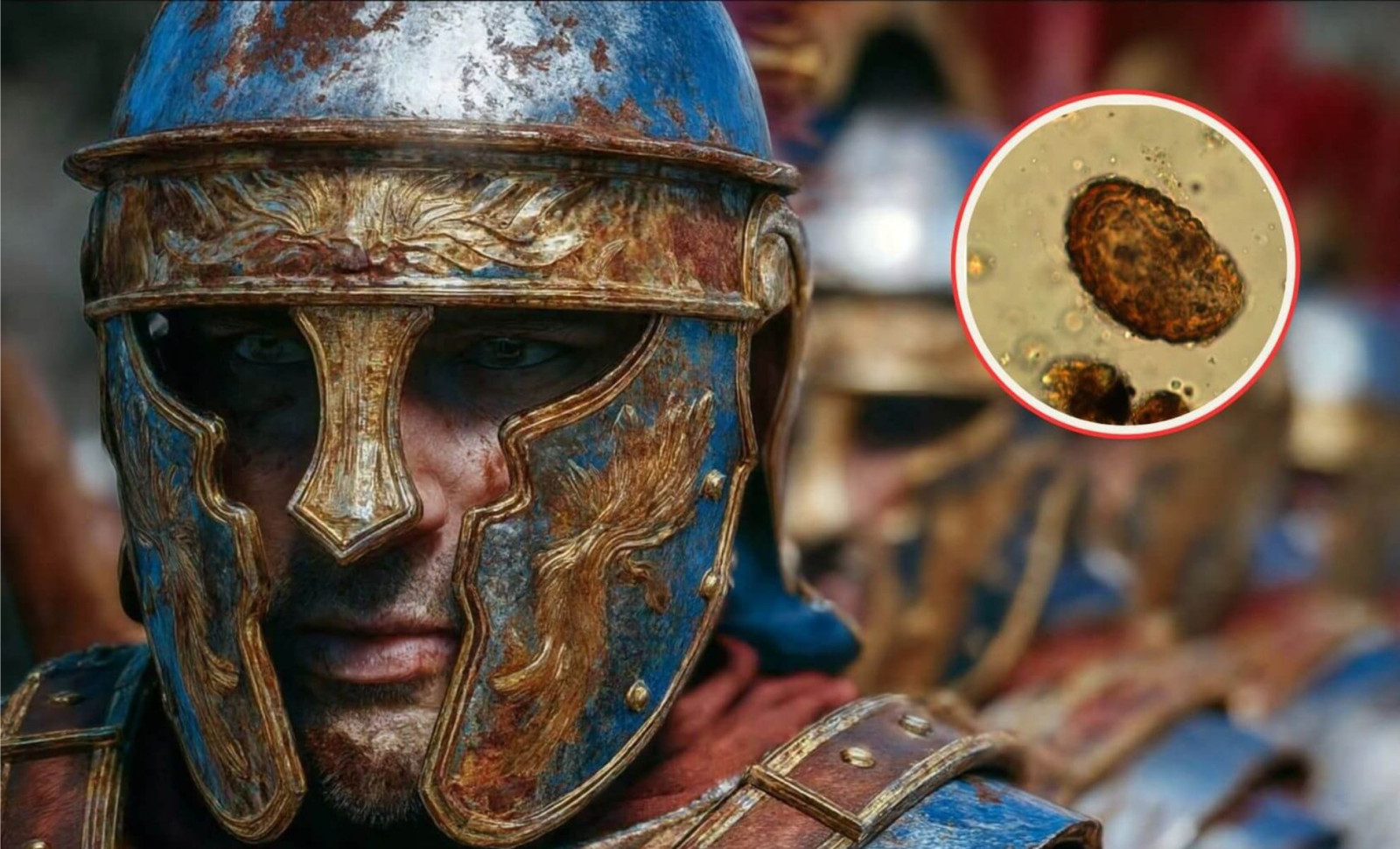
Vindolanda has long been a crucial archaeological site offering insights into everyday existence along the Roman Empire’s northern boundary. Recent scientific analyses of its sanitation remains have exposed a lingering health hazard affecting the stationed garrison.
Scientists from the Universities of Cambridge and Oxford uncovered evidence of intestinal parasites within sediment deposits from the fort’s waste channels. Despite advanced water management features like aqueducts, latrines, and public baths, the soldiers were repeatedly exposed to contaminated water and food sources.
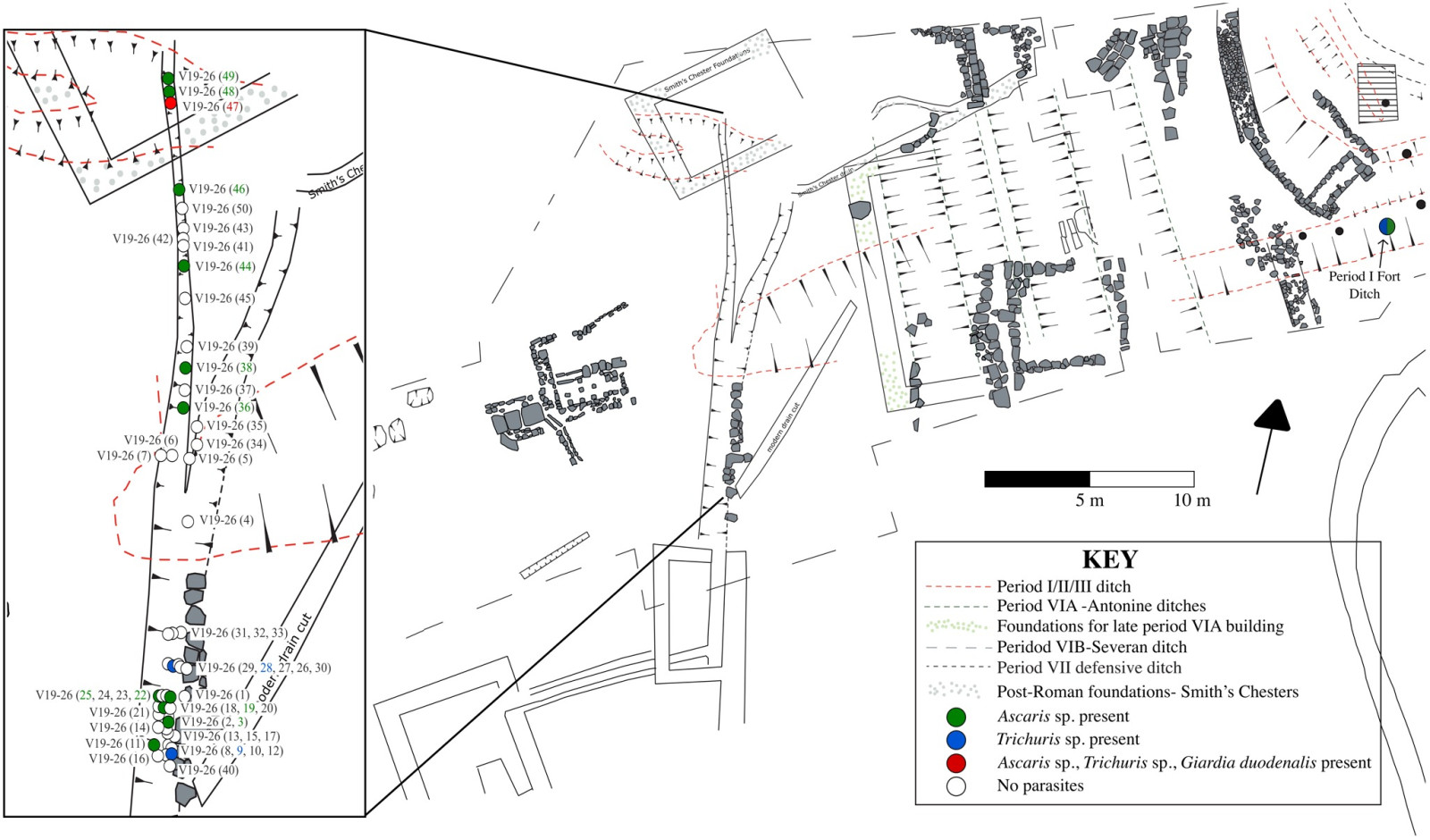
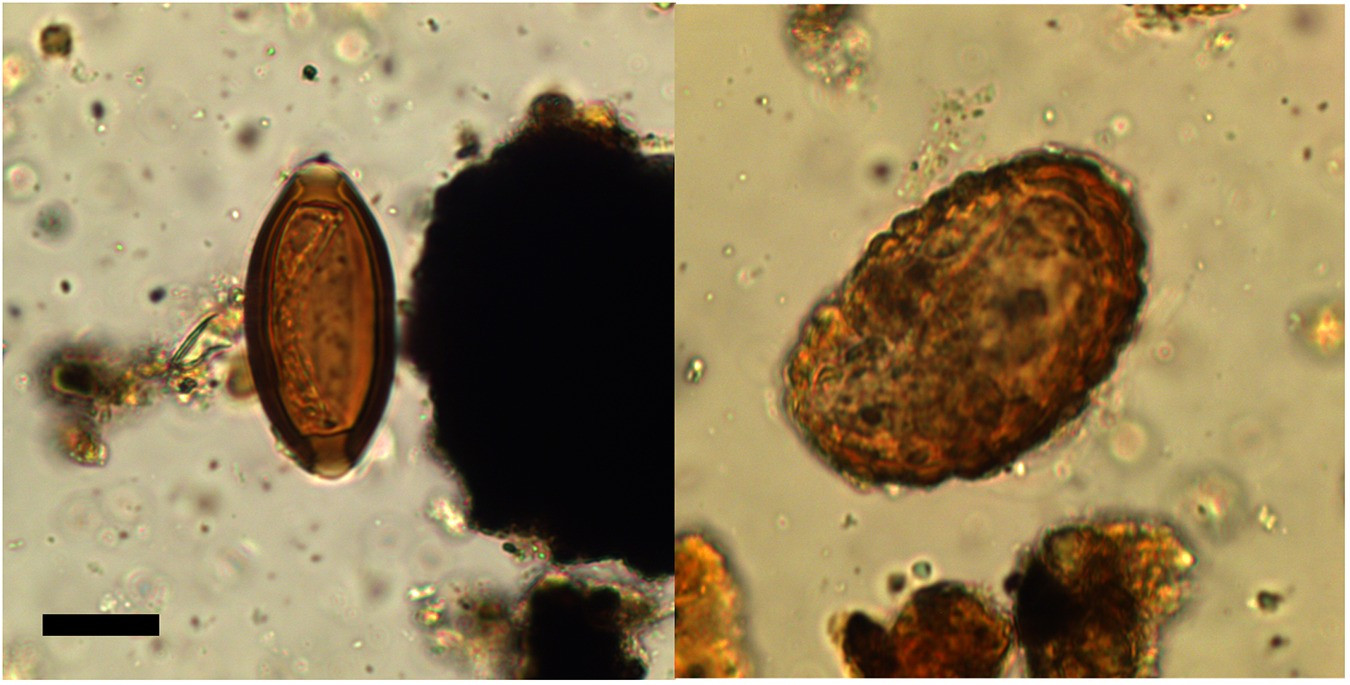
Published in the journal Parasitology, the research revealed the presence of Giardia duodenalis in one of Vindolanda’s primary drainage systems — the earliest confirmed case in Roman Britain. Helminth eggs from Ascaris and Trichuris also appeared, indicating these parasites persisted over time.

Engineering Marvels, Enduring Infections
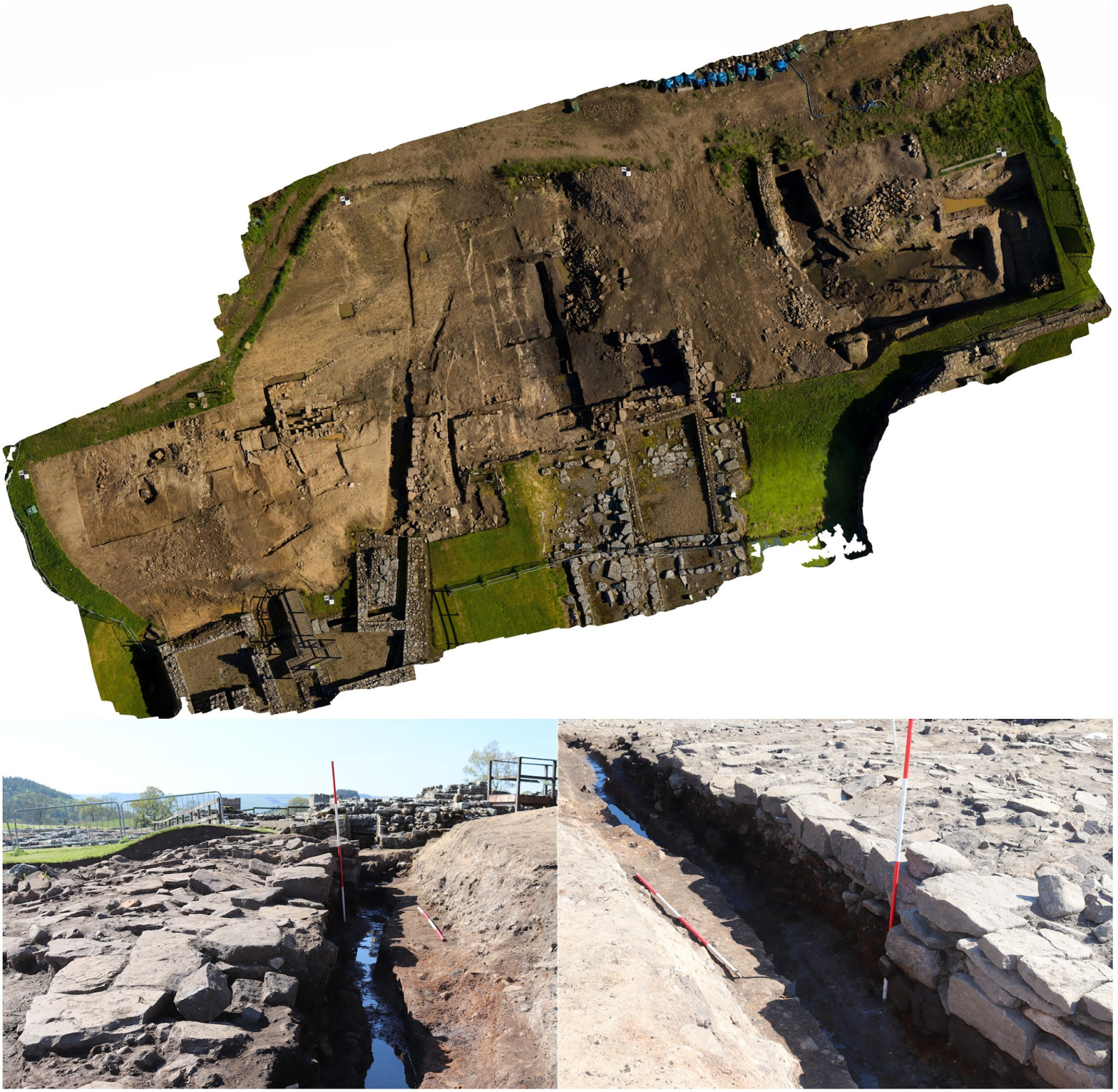
Excavations in 2019 uncovered a third-century AD latrine drain linking to the fort’s main bathhouse. This drain directed human waste through stone-lined conduits down to local water sources.
Fifty-eight sediment specimens were collected along the drain’s length and examined using microscopy and ELISA testing. Parasite eggs were discovered in nearly 28% of samples: 22% with Ascaris, 4% with Trichuris, and one sample positive for Giardia duodenalis.
All three parasites spread primarily via fecal-oral routes, commonly through tainted drinking water, contaminated food, or unclean community surfaces.
Rigorous ELISA testing protocols ensured only one unequivocal positive Giardia detection, validated through repeated tests over two days, with both qualitative and quantitative assessments confirming reliability.
Parasites Persisting Beyond the Roman Troops
Vindolanda remained inhabited by both military personnel and civilians from the first to the fourth century AD. Earlier sediment extracted from a first-century fort ditch also revealed eggs of Ascaris and Trichuris.
This continuity suggests that intestinal parasite infections were recurrent problems impacting soldiers and camp inhabitants for generations.
Ancient Roman texts note the presence of intestinal worms but provide little proof of effective cures. Helminth infections can lead to long-lasting issues such as weakness, stomach pain, diarrhea, and nutrient deficiencies — all detrimental to soldiers’ fighting capacity.

While the fort’s latrines and baths were designed to reduce infection risks, the frequent detection of parasite eggs throughout the drainage points to contamination persisting despite these efforts.
Higher parasite concentrations were found in sediment from the slower-flowing northwest section of the drain, whereas the faster northeast branch showed none. These findings indicate that water velocity affected where parasites settled, as visualized in the excavation study’s visual data.
A Widespread Health Concern Across Roman Fortifications
The parasite evidence at Vindolanda aligns with similar discoveries at Roman military forts like Carnuntum in Austria and Bearsden in Scotland. These locations commonly show elevated levels of soil-transmitted worms, contrasting with the broader parasite diversity observed in Roman urban centers.
In cities such as Londinium and Eboracum, remains of pork, fish tapeworms, and liver flukes have been identified. The complexities of urban living, including varied diets and densely packed populations, likely contributed to more diverse parasitic infections.
Vindolanda’s wooden tablet records reveal frequent pork consumption. Ascaris eggs cannot reliably distinguish between human (A. lumbricoides) and pig (A. suum) variants, raising the possibility of zoonotic infections from pig waste or shared sanitation areas.
The discovered Trichuris eggs correspond in size to the human-infecting species T. trichiura, though contamination by domestic animals near the drain could not be fully excluded. Comparable investigative challenges appear in other Roman-era European parasite research.
Insights Into Roman Public Health Challenges
Identifying Giardia duodenalis in Vindolanda adds to evidence that waterborne illnesses were widespread in Roman times. This protozoan has previously been detected in ancient latrines across regions such as Jerusalem, Italy, and Turkey, marking Vindolanda as Britain’s earliest site for Giardia.
Additionally, Vindolanda documents report other infectious ailments, including one case where ten soldiers were sidelined due to conjunctivitis. While unrelated to intestinal parasites, this underscores how contagious diseases could impact military effectiveness.
The parasite data from Vindolanda demonstrate that despite sophisticated Roman sanitation infrastructure, such systems had limitations in fully protecting health at frontier military posts.
- Categories:
- Science








0 comments
Sign in to Comment