
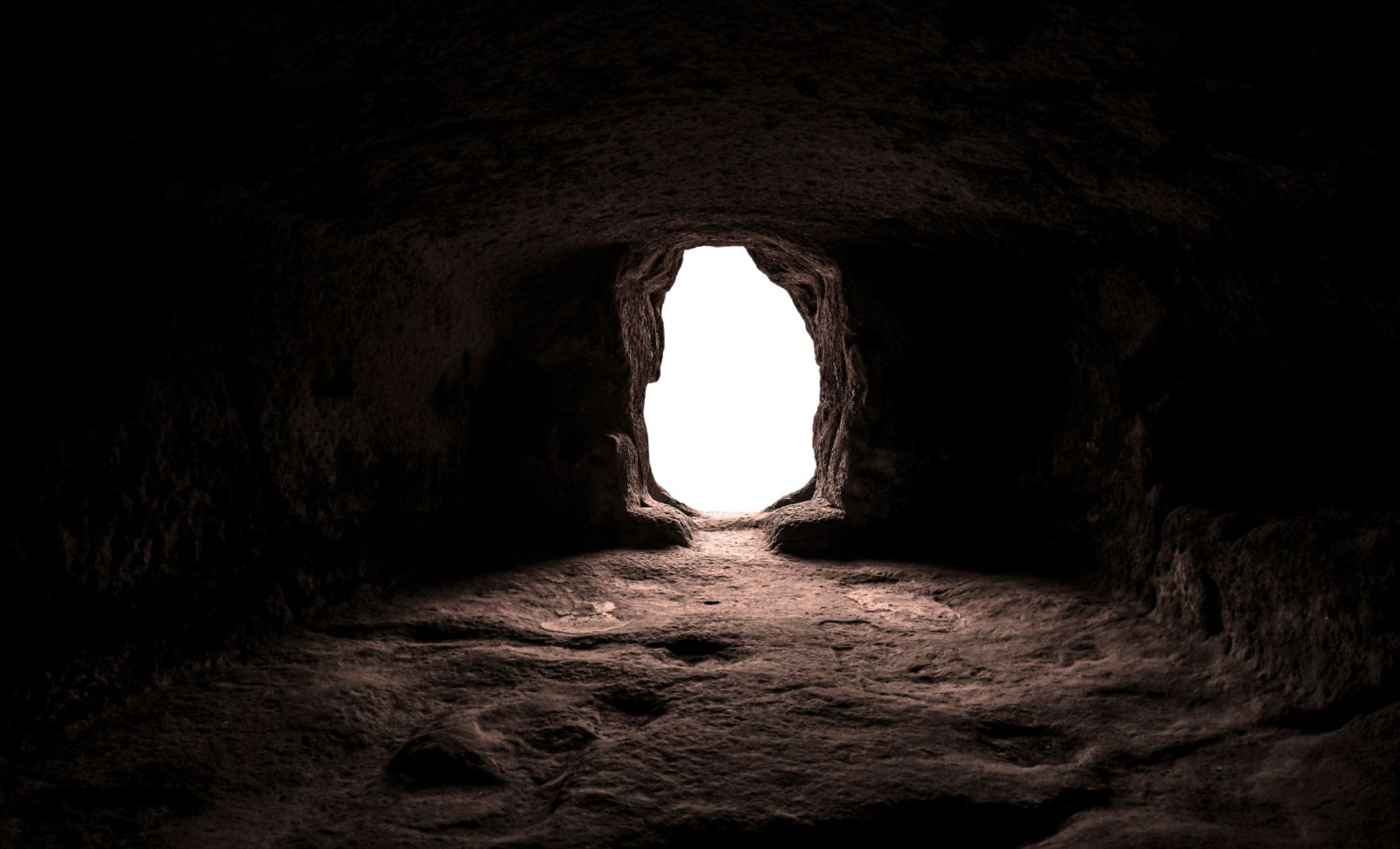
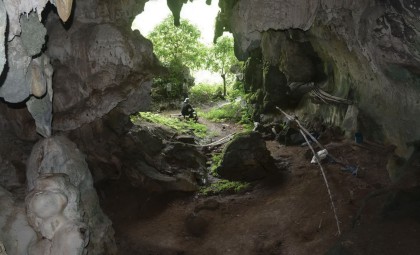
Deep inside the Cova Dones cave in eastern Spain, renowned for its Paleolithic artworks, scientists have unearthed over a hundred prehistoric stone constructions crafted from deliberately modified stalagmites.
“This finding shows the adaptation of the environment by the prehistoric communities and places the site as the second most important in the world in this category, only behind the French cave of Saint-Marcel,” according to the team behind the discovery.
These stone arrangements, known as speleofacts, were clearly not naturally formed. Instead, they have been purposefully fractured and rearranged by prehistoric people, highlighting an intentional alteration of their subterranean environment thousands of years ago.

Situated in the town of Millares, the Cova Dones cave has captivated researchers with its impressive Paleolithic wall paintings. However, the latest findings reveal that the cave’s early inhabitants engaged in more than just artistic expression—they actively constructed stone features. The research team from the Universities of Alicante and Zaragoza leading the excavation considers this site to be among the most remarkable of its type due to the volume and deliberate nature of these speleofacts.
Deliberate Prehistoric Modifications Shape Cave Interior
Archaeologists documented more than 100 speleofacts created through processes of breaking, moving, and regrouping stalagmites inside the underground chamber. This deliberate manipulation provides, as detailed in a translated statement, "strong proof of prehistoric communities’ intentional occupation of the subterranean realm."
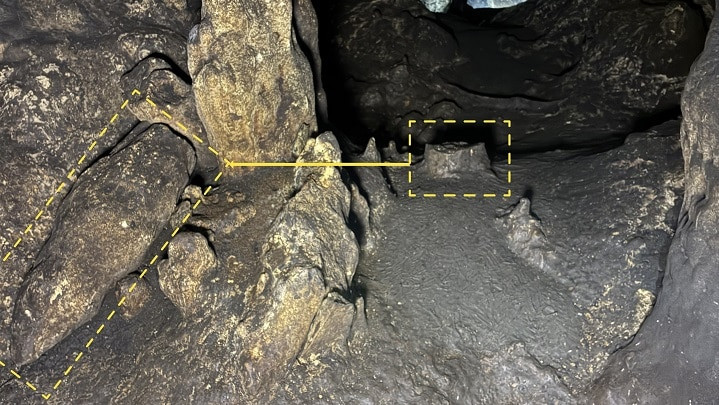
The timing of these constructions is traced through evidence of calcium redeposition on the altered stalagmites, linking them to prehistoric eras. Although precise dating is ongoing, the discovery points to systematic efforts by ancient humans to engineer their cave environment. Certain speleofacts appear to mark spatial zones, while others may represent ceremonial or symbolic groupings.
Renowned Site for Paleolithic Cave Art in Spain
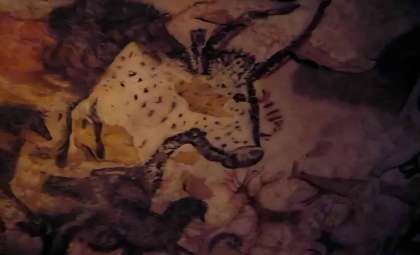
Cova Dones has previously attracted scholarly focus. For instance, a 2023 paper in Antiquity documented more than 100 paintings and engravings within the cave, dating back approximately 24,000 years. These images include depictions of horses, deer, aurochs, and stags, spread across three distinct areas reaching nearly 1,300 feet from the entrance.
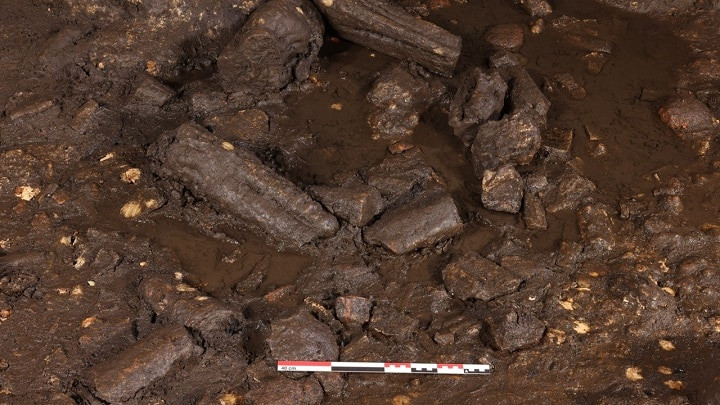
The age of these artworks was partially established through nearby cave bear claw marks, which date to the same period since bears became extinct then. This overlap offers a valuable tool for dating. The combined presence of artistic depictions and man-made stone structures suggests that prehistoric people utilized this underground space for diverse cultural and practical purposes.
A Roman Sanctuary Discovered in the Same Cave System
In contrast to its ancient Paleolithic layers, Cova Dones also contains relics from the Roman era. Not long after uncovering the cave art, archaeologists identified a Roman sanctuary situated approximately 650 feet from the entrance. As reported by Popular Mechanics, the site included various inscriptions and a coin bearing the image of Emperor Claudius, dating this sanctuary to roughly 1,900 years ago.
This evidence highlights that Cova Dones maintained its cultural importance over millennia, with multiple civilizations leaving traces deep within its corridors. Researchers emphasize that only a fraction of the cave has been thoroughly examined so far, hinting at the possibility of additional significant discoveries in the future.
- Categories:
- Science








0 comments
Sign in to Comment