
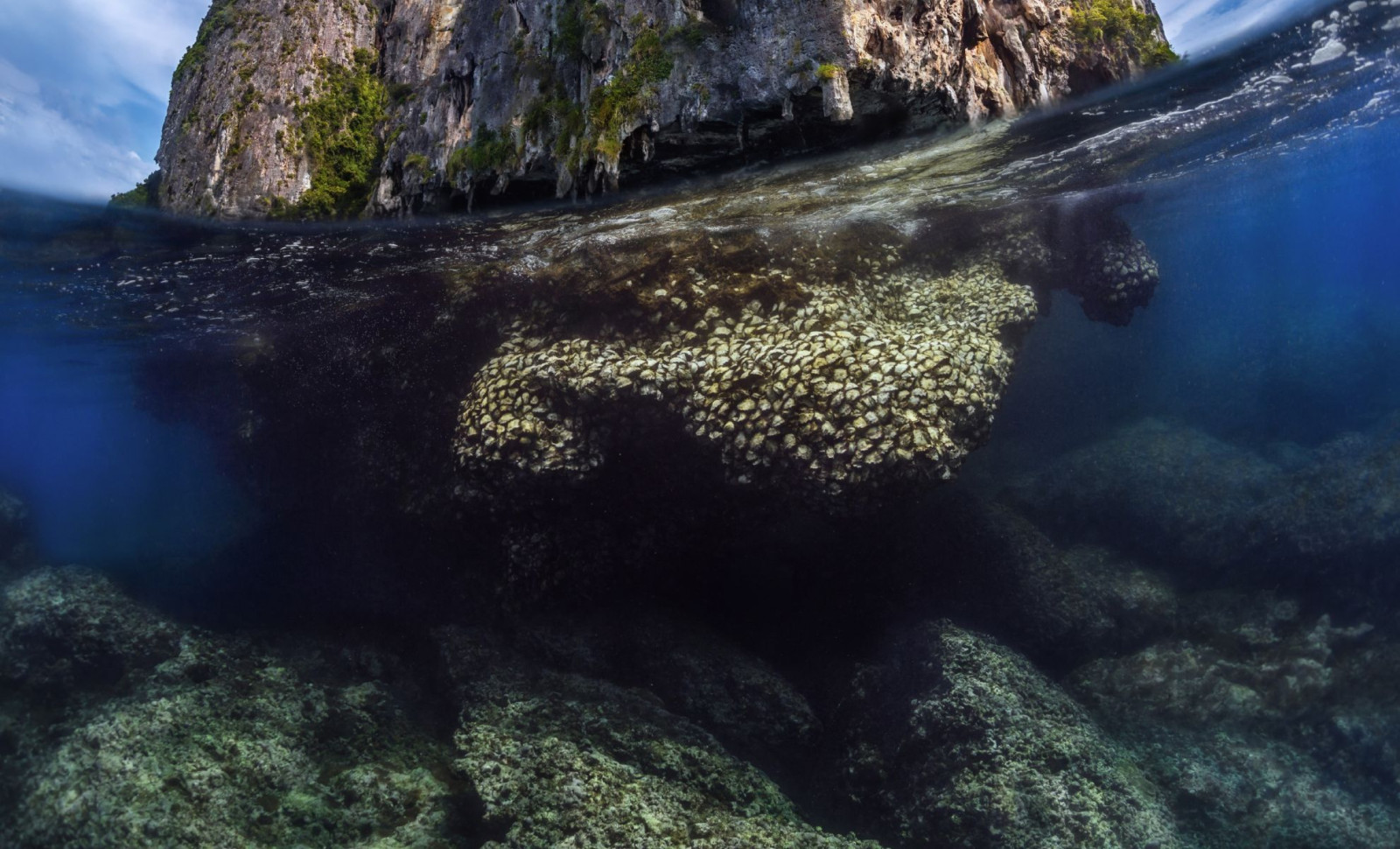
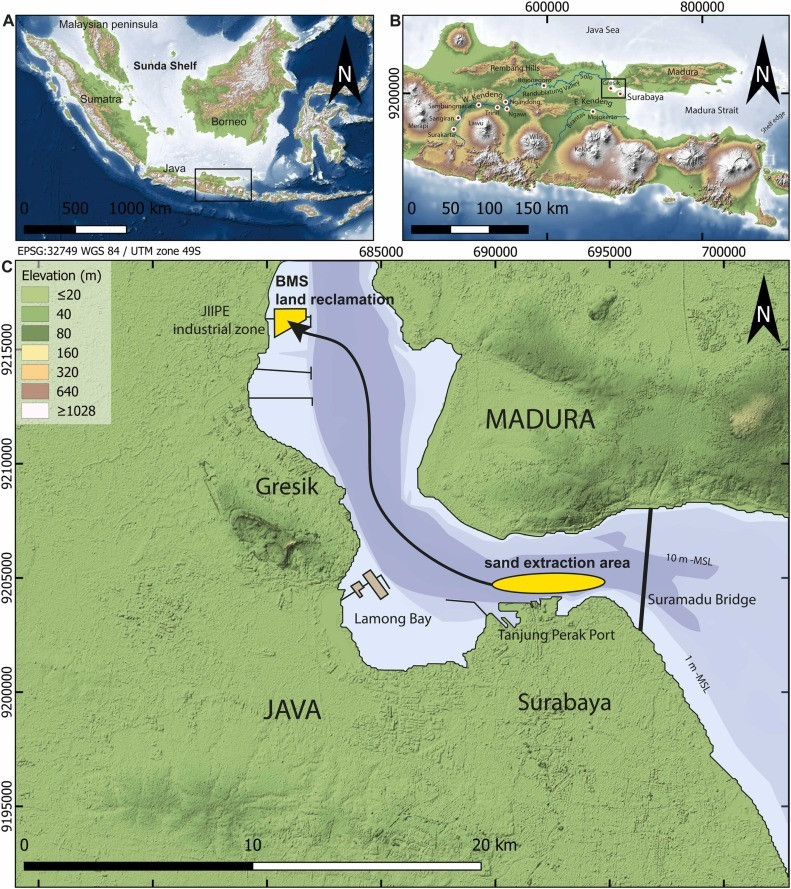
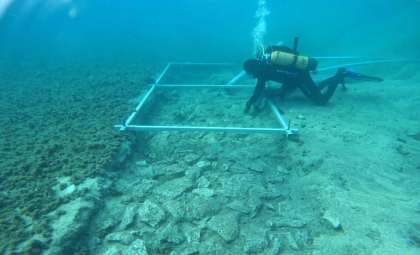
A recently uncovered site beneath Indonesia’s waters is offering fresh insights into the existence of Homo erectus, providing clues about how these early humans thrived in a vanished landscape. This area, once a vast terrestrial expanse, now lies submerged.
The artifacts come from the former Sundaland, a massive land bridge that once linked numerous Southeast Asian islands during periods of lower sea levels. As oceans rose, these lands fell underwater, concealing entire ecosystems.
This discovery is significant because it ties evolutionary biology to changing geographies. Research led by Harold Berghuis dates the site to the late Middle Pleistocene, an era notable for hominin diversity and their extensive movements.

Adaptations for Mobility and Hunting
Homo erectus exhibited body proportions much closer to modern humans than earlier ancestors, featuring longer legs and shorter arms that enhanced walking and running capabilities. These physical traits affected how they navigated their surroundings.
Muscular builds suggest they were active hunters rather than mere scavengers. Their combination of strength and stamina likely enabled them to cover vast distances to track prey and explore new territories. Fossils show their cranial capacity was over 50 percent larger than that of Australopithecus, indicating increased brain development.
“Under the relatively dry Middle Pleistocene climate of eastern Java, herds of herbivores and groups of hominins on the lowland plains were probably dependent on large perennial rivers, providing drinking water and terrestrial as well as aquatic food sources.” He added that: “Among our new finds are cut marks on the bones of water turtles and large numbers of broken bovid bones, which point to hunting and consumption of bone marrow.”
An Era Defined by Movement
A recent paper published in Quaternary Environments and Humans describes the late Middle Pleistocene as a time marked by continual migration and interaction among diverse hominin populations. Berghuis and colleagues emphasize:
“The late Middle Pleistocene age of the site is of great interest in terms of hominin evolution, as this period is characterized by a great morphological diversity and mobility of hominin populations in the region.”
Such variation reflects different survival strategies and adaptations. Some groups remained localized, while others roamed more extensively to access resources. For Homo erectus, such mobility was likely crucial for their widespread dispersal and long-term existence.
The Lost World of Sundaland
Indonesia’s landscape once included the extensive Sundaland, connecting many islands by dry land bridges accessible to humans and animals alike.
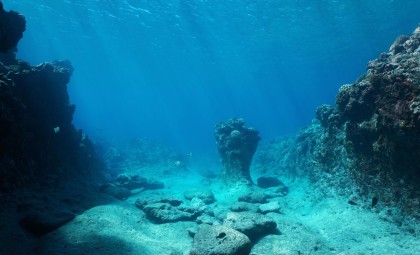
Eventually, rising seas submerged these land connections, transforming expansive plains into underwater regions. Sediments retrieved from the ocean floor are now unveiling remnants of this lost terrain, situating Homo erectus within the broader ecosystem they once called home.
- Categories:
- News





0 comments
Sign in to Comment