
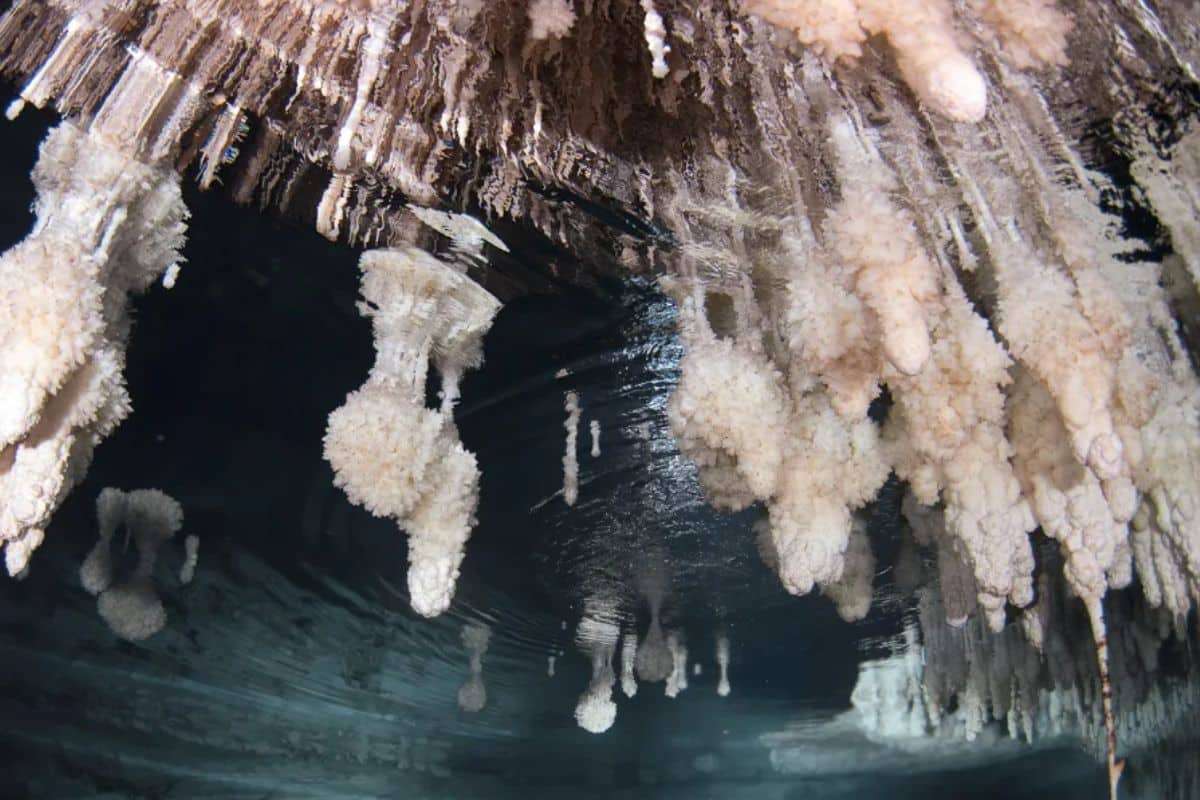
A submerged stone bridge discovered within Genovesa Cave on Mallorca unveils evidence that human occupation on the island extends back nearly 6,000 years, revising earlier assumptions. This finding provides fresh perspectives on early inhabitants' interaction with the island’s natural features.
A Lost Prehistoric Landmark Beneath the Sea
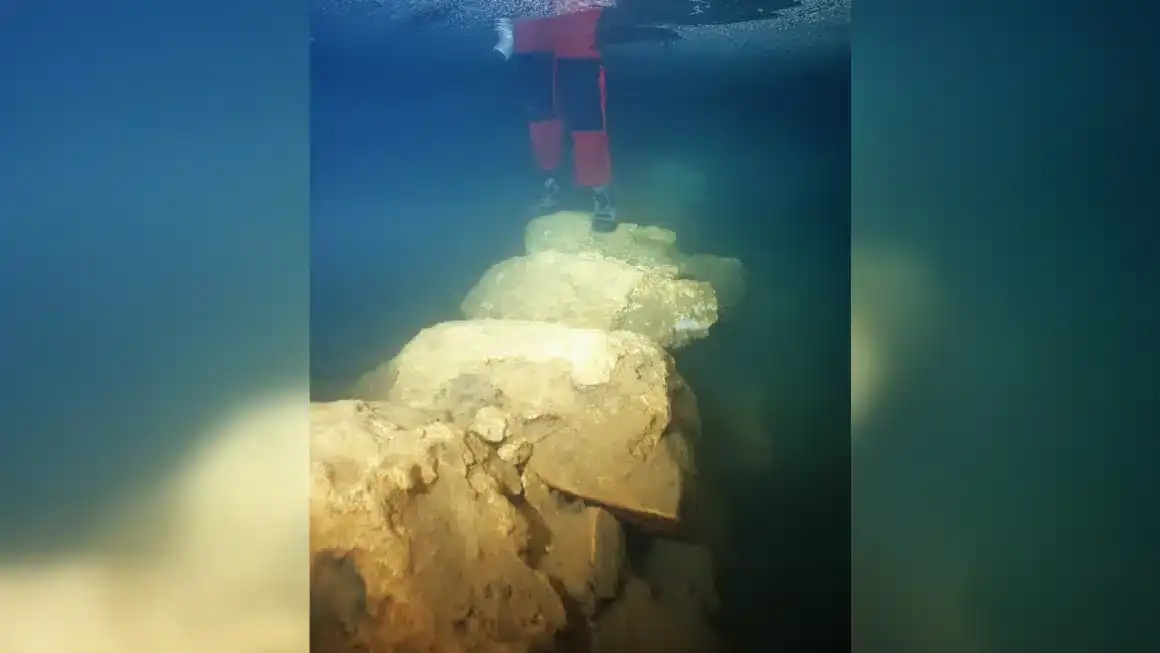
As reported by CNN, archaeologists identified a limestone bridge measuring about 25 feet (7.6 meters) in length inside a submerged cave, offering valuable insights into ancient human presence in the western Mediterranean. Initially found in 2000 and roughly dated to 3,500 years ago through pottery findings, recent geological and mineral evaluations have revised its age by 2,500 additional years.
Lead researcher Bogdan Onac from the University of South Florida emphasized that this structure reflects the advanced ingenuity of early settlers.
“This underwater bridge and associated artifacts reveal a high degree of ingenuity, indicating early humans exploited the cave’s water features and constructed infrastructure to navigate their environment,” Onac remarked.

Construction Techniques of the Ancient Bridge
The bridge consists of substantial limestone slabs, some approximately 4.2 feet (1.3 meters) wide, though the exact building methods remain a mystery. Experts suggest its main function was to establish a dry passage connecting the cave’s entrance to an inner chamber across an underground lake.
Scientists used geological indicators, including a distinct “bathtub ring” and calcite deposits, to determine the bridge’s antiquity.
By mapping past sea levels, Onac’s team concluded the bridge was erected more than 5,600 years ago and remained in use for roughly 400 to 500 years before submersion due to rising water.
Insights into Early Mallorca Inhabitants
The exact reasons early humans utilized the cave are uncertain, but it might have functioned as a sanctuary, ritual location, or storage area. “The motivation behind crossing the lake to reach the chamber is still unknown; it could have been shelter, ritual purposes, or a place to store food protected from Mallorca's heat,” Onac explained.
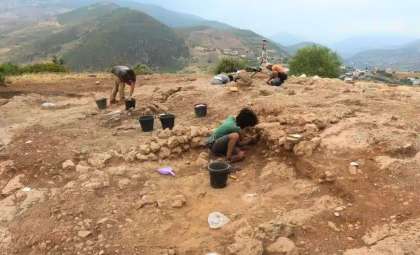
Artifacts such as pottery and fossil remains of Myotragus balearicus, an extinct goat species, have been recovered near the cave. Moreover, stone constructions dating between 2,000 and 4,500 years back suggest early residents demonstrated considerable architectural abilities.
Factors Affecting Mallorca’s Later Settlement Compared to Other Islands
Although close to mainland Spain, Mallorca was inhabited later than many islands in the eastern Mediterranean. Researchers believe the island’s arid climate and limited natural resources, including poor soil quality, scarce freshwater, and absence of sizable land animals, likely deterred early populations.
“Other islands offered better habitats and rich resources such as minerals and livestock, making them more desirable for early human groups,” Onac added.
- Categories:
- Science






0 comments
Sign in to Comment