
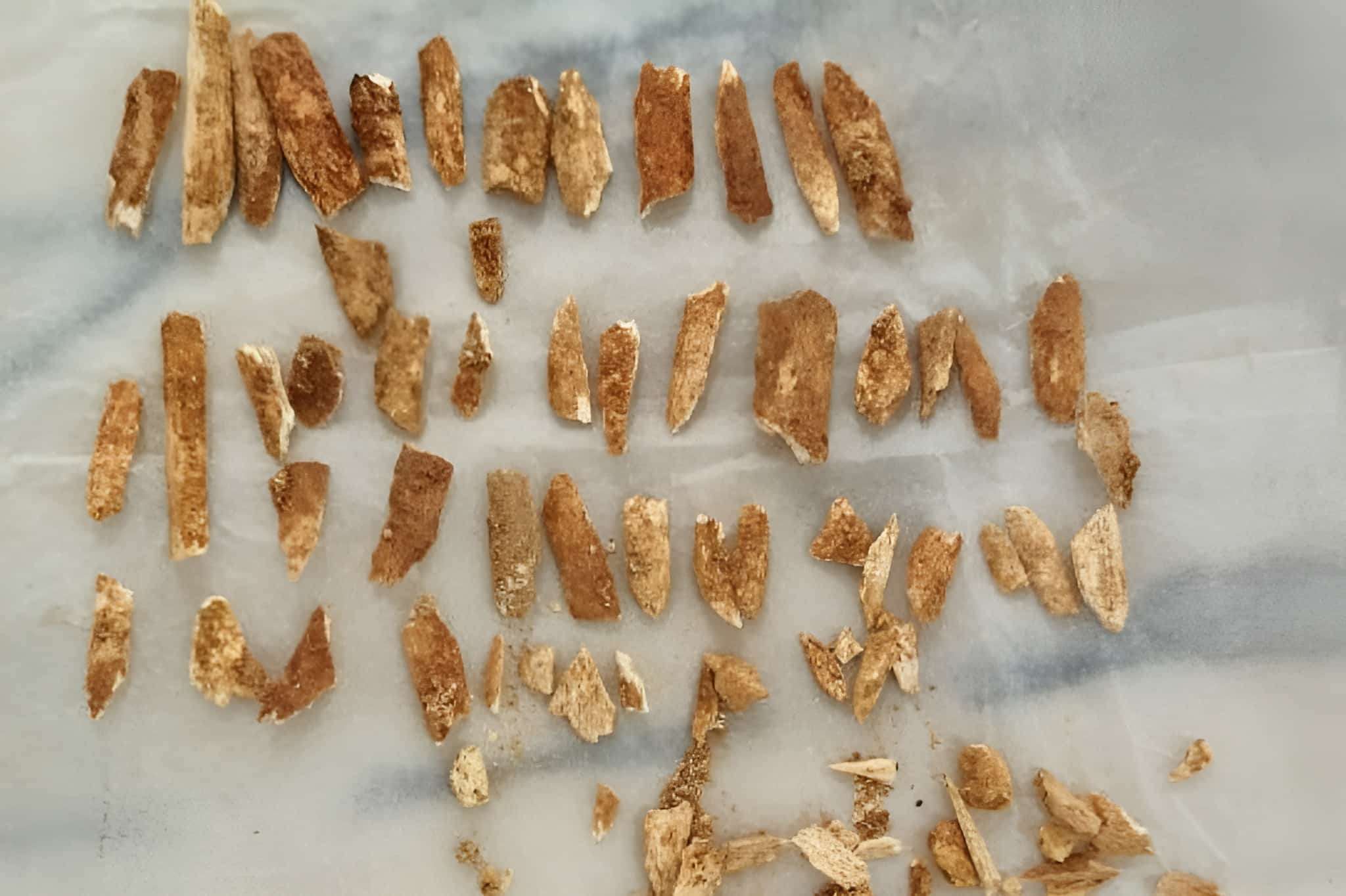
Unearthed in Portugal in 1998, the Lapedo child skeleton has intrigued scientists for over twenty years. This remarkable fossil, displaying a blend of human and Neanderthal features, has sparked ongoing discussions about the extent of interbreeding between these two groups.
Recently, advanced radiocarbon dating techniques have pinpointed the child's age to less than 30,000 years ago, which is strikingly later than the commonly accepted extinction date for Neanderthals, as reported in the Science Advances study.
The Lapedo Child: A Key to Human and Neanderthal Interactions
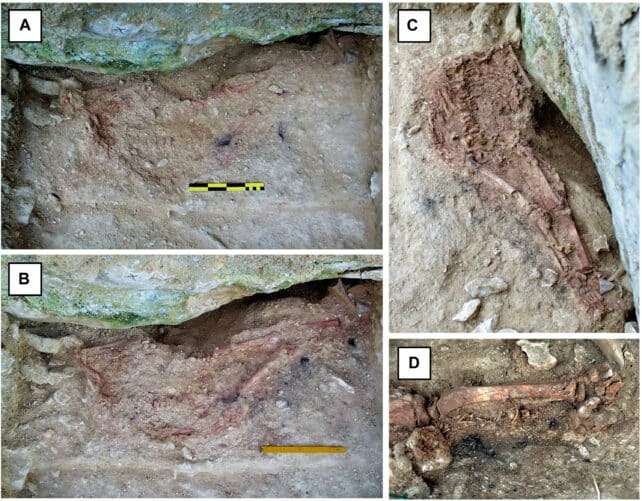
The initial excavation of the Lapedo child within a Portuguese cave revealed an extraordinary anatomical mix. While the lower limbs were notably sturdy and Neanderthal-like, the skull had the proportions characteristic of modern humans. This intriguing combination ignited debate over whether the specimen was a product of crossbreeding or simply an unusual early Homo sapiens.
Prior to the emergence of genetic data confirming human-Neanderthal interbreeding, the discovery of the child—interred with apparent ritual care—suggested a more complex relationship between the species involving not only coexistence but biological and cultural exchange.

Enhancements in Radiocarbon Dating Yield Surprising Results
Dating the Lapedo child’s remains posed significant challenges due to early attempts being compromised by bone degradation and contamination. However, employing a refined radiocarbon dating procedure on a portion of the right radius bone by an international research team has now established the child's age between 27,780 and 28,550 years ago.
Given Neanderthals are thought to have disappeared roughly 40,000 years ago, this finding implies that if the child was indeed a hybrid, traces of Neanderthal lineage persisted in human populations much longer than previously believed.
Rethinking Burial Practices and Their Implications
Earlier theories proposed that animal bones, such as a red deer pelvis, found alongside the skeleton were offerings connected to a ritual sacrifice.
However, the new dating reveals that these bones substantially predate the child's burial, suggesting they might have been part of the grave's structure rather than ceremonial items.
Additionally, charcoal remnants found at the site are at least a century and a half older than the child's remains, disputing the idea of a fire used during the burial ceremony. Yet, the discovery of red ochre-stained bones, including rabbit remains nearby, points to the child being enveloped in a pigmented covering—a burial tradition also observed at other ancient human and Neanderthal locations.
Revising Our Human Ancestry
The Lapedo child discovery was among the first to hint that interbreeding occurred between humans and Neanderthals—a concept that extensive genetic analyses have since validated. Descendants outside Africa today still carry 1 to 4 percent of Neanderthal DNA, confirming historical mingling between these ancient populations.
Subsequent finds of hybrid individuals continue to illuminate this complex history. For example, in 2012, scientists unearthed a girl nicknamed “Denny” from a Russian site, whose genetic profile revealed a Neanderthal mother and a Denisovan father.
Moreover, a 2015 genetic study of a Romanian fossil showed an early human carrying 11 percent Neanderthal DNA, underscoring that interbreeding occurred repeatedly and played a significant role in shaping human evolution.
- Categories:
- Science










0 comments
Sign in to Comment