
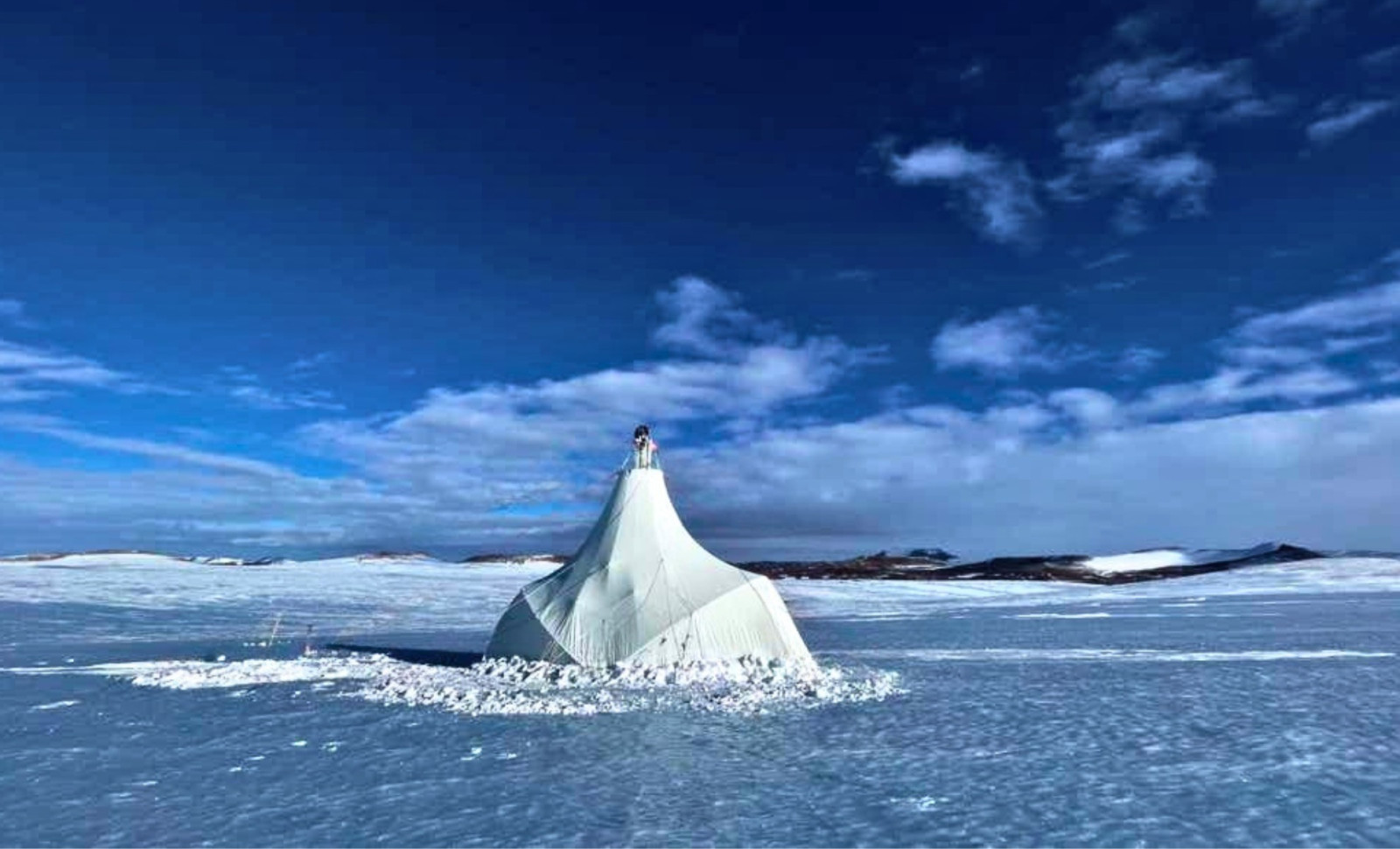
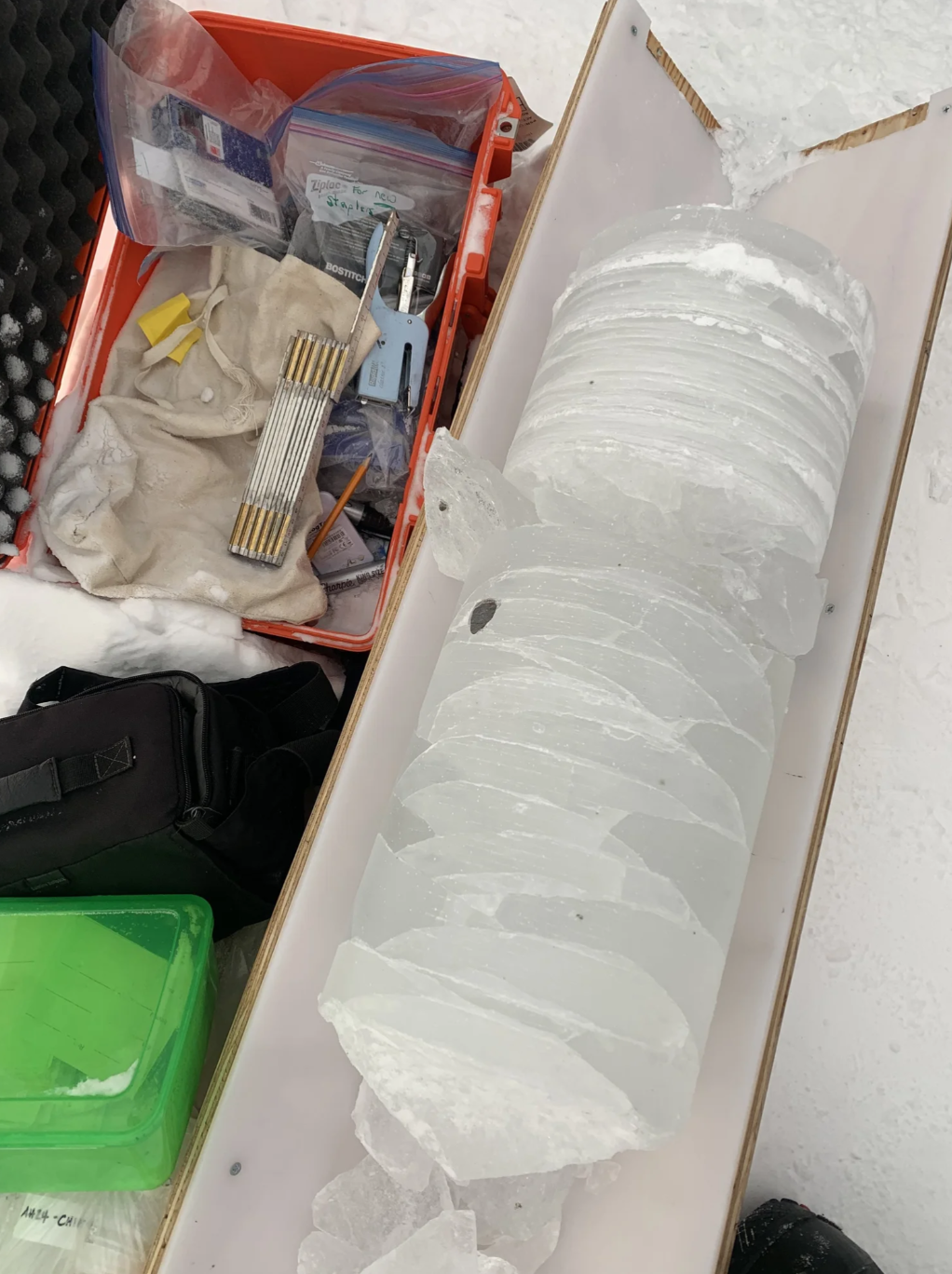
Air bubbles preserved within Antarctic ice dating back 3 million years have provided scientists with an unprecedented glimpse into Earth’s primordial atmosphere, revealing surprising results that question longstanding theories. Despite significant global cooling during this era, greenhouse gas concentrations showed minimal variation, according to findings published in Nature from two separate studies.
This breakthrough investigation was conducted by the U.S. National Science Foundation’s Center for Oldest Ice Exploration, known as COLDEX. Their research indicates that carbon dioxide levels hovered around 250 parts per million nearly 2.7 million years ago and declined only slightly over the subsequent million years. During this period of steady greenhouse gas levels, average ocean temperatures decreased by up to 2.5 degrees Celsius, while vast ice sheets expanded over the Northern Hemisphere.
“These extended datasets are reshaping our understanding of Earth’s climate history and raising fascinating questions about how far back ice core data can reliably take us,” commented Ed Brook, COLDEX’s director and a paleoclimatologist at Oregon State University.

The Quest to Unlock Earth’s Oldest Ice
For over a century, researchers have known that Earth experienced much warmer conditions about 3 million years ago during the late Pliocene epoch. Evidence such as fossilized temperate forests found in Alaska and Greenland, along with ancient coastline markers stretching from Georgia to Virginia, indicate sea levels were far higher than they are today. However, the reasons behind the dramatic transition to a cooler climate remained unclear, complicated by the fact that previous continuous ice core records only reached back around 800,000 years.
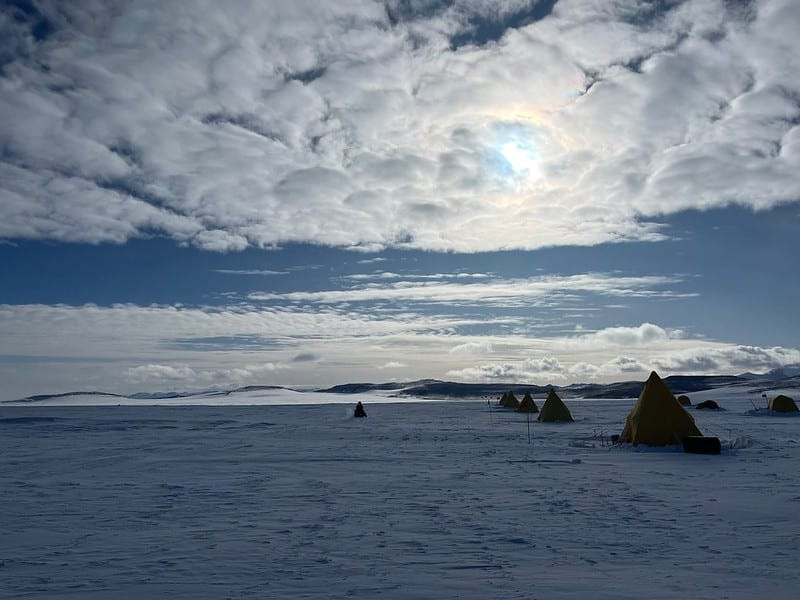
Focusing on the Allan Hills, a windswept zone at the edge of East Antarctica’s ice sheet where glacial movement exposes ancient ice, the COLDEX team obtained valuable samples, as detailed by Oregon State University.
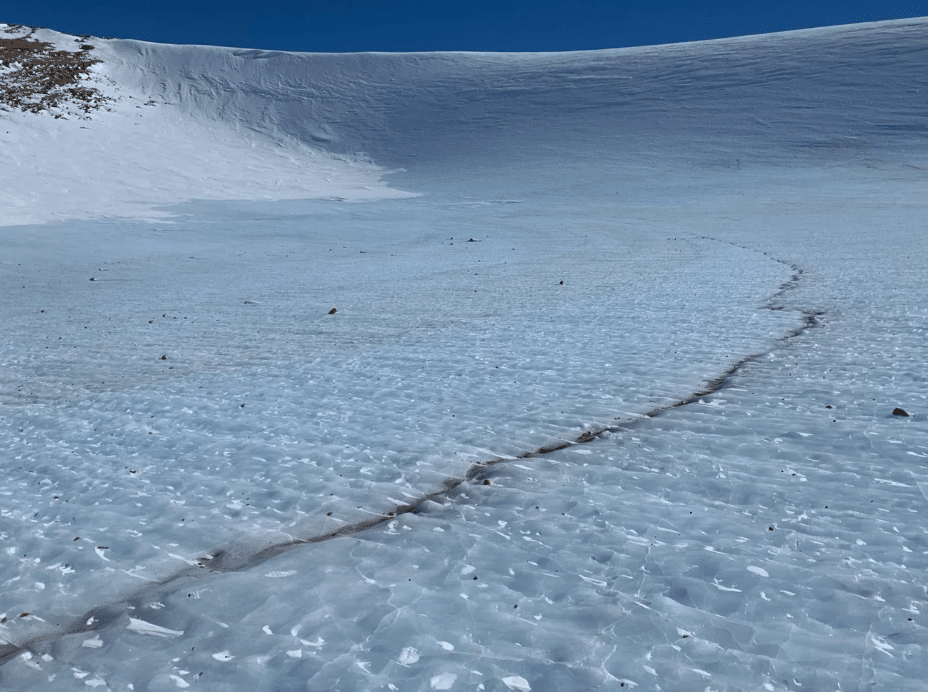
In this blue ice area, the typical layer-by-layer time sequence is disrupted, creating a patchwork of climate snapshots from various moments in the past. Using these fragmented glimpses, the research teams succeeded in extending direct atmospheric records to an unprecedented age.
Insights Gained from Trapped Ancient Air
Julia Marks-Peterson, a doctoral researcher at Oregon State University, spearheaded efforts to retrieve direct measurements of carbon dioxide and methane covering a 3-million-year span. The findings revealed that carbon dioxide concentrations remained consistently below 300 parts per million. Approximately 2.7 million years ago, CO₂ levels were about 250 parts per million, decreasing by approximately 20 parts per million by one million years ago. Meanwhile, methane levels stayed stable at around 500 parts per billion.
These values are significantly lower than some previous proxies that estimated Pliocene CO₂ at about 400 parts per million. The complex deformation within the ice means that these trapped gases represent time-averaged values spanning glacial cycles, a factor acknowledged by the researchers. Nonetheless, these direct measurements provide a more robust view of ancient atmospheric conditions compared to proxy-based estimates, as explained in their Nature publication.
For comparison, the National Oceanic and Atmospheric Administration noted that carbon dioxide levels averaged 425 parts per million in 2025, with methane reaching 1,935 parts per billion that same year.
Ocean Cooling Occurred Despite Stable Greenhouse Gases
The second study, conducted by Sarah Shackleton during her postdoctoral tenure at Princeton University and now serving at Woods Hole Oceanographic Institution, utilized noble gases trapped in the ice to estimate past global ocean temperatures. Because xenon and krypton dissolve in seawater in temperature-dependent ways, they provide a global temperature signal beyond localized measurements.
“Analyzing noble gases in ice furnishes a distinct perspective on ocean temperature fluctuations,” Shackleton explained. “Whereas other methods yield data from specific sites, this approach reflects a global average.”
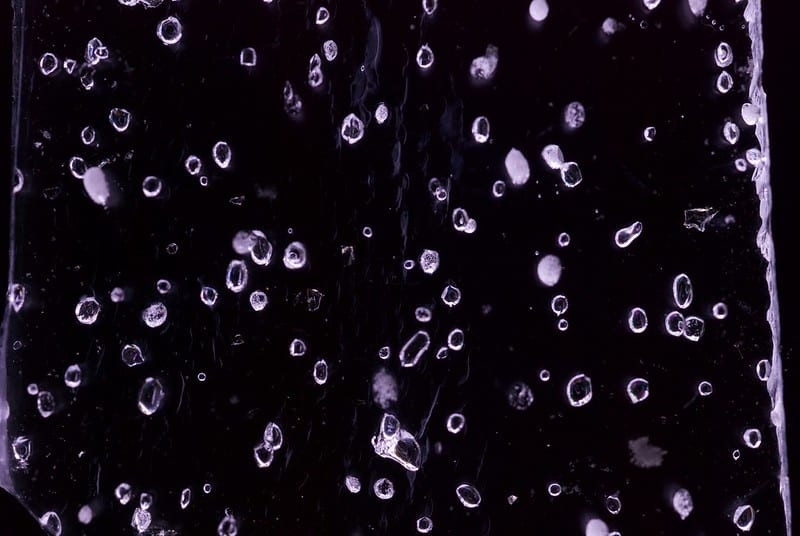
The reconstruction indicates ocean temperatures dropped between 2 and 2.5 degrees Celsius over the last 3 million years. Notably, deep ocean cooling commenced around 3 million years ago and lasted about a million years, coinciding with the growth of Northern Hemisphere ice sheets. In contrast, surface waters cooled more gradually, with significant drops occurring near one million years ago. This delay points to the critical role of ocean circulation and heat distribution in influencing climate independently from greenhouse gas variations.
Non-Greenhouse Factors Shaped Ancient Climate Shifts
The combination of steady greenhouse gas levels and global cooling suggests other elements influenced climate dynamics. Changes in Earth’s reflectivity, or albedo, likely increased due to expanding ice and changing vegetation coverage. Additionally, the discrepancy between surface and deep ocean temperature trends highlights the importance of oceanic heat transport in shaping past climates.
These revelations deepen our understanding of climate change, emphasizing that although greenhouse gases drive today’s rapid warming, Earth’s climate system has natural mechanisms capable of cooling the planet even under stable greenhouse gas conditions.
ScienceAlert covered the research, noting that ice sheet growth may have been highly responsive to minor fluctuations in carbon dioxide or influenced by other unknown climate drivers. Marks-Peterson concluded, “We hope this research refines how we interpret warmer past climates and improves comprehension of Earth system interactions.”
New Evidences May Extend Ice Records to 6 Million Years
The COLDEX project has identified ice at the base of a core potentially dating back 6 million years, with drilling campaigns ongoing. Researchers are enhancing methods to reconstruct atmospheric CO₂ and investigating how ancient ice endures deep burial and deformation. They continue to assess these older samples and scout for sites that could extend climate records even further.
Extending these archives would allow scientists to study epochs warmer than the late Pliocene, offering unprecedented insights into Earth’s climate feedbacks and responses. The National Science Foundation’s Office of Polar Programs funds this collaborative effort involving universities and research institutions nationwide.
The Allan Hills ice cores have already redefined the timeframe for direct climate data, and future analyses of deeper layers may push the record back to the Miocene era.
- Categories:
- Science






0 comments
Sign in to Comment