
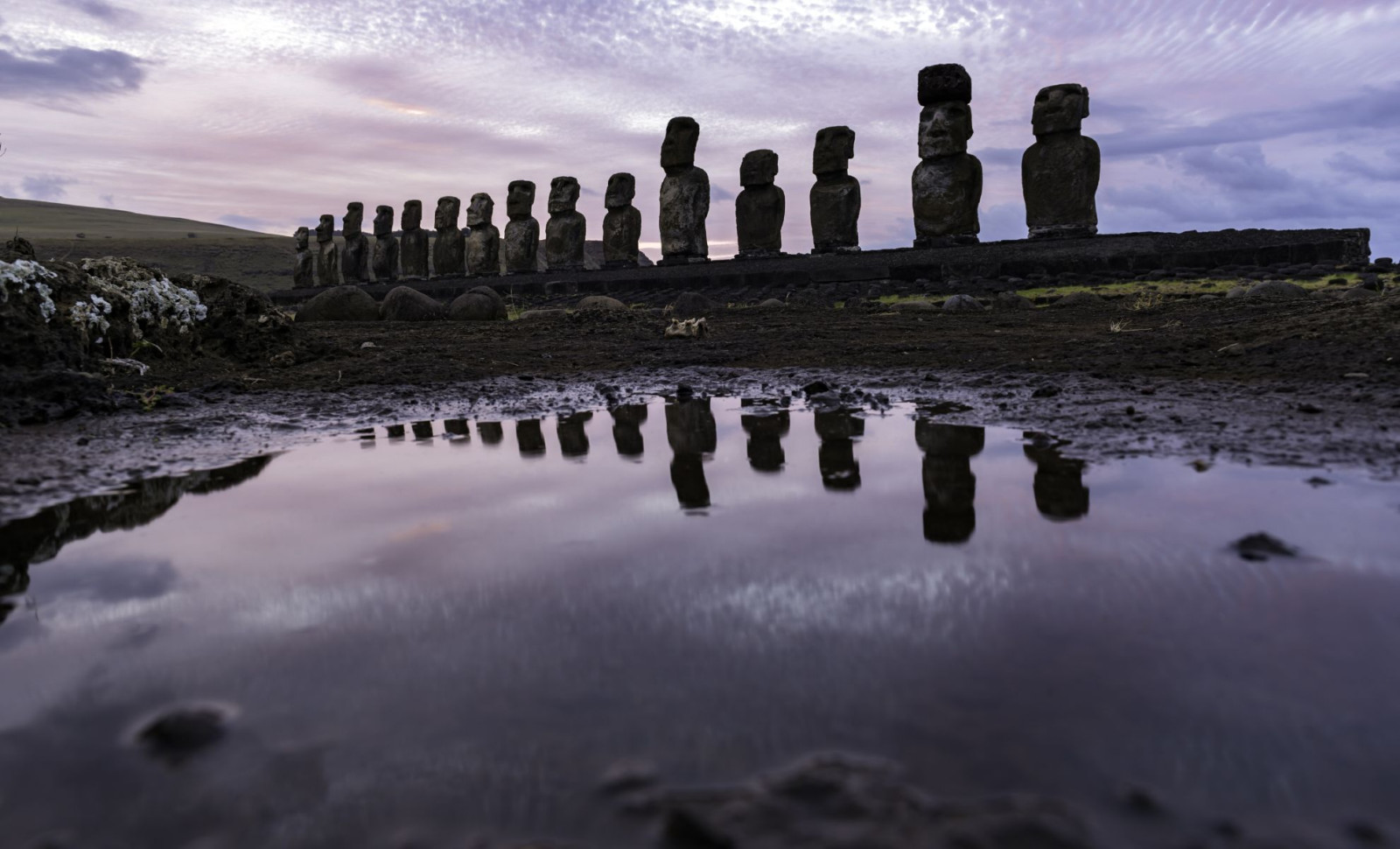
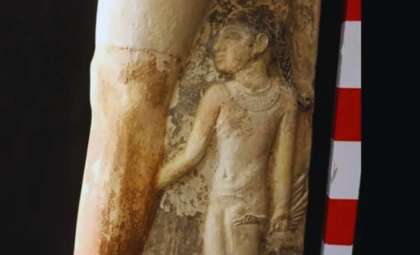
Researchers have stumbled upon a previously unknown moai statue resting beneath the dried-up surface of a lake on Rapa Nui, shaking the belief that all of the island’s famous statues had been identified. Over 1,000 moai have been catalogued across Easter Island, primarily carved from volcanic tuff, a type of stone formed by compressed volcanic ash. Until now, experts considered the archaeological inventory nearly exhaustive.
This newfound sculpture disrupts that narrative. Found in what used to be a lakebed, this discovery introduces a surprising new element to the ongoing exploration of the massive statues built by the Rapa Nui civilization.
Discovery in a Former Lake Basin
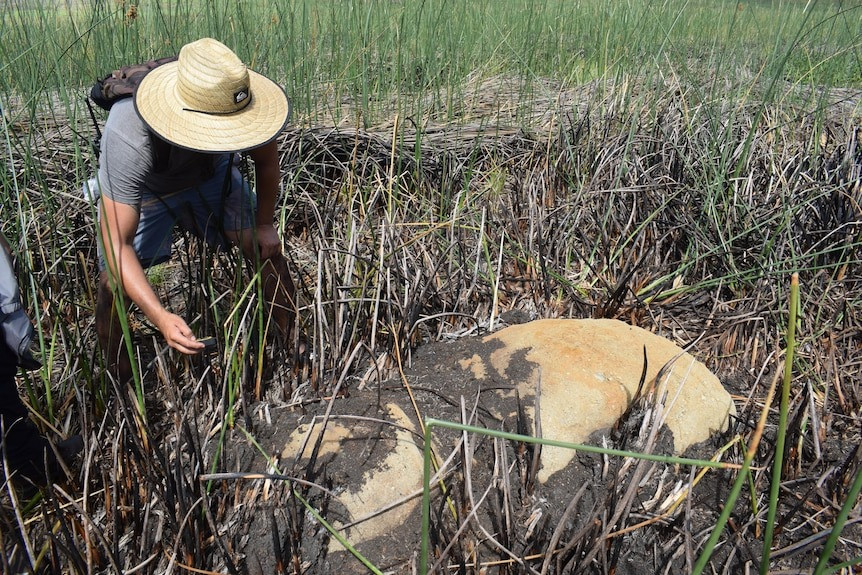
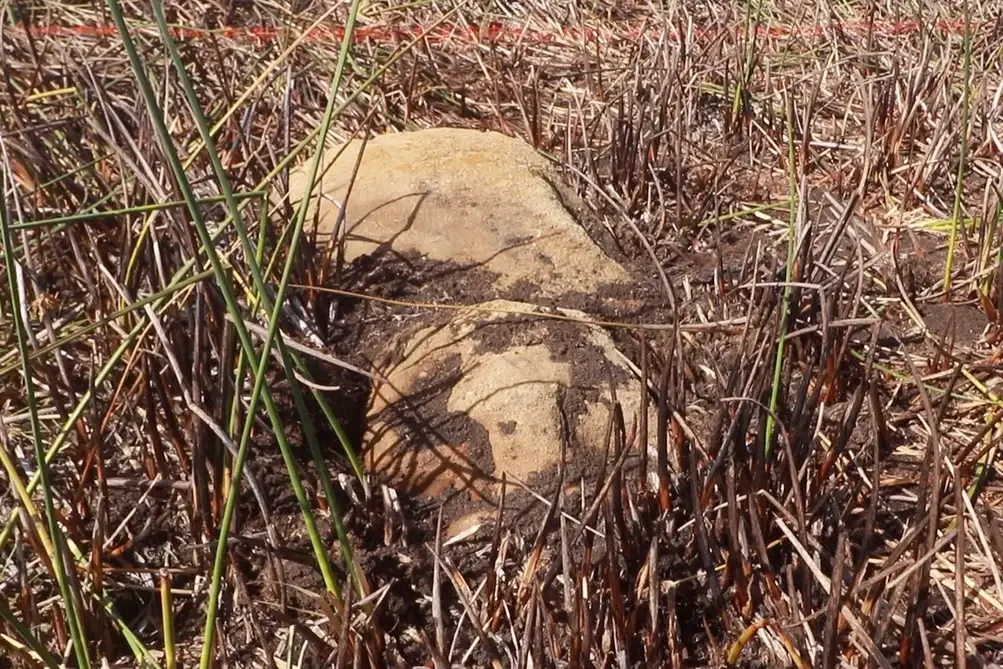
The statue was uncovered in the dry bed of a lake situated close to a quarry where moai were once carved. As reported by Good Morning America, archaeologist Terry Hunt from the University of Arizona emphasized how exceptional this finding is.

“We think we know all the moai, but then a new one turns up, a new discovery, and in this case, in the lake, at the statue quarry,” Hunt said, as reported by GMA. He added that no moai had ever been found “in the dry bed or in what was previously a lake,” calling it a first.
Current Drought Reveals Hidden Artifacts
This recent discovery was possible due to prolonged dry conditions that lowered the lake’s water level, exposing its floor. The area had long been covered with dense reeds that concealed what lay beneath. Hunt also mentioned that employing ground-penetrating technology might help locate additional statues buried within the sediment.
“Under the dry conditions that we have now, we may find more,” he also noted, “When there’s one moai in the lake, there’s probably more.”
This current environmental situation has thus unveiled parts of the landscape previously hidden from view.
One of the Smallest Statues Yet Found
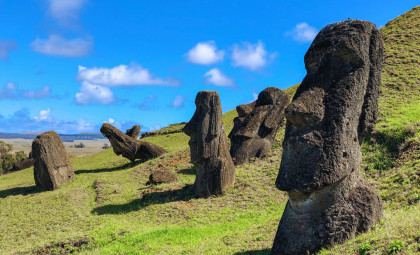
This newly found monolithic figure is among the smallest moai identified on the island. While some giants reach up to 32 feet tall and weigh as much as 86 tons, the majority of moai are roughly half that size.
Approximately 95 percent of the moai are carved from volcanic tuff, with a minority made from basalt. Each statue was sculpted to represent specific individuals, often tribe leaders or chiefs. Typically, the figures’ eyes were added only after they were installed at their designated locations.
The revelation also took local officials by surprise. Salvador Atan Hito, vice president of Ma’u Henua—the group managing the national park on Rapa Nui—noted that the statue was unknown even to the island’s own community heritage.
“For the Rapa Nui people, it’s [a] very, very important discovery,” he said, ” Because it’s here in the lake and nobody knows this exists, even the ancestors, our grandparents don’t know [about] that one.”
- Categories:
- Science



0 comments
Sign in to Comment