

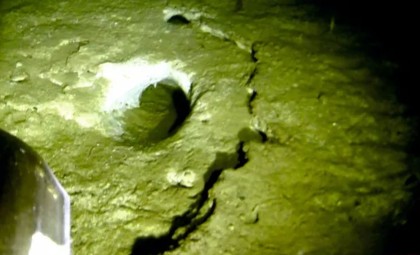
Researchers have uncovered a statue over 3,000 years old submerged in Lake Bolsena, located in central Italy. Remarkably, visible human fingerprints remain preserved on this ancient artifact, which dates back to the early Iron Age.
The figure was found at the underwater archaeological site known as Gran Carro di Bolsena, near the village of Aiola, an area famed for both its volcanic springs and significant historical findings. Although initially overlooked, this site has gained importance since its recognition in the 1990s, revealing remnants of an ancient village built on stilts beneath the lake’s surface.
Incomplete Sculpture Offers Insight into Ancient Craftsmanship
According to a translated message from Italy's Ministry of Cultural Heritage, the artifact is a small, unfinished female figure located in what was once a residential zone of the lakeside settlement. The most striking feature is the preserved fingerprints embedded in the clay, revealing the personal touch of the creator from over three millennia ago.

“This is an exceptional find, a unicum at the moment from this important archaeological context that is giving us back aspects of daily life of the early Iron Age (late 10th century BCE-early 9th century BCE) still little known in southern Etruria,” we can read in the Facebook post.
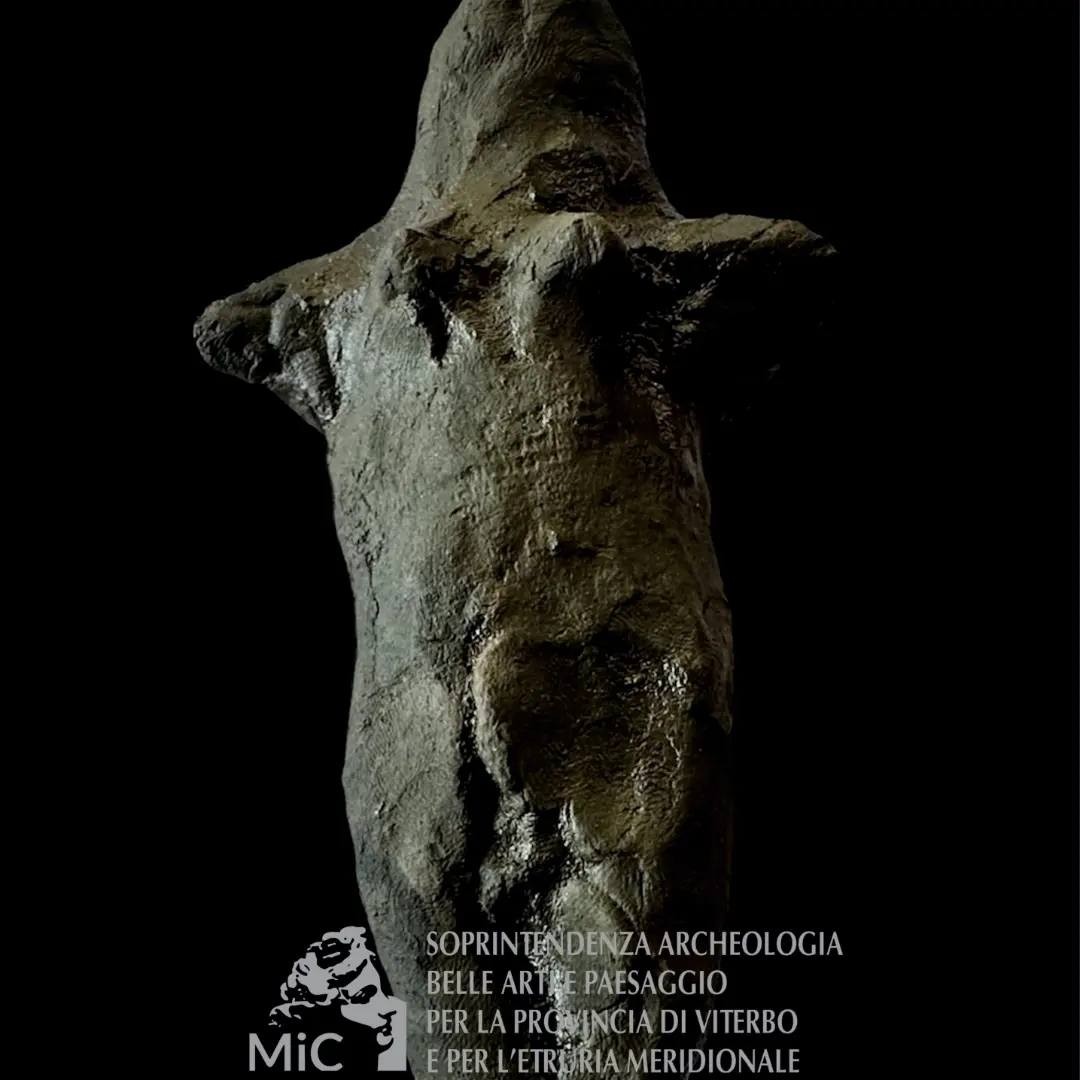
The figurine also reveals the impression of fabric across its chest, which indicates it might have been clothed or adorned before being left behind. Distinct from typical burial artifacts, its unique style raises questions about the use of ceremonial objects in daily domestic environments during that era.
Lake Bolsena Emerges as a Key Archaeological Site
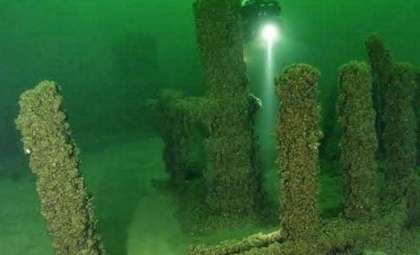
Gran Carro di Bolsena was relatively unknown until 1991 when experts connected underwater formations to human habitation. Popular Mechanics detailed that researchers discovered wooden poles, ceramic fragments, and stone piles linked to hot geothermal springs — some reaching temperatures of 40 °C — potentially aiding the site’s excellent preservation.
Further research in 2020 identified an earthen mound under the stones, strengthening the hypothesis that this was once an Iron Age stilt village. Findings of both Iron Age objects and Roman coins suggest continuous occupation that might have extended through the late Roman period.
New Findings Enrich Understanding of Aiola Settlement
Though the figurine appears roughly made, its discovery brings fresh perspectives on daily existence at Aiola. Its presence in a residential sector implies the community may have had spiritual or ritualistic practices beyond public or funerary contexts.
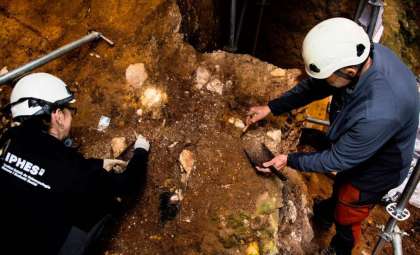
This excavation was completed by specialists from the Underwater Archaeology Service, paired with the Italian Cultural Property Restoration group and government diving teams. Their ongoing efforts indicate the lake may hold further submerged settlements awaiting discovery, although no definite forecasts have been made yet.
- Categories:
- Science




0 comments
Sign in to Comment