
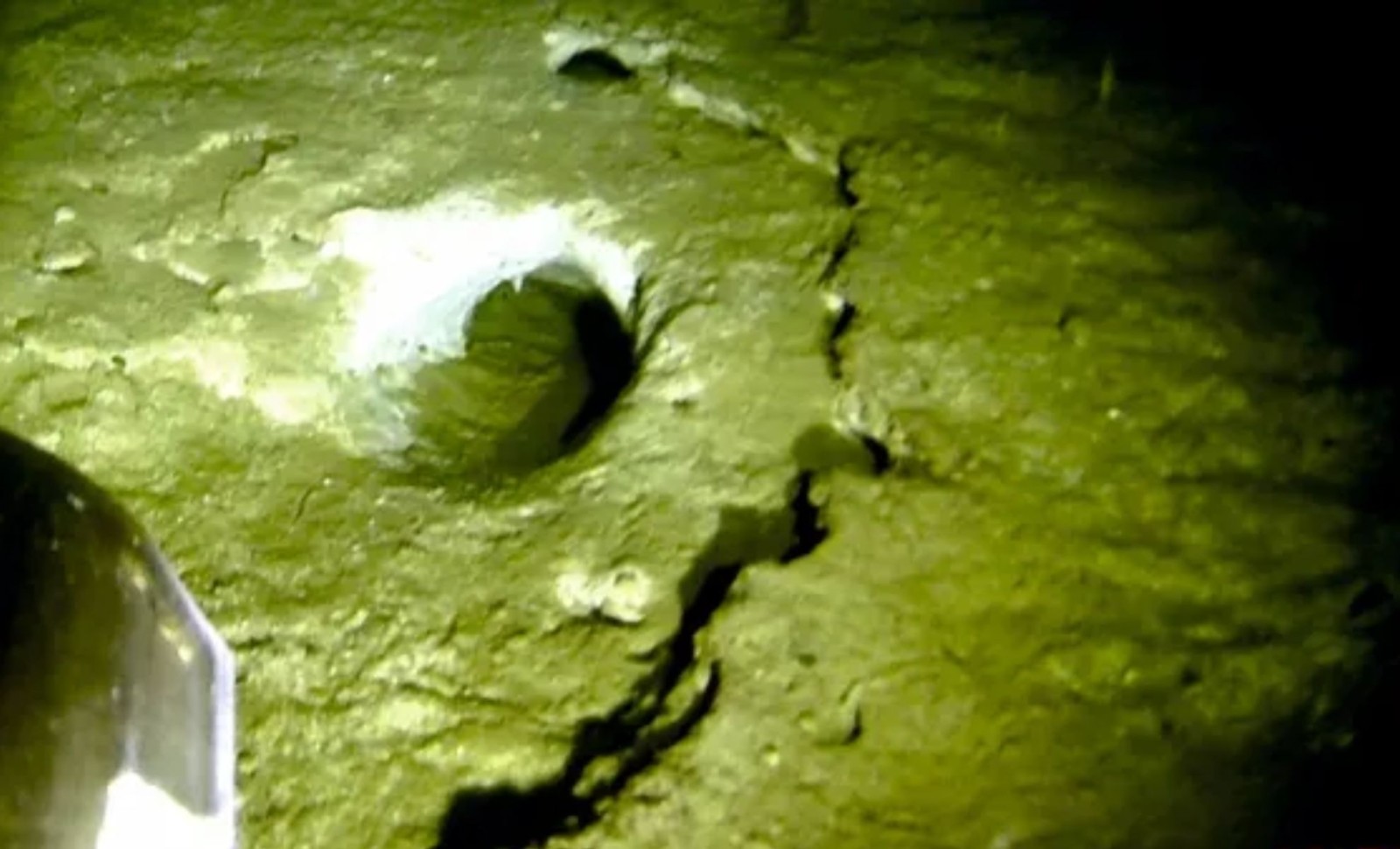
A robotic underwater explorer has identified surprising geological formations beneath Siberia’s Lake Baikal, uncovering previously unseen mud volcanoes at depths reaching 540 feet. Positioned near a potentially active fault line, these features may signal ongoing tectonic activity in the area.
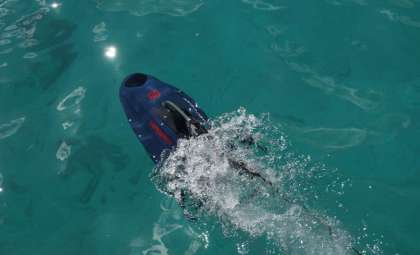
During the summer of 2023, scientists utilized an autonomous underwater vehicle (AUV) to investigate the lake’s mysterious underwater environment. This advanced device captured remarkable footage showcasing mud volcanoes and fissures on the lakebed, delivering fresh perspectives on the lake’s intricate geological dynamics.
Discovery of Mud Volcanoes in Lake Baikal
Lake Baikal holds the distinction of being the deepest and oldest freshwater lake on the planet, drawing scientific interest focused on tectonic phenomena. The latest video from an autonomous underwater vehicle (AUV) has revealed active mud volcanoes in the lake’s northwest sector, notably in Goryachinskaya Bay and Malaya Kosa Bay.

These volcanoes, occurring at depths between 340 and 540 feet (100 to 165 meters), represent a newly recognized zone of geological activity. The AUV’s cameras documented striking images of fractures and distortions in the lakebed, highlighting marks left by recent mud expulsion events. As structural geologist Oksana Lunina explains:
“In the North Baikal depression, which is limited by this fault, there have been strong earthquakes in the past.” Eruptions of gas and mud push up through cracks in the Earth’s crust, forming craters on the lakebed.
Active Tectonic Processes
The mud volcanoes located in Goryachinskaya Bay and Malaya Kosa Bay are of interest due to their closeness to the Severobaikalsk fault. At the northernmost location, researchers identified craters reaching depths of 430 feet (130 meters) filled with mud, suggesting recent eruptions. These emissions of mud and gas-laden fluids imply that the fault beneath the lake remains geologically active.
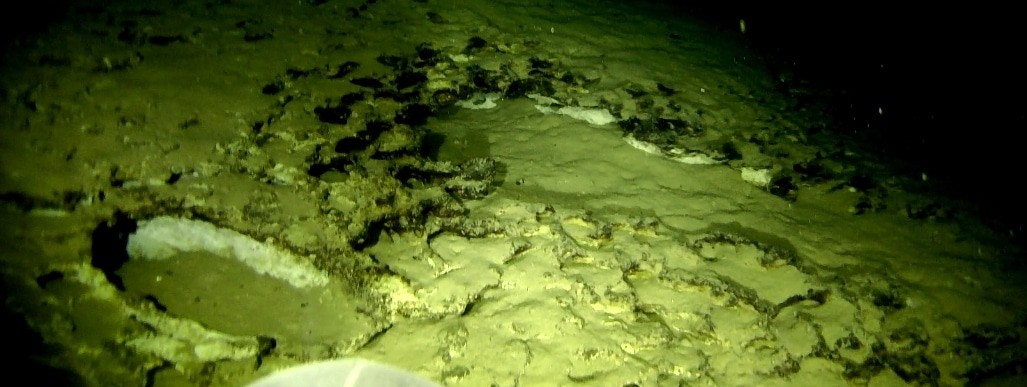
At even greater depths, the AUV discovered numerous small, cone-shaped depressions approximately 525 feet (160 meters) below the surface in Goryachinskaya Bay. These clustered features are surrounded by brittle, deformed sediment, confirming ongoing geological movement. The eruptions also support a diverse aquatic ecosystem.
Small amphipods and gastropods were seen inhabiting the crater environs, while white sponges grew on adjacent solid surfaces, illustrating the rich biodiversity sustained by these underwater formations.
Role of Gas Hydrates in Driving Lake Baikal's Geological Activity
A study published in April 2019 in Marine and Petroleum Geology highlights that the mud volcanoes in Lake Baikal are often powered by gas hydrates—ice-like crystal structures formed by water and gas under high pressure within the lakebed. These hydrates may destabilize as a result of tectonic shifts, including earthquake activity along fault lines.
“Usually, the bottom of Lake Baikal near the shores is composed of boulders and pebbles, while deeper down it consists of silt deposits. Here, we uncovered porous clays, different from those found at the usual bottom,” explained Oksana Lunina in a statement.
Although these geological events might seem hazardous, Lunina emphasizes that they do not pose a threat to the lake’s ecosystems. In fact, these eruptions play an integral role in sustaining the unique biological communities around the mud volcanoes.
“It is necessary to study mud volcanoes. They indicate cracks parallel to the Severobaikal fault. This is proof that this fault is active, that it is alive. The Severobaikal depression, bounded by this fault, has experienced strong earthquakes in the past, judging by the seismogenic ruptures along the shores of Lake Baikal,” she said.
- Categories:
- Science

0 comments
Sign in to Comment